Showing posts with label ingredient swap outs. Show all posts

Saturday, May 20, 2023

Keto Dairy Milk

Keto Dairy Milk

I love the taste of real dairy milk with a homemade keto cookie or slice of sugar free cake. I find the low carb, nut milk alternatives are just not appealing or satisfying for drinking. In the past, I have purchased and enjoyed some keto milk, but every company that has tried to introduce keto milk on the market has failed and quickly discontinue it. Regular cow’s milk is not an option, due to its high carb and sugar content (12g per cup). Fairlife brand is a lower carb option (6g per cup), but that’s still too high for me to drink by the glassful. So I decided I’d better try making my own low carb, real dairy milk and, after some experimentation, this recipe is the winner! It has enough real dairy in it to give it the taste of real milk, but without the carbs!! It’s a good source of calcium and great for drinking and cooking!

Keto Dairy Milk
Makes 1 pint (2 servings)

1 cup unsweetened nut milk of choice (I used homemade macadamia nut milk)
1/4 cup water
1/4 cup heavy cream
½ cup Fairlife brand Whole Milk
A tiny pinch of salt
1-2 drops vanilla extract
1-2 drops monkfruit extract or stevia

Mix all of the ingredients together and stir to combine. Refrigerate in a glass container for up to a week. (This recipe can be doubled to make a quart.)

Fairlife Whole Milk

Nutritional Information per 1 cup: 166 calories, 2.1 g carbohydrate (0.3 g dietary fiber, 1.7 g sugars), 15 g total fat (8.7 g saturated fat, 0 g trans fat), 48 mg cholesterol, 70 mg sodium, 103.4 mg calcium, 15 mg potassium, 158 IU Vit A, 3.6 g protein. Net carbs per serving: 1.8 grams

Recipe and photos by Kathy Sheehan, copyright 2023
All rights reserved. Please do not duplicate without the author’s permission.

Saturday, August 8, 2020

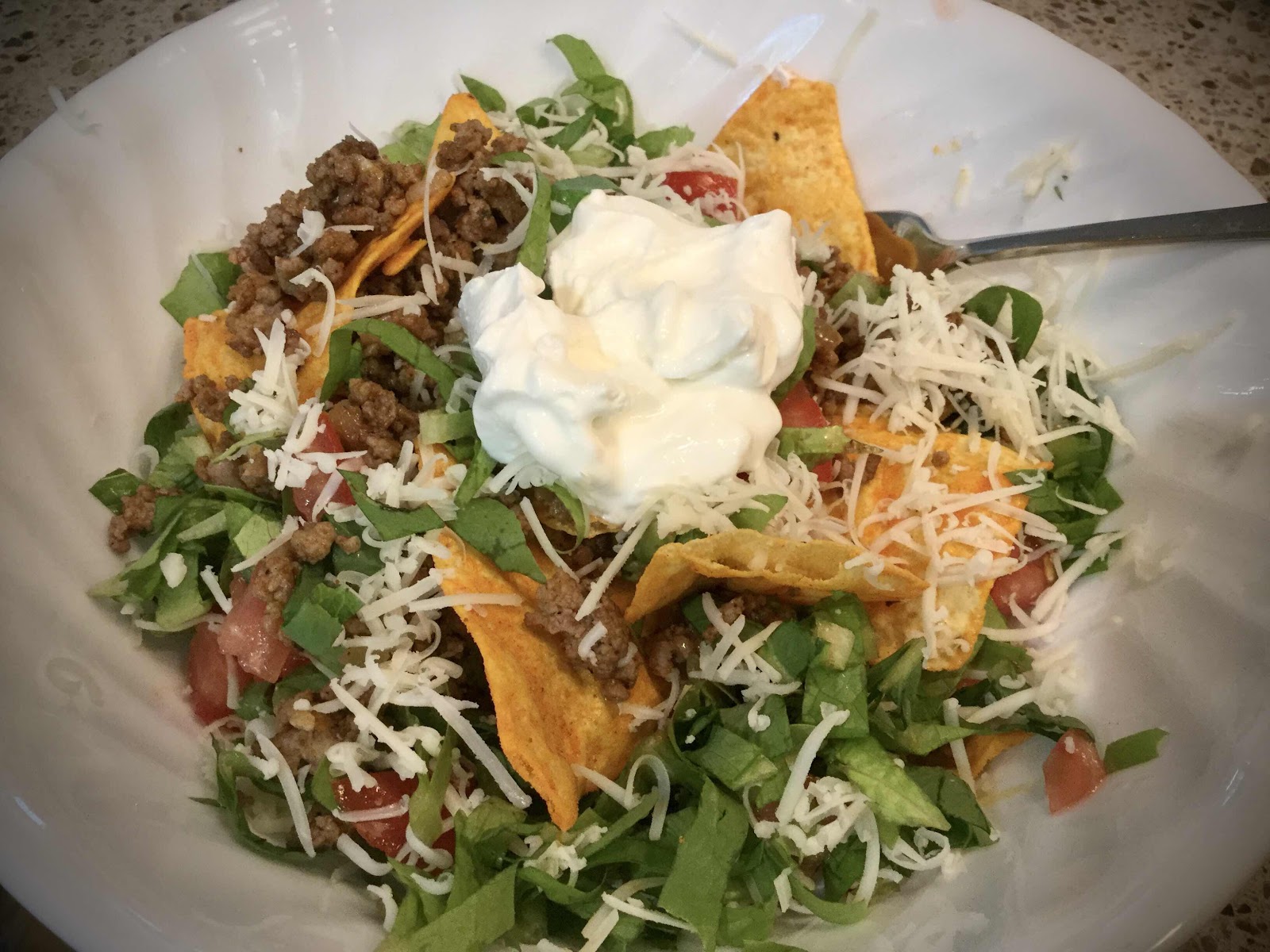
Taco Salad with Quest Protein Chips

Taco Salad with Quest Protein Chips
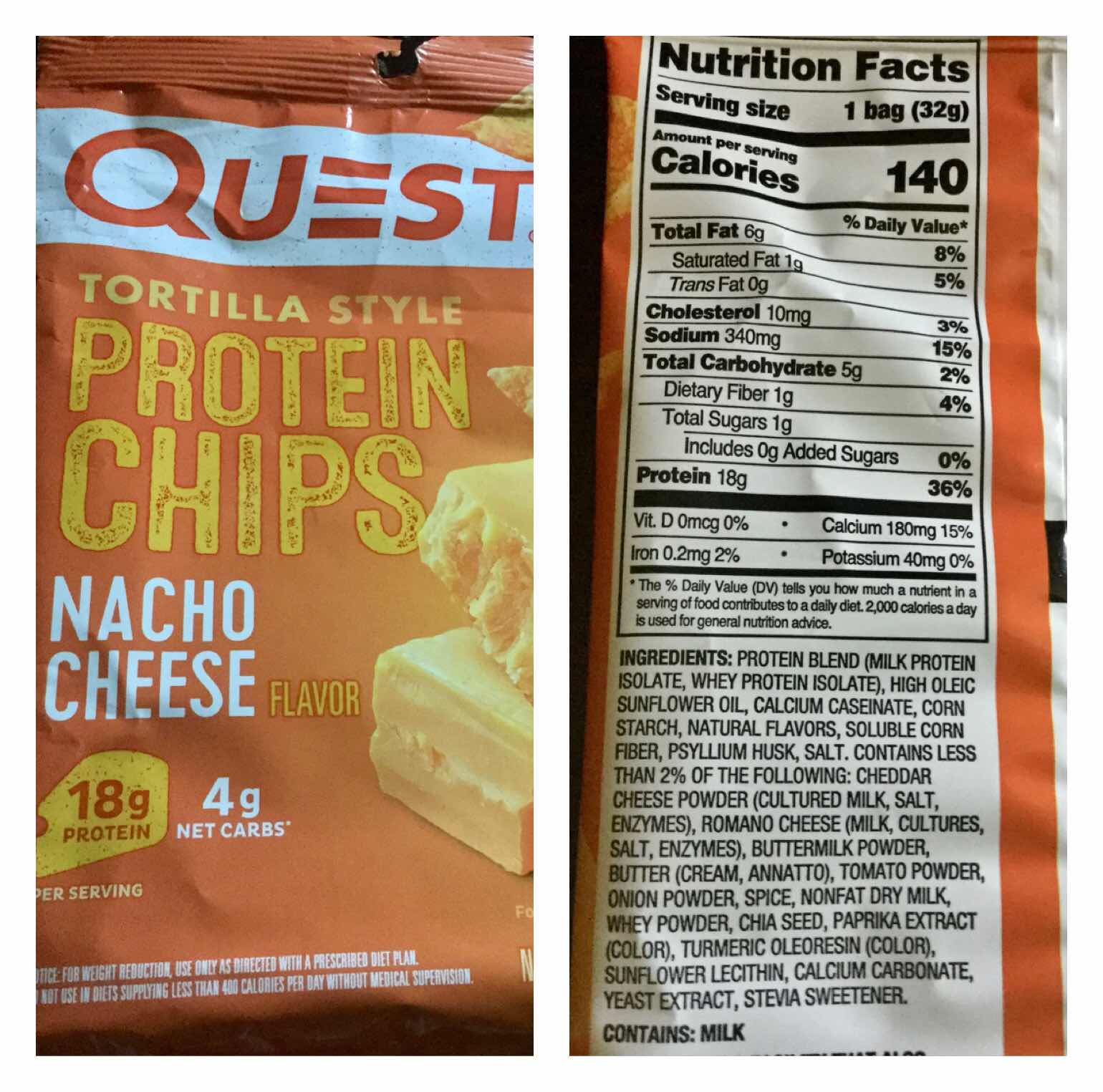
Here’s an easy dinner that is entirely satisfying and tastes just like a higher carb version. The secret is to use Quest Protein Tortilla-Style Chips in place of corn tortilla chips (I chose Nacho Cheese flavor, but you can substitute your favorite). This delicious salad has become a hands-down favorite on my keto diet, especially when I don’t feel like cooking!

Taco Salad with Quest Protein Chips
Makes 1 serving

3 oz. ground beef
1-2 teaspoons taco seasoning, to taste
1 tablespoon water
1 tablespoon chopped onion
1 bag Quest Protein Tortilla-style Chips, Nacho Cheese (see image below)
1 cup lettuce, torn into bite-size pieces
1/4 cup chopped tomato
1/2 oz. shredded cheddar cheese
2 tablespoons sour cream

1. In a skillet over medium heat, brown the ground beef. Add the taco seasoning to taste. Add the water and chopped onion; stir to combine.

2. Pour the entire bag of Quest Protein chips into a large serving bowl. Top with the seasoned beef, lettuce, chopped tomato and shredded cheese. Dollop with sour cream and serve.

Quest Protein Chips
Nutritional Information: 445 calories, 9.6 g carbohydrates (2.2 g dietary fiber, 2.9 g sugars), 28.5 g total fat (12.2 g saturated fat, 0 g trans fat), 93 mg cholesterol, 498 mg sodium, 335 mg calcium, 505 mg potassium, 2 mg iron, 614 ug Vit A, 12 mg Vit C, 38.8 g protein. Net carbs per serving: 7.4 grams

Photos and recipe by Kathy Sheehan, copyright 2020
All rights reserved. Please do not duplicate without the author’s permission. 

Wednesday, May 27, 2020

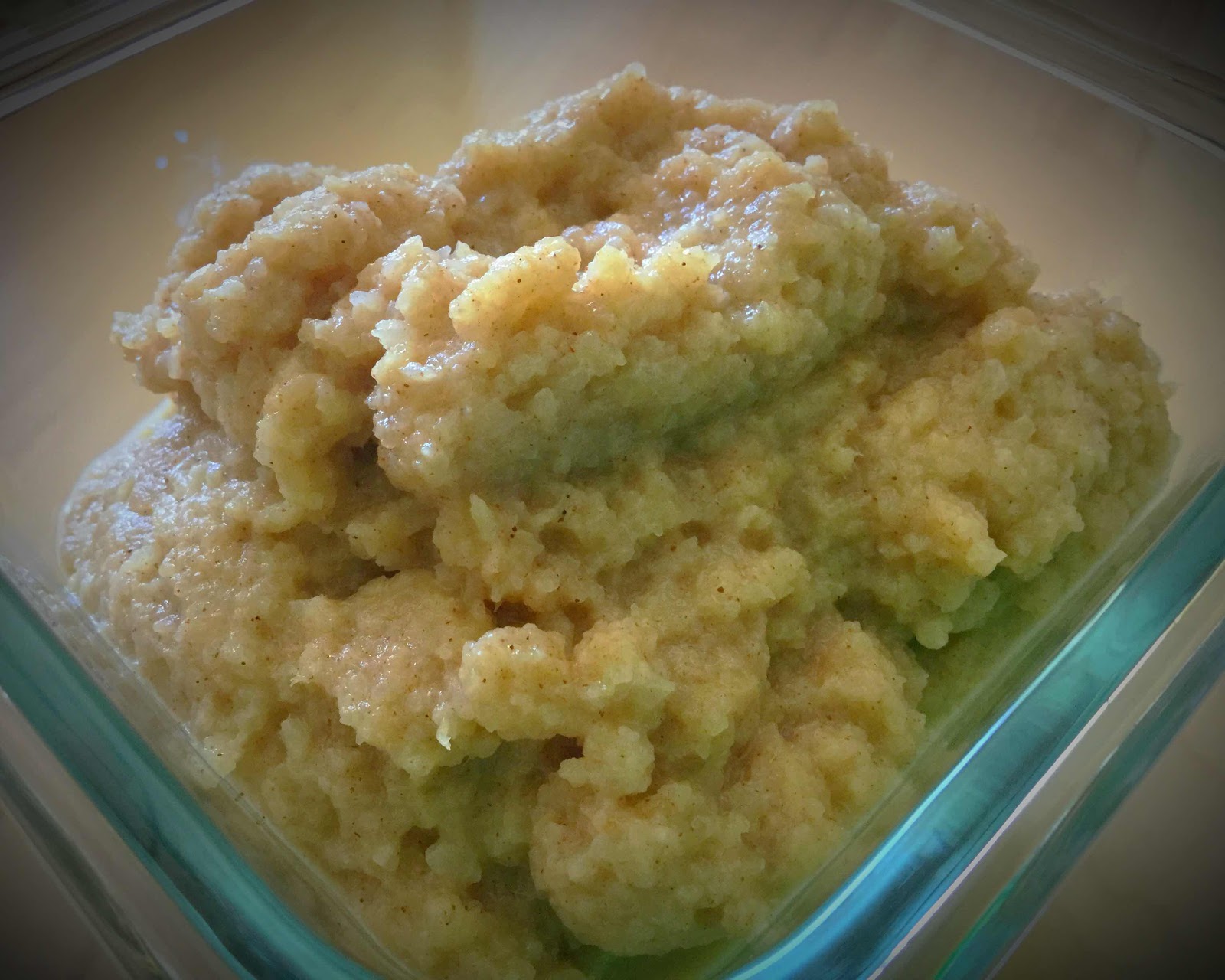
Keto Cinnamon Applesauce

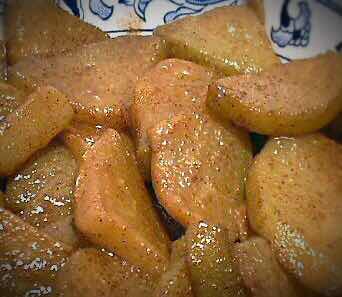
Low Carb Applesauce
I have always loved applesauce! But, sadly, it’s so high in carbs and sugar that it is completely off limits on my low carb, ketogenic diet. Ordinary applesauce that you buy in the store is 16 carbs for a 1/3 cup serving, all of which is sugar! (That equals 4 teaspoons of sugar!) This “applesauce,” made with chayote squash, tastes just like the real thing and has only 5 carbs per serving (3 net carbs) and is a good source of calcium and potassium! Honestly, you and your kids will not be able to tell the difference. You can make it chunky or smooth and add as much cinnamon as you like. It can be used in recipes, enjoyed over low carb ice cream, in yogurt or eaten by itself. It’s a treat you can feel good about!

Keto Cinnamon “Applesauce” (made with Chayote Squash)
Makes 3 servings

1 tablespoon butter (can be omitted for dairy free)
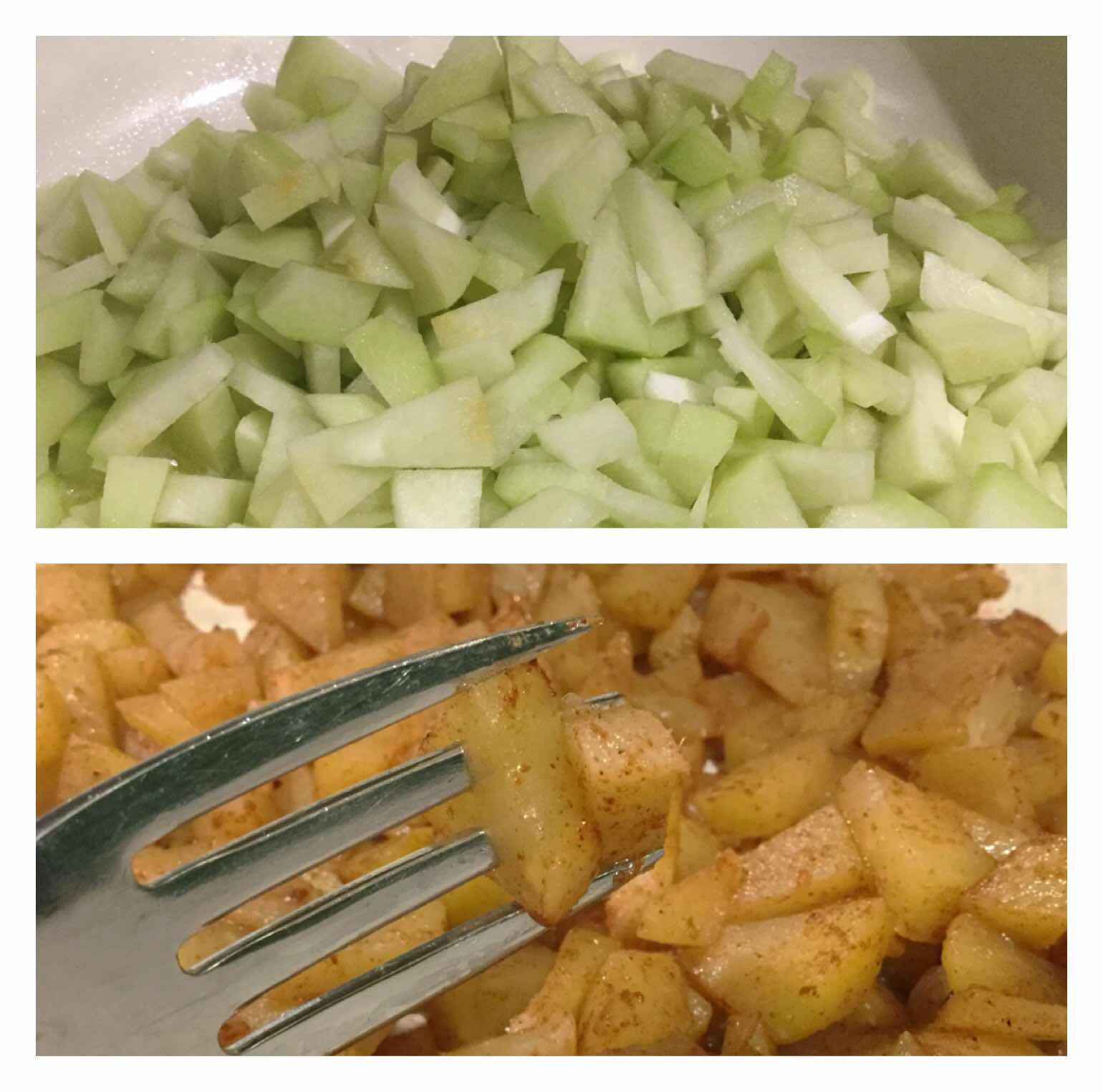
2 cups chayote squash, peeled, cored and diced fine (2-3 squash, depending on size)
1 tablespoon LaKanto Golden or other brown erythritol sweetener 
1 tablespoon granulated erythritol sweetener (or use all brown)
1 teaspoon ground cinnamon or apple pie spice
2 tablespoons lemon juice
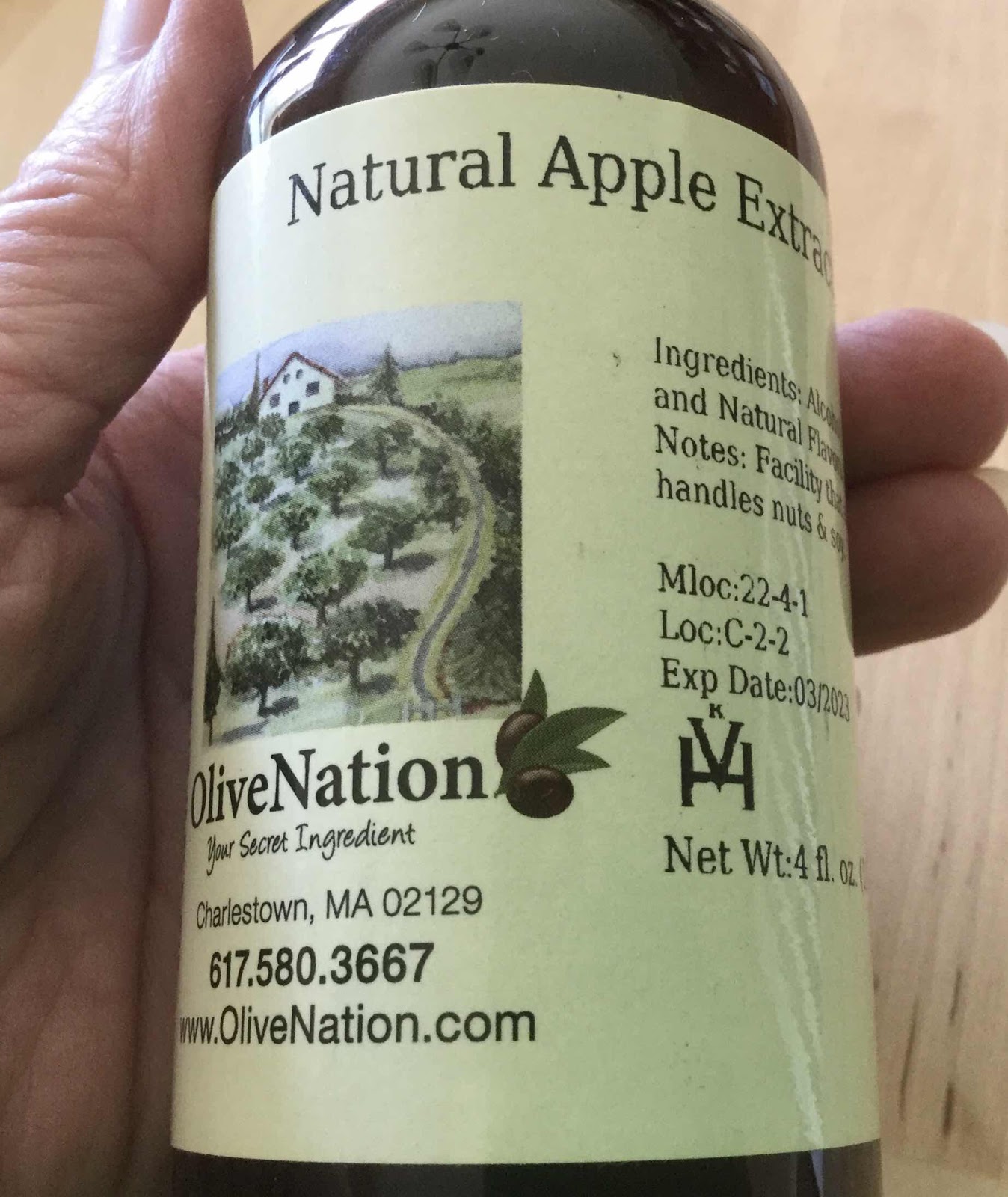
3/4 teaspoon apple extract, or to taste (see photo below)
6-8 drops monkfruit extract or stevia, to taste
3/4 cup water + 2-4 tablespoons water, divided

1. In a non-stick, 10 inch skillet, combine the butter, chayote squash, sweeteners, cinnamon or apple pie spice, lemon juice, apple extract and 3/4 cup of water. Simmer over a low heat, covered tightly, for about 35 minutes or until softened. Stir occasionally and, if the mixture is drying out, add a bit more water and continue simmering until most of the liquid has evaporated and the squash is fork tender, very soft and no longer has any crunch. Add the monkfruit extract or stevia, taste and adjust sweetness, if desired.

Cooking Chayote Squash 2. Remove from heat and allow the squash to sit covered in the warm skillet for at least 10 minutes to allow the flavors to blend. 

3. Spoon the warm “apples” into a food processor. Pulse and then process on low until finely chopped, scraping down the sides of the bowl with a spatula occasionally. Add 2-4 tablespoons of water, one tablespoon at a time, and continue to process until the sauce is smooth and has reached the consistency you desire.

4. The applesauce can be eaten immediately, warm or cold, or can be stored in an airtight container for up to a week. This recipe makes about 1 cup.

OliveNation Apple Extract
Nutritional Information per 1/3 cup: 56 calories, 5 g carbohydrates (2 g dietary fiber, 2 g sugars), 4 g total fat (2.5 g saturated fat, 0 g trans fat), 10 mg cholesterol, 29 mg sodium, 26.3 mg calcium, 129 mg potassium, 1 mg iron, 51 ug Vit A, 12 mg Vit C, 0.8 g protein. Net carbs per serving: 3 grams

Photos and recipe by Kathy Sheehan, copyright 2020
All rights reserved. Please do not duplicate without the author’s permission.

Tuesday, March 10, 2020

Low Carb Apple Pie Filling (made with Chayote Squash)

Low Carb Apple Pie Filling (made with Chayote Squash)
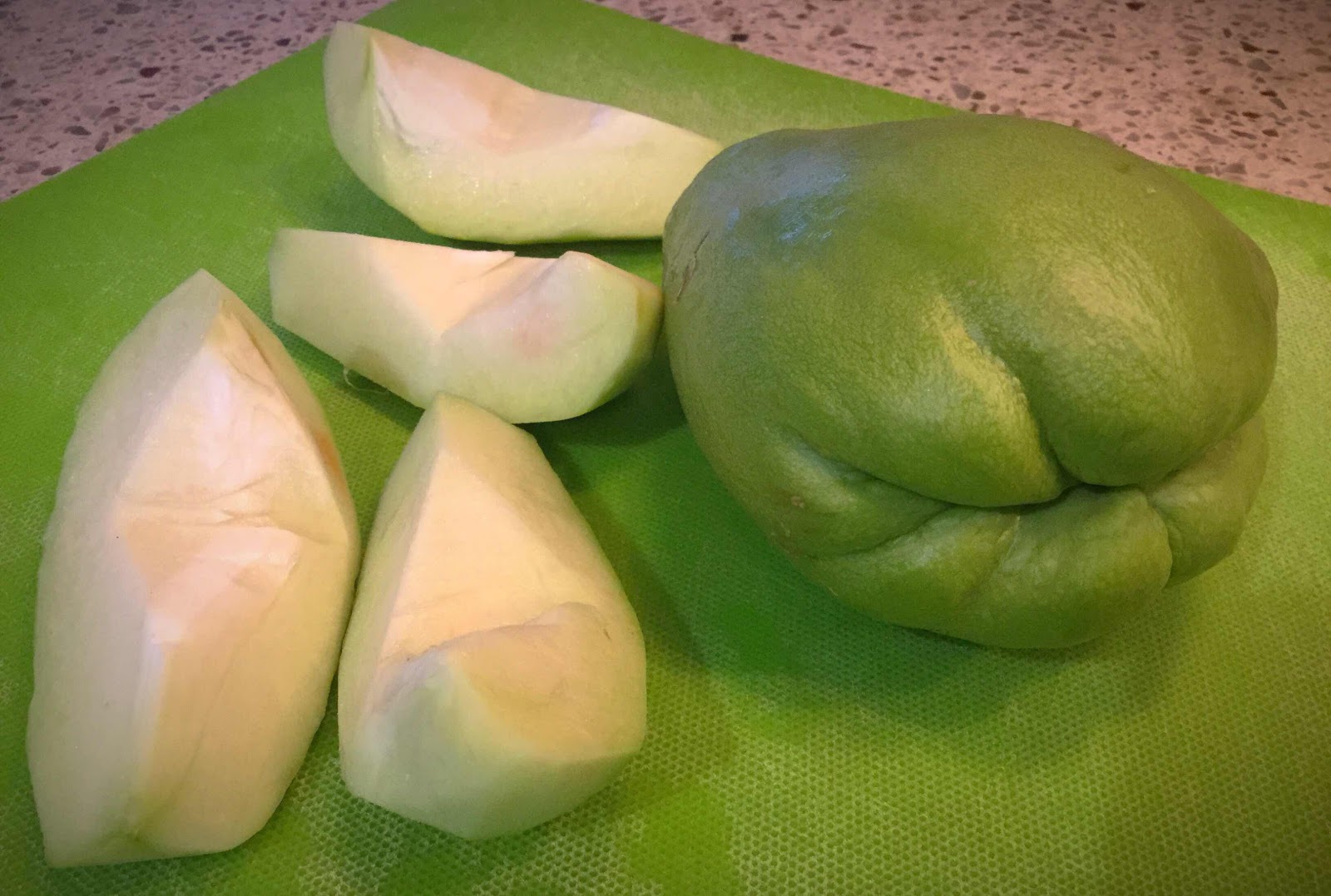
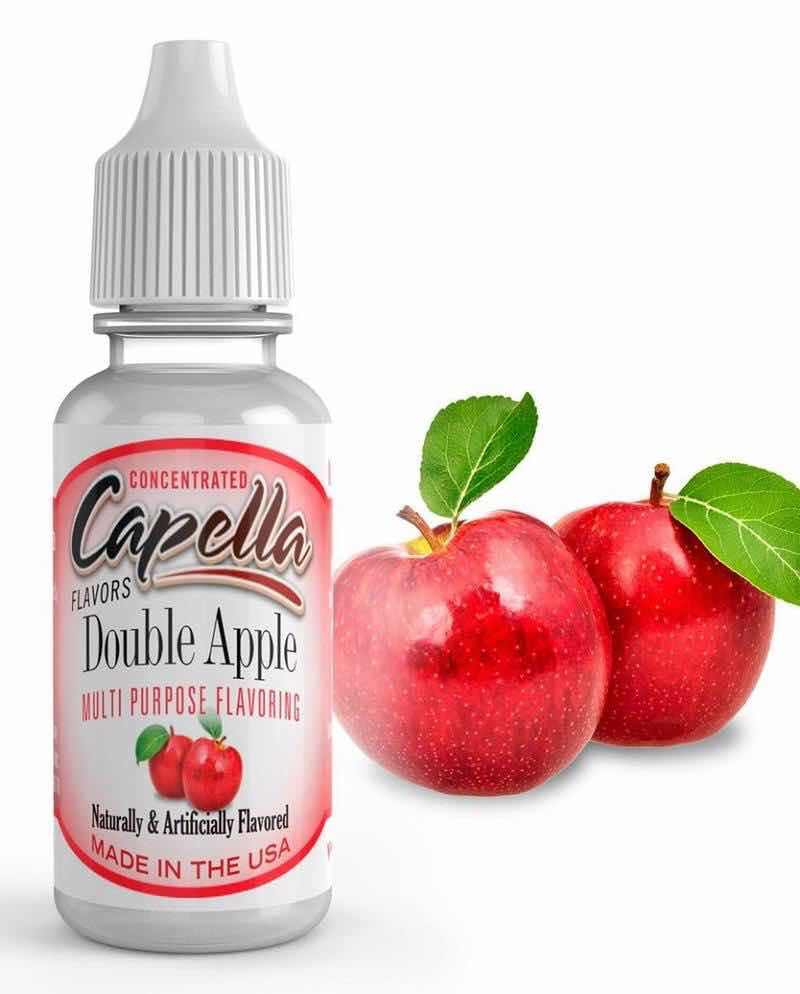
This all-purpose “apple” filling is great to use in any recipe that calls for apples, such as a pie or tart, cake, bread, pancakes, fritters or even applesauce. They are delicious on their own or served with keto ice cream. Their taste and texture is amazingly and truly like apples! Chayote squash is an almost tasteless, mild and firm squash, so it’s a perfect low carb substitute for apples. Simmered with apple pie spices, a zero-carb sweetener and lemon juice for tartness, it readily absorbs those flavors. Although it is optional, I think the addition of apple extract or flavoring is important to achieve the best apple-like flavor. I use Capella Double Apple flavoring (see photo below) and only a few drops is enough to impart a realistic “appleness” to this recipe. (You can leave it out and the recipe will still work fine, but the result may not give you the full apple punch, in my opinion.) I’m offering this basic recipe as a prelude to more “apple” recipes to come. Once you try these apples, I think you’ll be as delighted as I am to have this low carb alternative in your recipe box.

Low Carb “Apple” Pie Filling
Makes 2 cups

2 cups chayote squash, peeled, seeded and cut into thin slices (2-3 squash, depending on size)
2 tablespoons butter
2 tablespoons golden erythritol sweetener, or to taste (I use LaKanto Golden)
2 teaspoons apple pie spice blend
2 tablespoons lemon juice
1/2 teaspoon apple extract or 10 drops apple flavoring (I used Capella Double Apple), optional
6-8 drops monkfruit extract or stevia, if additional sweetness is needed
Water, if needed

Chayote Squash
In a medium to large skillet, melt the butter over medium-low heat and add the squash, sweetener, apple pie spice and lemon juice. Stir to combine. Cover and simmer for at least 20 minutes, stirring occasionally, adding water if needed to keep the apples hydrated (you don’t want them to dry out). Once the squash begins to soften, add the apple extract and monkfruit extract or stevia to taste. Continue cooking, covered, until the squash is tender, about 5-10 more minutes. You want the “apples” to be fork-tender. (If you plan to eat them without additional cooking, such as in a recipe that is baked, make sure they are very soft and no longer have any crunch.)

Allow to cool for at least 15 minutes to allow the flavors to mingle or store in an airtight container for up to a week. You can use this filling in any recipe that calls for apples, such as a pie or tart, apple cake or bread. Or serve warm with whipped cream or keto vanilla ice cream.

Capella Double Apple Flavoring
Nutritional Information per 1/2 cup: 67 calories, 4.2 g carbohydrates (1.8 g dietary fiber, 1.4 g sugars), 5.9 g total fat (3.7 g saturated fat, 0 g trans fat), 15 mg cholesterol, 43 mg sodium, 27.6 mg calcium, 100 mg potassium, 1 mg iron, 66 mg Vit A, 9 mg Vit C, 0.7 g protein. Net carbs per serving: 2.4 grams

Note: Compared to no sugar added, canned apple pie filling, this recipe is about 10 carbs LESS per 1/2 cup! 

Recipe by Kathy Sheehan, copyright 2020
All rights reserved. Please do not duplicate without the author’s permission. 

Sunday, January 26, 2020

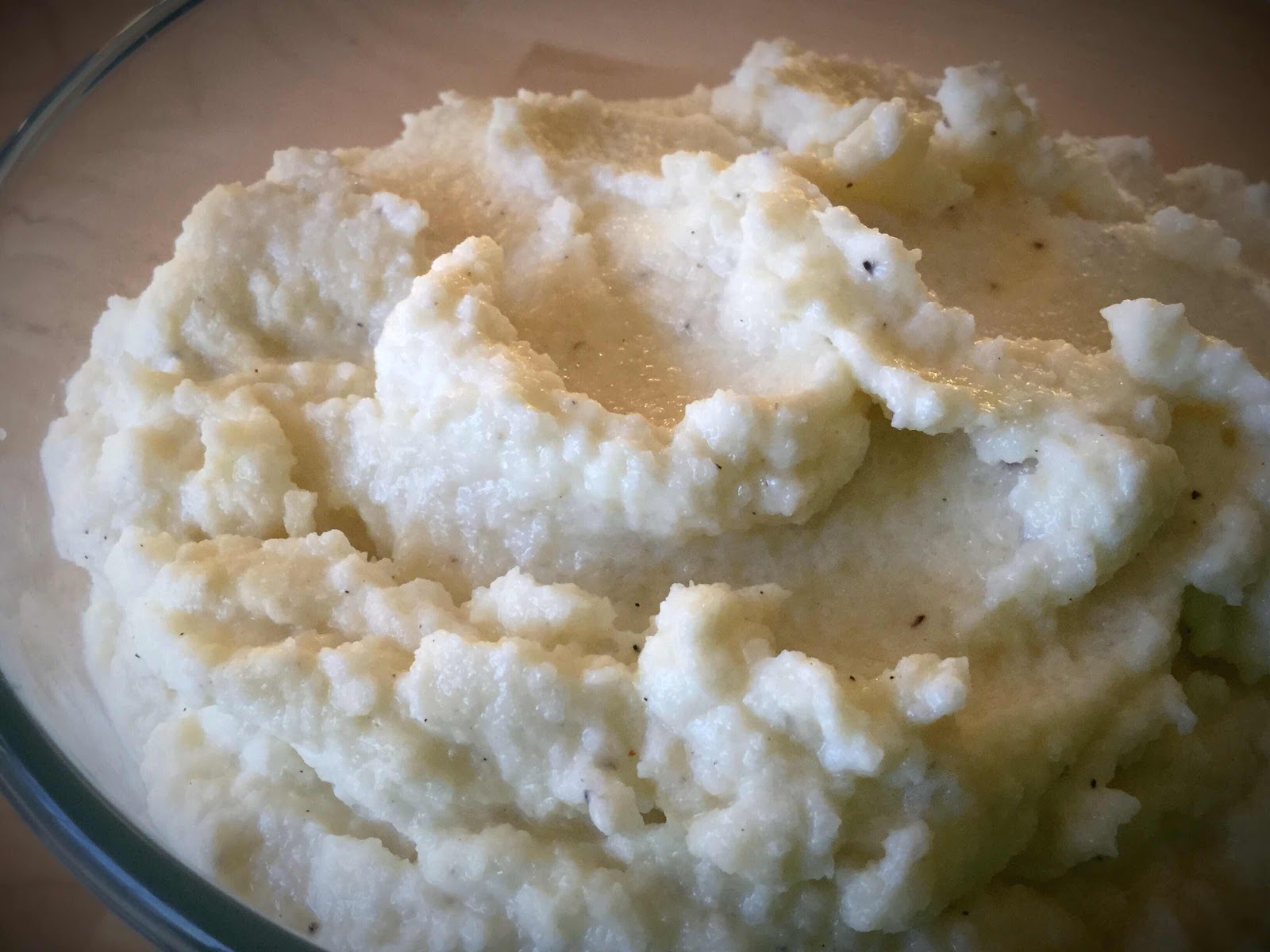
Quick and Easy Mashed Cauliflower

Quick and Easy Mashed Cauliflower
Since I cook almost every meal from scratch, I’m always looking for dishes that are convenient and simple to make. This quick mashed cauliflower recipe takes only about 10 minutes from start to finish and is the best low carb substitute for mashed potatoes that I know. I’ve posted a Perfect Mashed Faux-tato recipe in the past, but that one requires cutting up and steaming a fresh head of cauliflower. This easier recipe calls for a bag of frozen riced cauliflower instead, so most of the work is already done! The best part is that both recipes taste exactly the same. From now on, when I only need a few servings of this favorite low carb side dish to go with turkey, a pot roast or to make “potato” pancakes, this will be the one!

Quick and Easy Mashed Cauliflower
Makes 4 servings (1/2 cup each)

One (10 ounce) bag of frozen riced cauliflower (I used Green Giant)*
3 tablespoons butter, cubed
1 1/2 ounce cheddar cheese, cubed
1/2 teaspoon salt, or to taste
1/4 teaspoon ground black pepper

1. Pour the frozen riced cauliflower into a skillet, cover and heat over low to medium heat until the cauliflower is thawed completely. Remove lid and continue to heat, stirring occasionally, until all visible liquid has evaporated. 

2. Transfer the heated cauliflower to a food processor. Add the cubed butter and cheese and process on low until the butter and cheese has melted and is incorporated. Add salt and pepper to taste and process on high until the mashed cauliflower has reached the consistency you desire.

3. This can be rewarmed and served right away or can be stored in an airtight container in the refrigerator for up to several days.

*Note: You may ask why I don’t just buy the premade mashed cauliflower available in the frozen section of the grocery store. The reason is because the company adds milk, skim milk and modified rice starch, all of which adds carbs and sugars to the finished product. For comparison, one 1/2 cup serving of the premade frozen mashed cauliflower is 7 total carbs per serving (or 5 net carbs) with 3 g of sugar!! My recipe is only 3.4 total carbs or 1.7 net carbs per serving. This recipe is truly low carb/keto, while the premade product is not.

Nutritional Information per 1/2 cup serving: 135 calories, 3.4 g carbohydrate (1.7 g dietary fiber, 1.7 g sugars), 12 g total fat (2.7 g saturated fat, 0 g trans fat), 34 mg cholesterol, 437 mg sodium, 94.9 mg calcium, 4 mg potassium, 114 mg Vit A, 35 mg Vit C, 4.4 g protein. Net carbs per serving: 1.7 grams

Photo and recipe by Kathy Sheehan, copyright 2020
All rights reserved. Please do not duplicate without the author’s permission. 

Wednesday, February 13, 2019

Low Carb Linguine Al Forno (Baked Linguine) with Pancetta, Mushrooms and Radicchio

Low Carb Linguine Al Forno
This looks like a plate of cheesy pasta, doesn’t it? It tastes like it, too! Instead of wheat pasta, this fabulous dish uses noodles made from hearts of palm that are extremely low carb and gluten free. I’ve tried various low carb noodle substitutes, but these are the best, by far. (I used Palmini linguine noodles for this recipe.) Hearts of palm noodles have very little flavor on their own, but they absorb and take on the flavor of whatever sauce or other ingredients you pair them with...in this case, three types of creamy cheese, smoky pancetta or bacon, earthy mushrooms and spicy radicchio! You think you’re eating cheesy pasta, when in reality you’re eating mostly vegetables! If you haven’t given hearts of palm noodles a try, this incredible baked linguine recipe will win you over!

Low Carb Linguine Al Forno (Baked Linguini) with Pancetta, Mushrooms and Radicchio
Makes 4 servings

4 ounces pancetta or bacon, chopped
4 ounces shiitake or baby Bella mushrooms, cleaned and sliced
1/8 teaspoon sea salt
1-1/2 cups (about 1 small head) radicchio, finely chopped
1 cup heavy cream
1/2 cup grated parmesan, divided
1/2 cup fontina cheese, roughly shredded
1/4 cup crumbled gluten free Gorgonzola or blue cheese
3 leaves fresh sage, chopped (or 1 teaspoon fresh thyme)
Salt and pepper to taste
16 ounces hearts of palm noodles, linguini style (cut into smaller pieces, optional)
2 tablespoons olive oil

1. Before preparing the dish, cut up the hearts of palm noodles into 1-inch pieces (optional), rinse with water and then place the drained noodles into a large bowl. Cover with milk (or your favorite milk alternative) and allow to sit for 30 minutes. Drain and discard milk and rinse the noodles with water again before proceeding. (This step is a tip I received from the manufacturer of the Palmini hearts of palm noodles I used for this recipe and is optional, but it helps to mellow the flavor of the noodles.)

2. Preheat the oven to 500 degrees Fahrenheit. Bring a large saucepan of salted water to boil.

3. Remove the stems from the mushrooms and reserve for another use. Slice the mushroom caps into 1/4-inch slices; set aside.

4. Heat the pancetta in a large skillet over medium heat until well browned and crisp. Remove with a slotted spoon onto a plate lined with paper towels; set aside.

5. Add the mushrooms to the hot oil in the skillet and sprinkle with 1/8 teaspoon salt. Saute over medium heat, stirring frequently, until they are cooked through and beginning to brown, 3-5 minutes.

6. In a large bowl, combine the mushrooms, pancetta, radicchio, cream, fontina, 1/4 cup parmesan, Gorgonzola or blue cheese crumbles, sage or thyme, and season with salt and pepper to taste.

7. Boil the hearts of palm noodles for a few minutes until hot, drain and add to the ingredients in the mixing bowl. Toss well to combine. Divide the noodle mixture equally among four buttered individual gratin dishes or pour the entire mixture into a buttered casserole dish. Sprinkle the top with the remaining 1/4 cup parmesan cheese and drizzle with the 2 tablespoons of olive oil. Bake in the hot, preheated oven until bubbly and browned on top, about 20 minutes. Serve immediately.

Low Carb Linguine Al Forno
Nutritional Information per serving: 432 calories, 8.1 g carbohydrates (3.9 g dietary fiber, 1.2 g sugars), 42 g total fat (21.9 g saturated fat, 0 g trans fat), 127 mg cholesterol, 991 mg sodium, 243 mg calcium, 155 mg potassium, 1 mg iron, 17.1 g protein. Net carbs per serving: 4.2 grams

Photos and recipe by Kathy Sheehan, copyright 2019
All rights reserved. Please do not duplicate without the author’s permission.

Monday, June 6, 2016

Perfect Mashed Faux-tatoes (Mashed Cauliflower)


Perfect Mashed Cauliflower
Mashed potatoes have always been one of my favorite side dishes but, because I want to keep my blood sugar normal without diabetic medication, I made the choice to stop eating white potatoes a few years ago. It was an easy choice and the benefit to my health has been worth it! A few weeks ago, my husband was making his famous mashed potatoes and it motivated me to perfect my mashed cauliflower recipe. Too often, mashed cauliflower can end up more like a cauliflower smoothie than the consistency of mashed potatoes! Here is my secret for making PERFECT mashed "faux-tatoes" every time.

Cut florets from a large head of cauliflower.

Perfect Mashed "Faux-tatoes" (Mashed Cauliflower)
Makes about 8 servings (1/2 cup each)

1 large head cauliflower
2-3 tablespoons butter
1/3 cup sharp cheddar, shredded or cubed
Salt and pepper to taste

1.  Cut the florets off a large head of cauliflower and discard the leaves and core.

2.  Place the florets in a steamer basket over boiling water and steam covered for about 12-15 minutes, or just until the cauliflower is tender and can be pierced with a fork.  (This is the trick to perfect mashed cauliflower: DO NOT overcook the cauliflower! The longer you steam it, the more water is absorbed and the wetter the finished product will be. So be watchful and remove the cauliflower from the heat as soon as it can be pierced with a fork, but is not too soft.)

Steam florets for 12-15 minutes. DO NOT OVERCOOK!

3.  Using a food processor* with the chopping blade, process the cauliflower WITHOUT adding any liquid until it begins to have the consistency of mashed potatoes. (You may need to do this in batches.) Stop the food processor occasionally and break up and incorporate any larger pieces before continuing to process.

4.  When the mashed cauliflower has begun to reach the proper consistency, add 2-3 tablespoons of salted butter, 1/3 cup shredded or cubed sharp cheddar, salt and pepper to taste.  Continue to process until butter, cheese and seasonings are incorporated and the mixture is smooth or has reached the consistency you desire.  Serve immediately or store covered in the refrigerator for up to 3 days.

*This could be done in a blender in very small batches with frequent stopping and scraping down, although it may be difficult to get the mixture completely smooth.

Nutritional Information per 1/2 cup: 83 calories, 6 g carbohydrate (3 g dietary fiber, 2.6 g sugars), 5.8 g total fat (3.6 g saturated fat, 0 g trans fat), 16 mg cholesterol, 78 mg sodium, 25.8 mg calcium, 336 mg potassium, 3.3 g protein.  Net carbs per serving: 3 grams

Recipe by Kathy Sheehan, copyright 2016

Tuesday, March 16, 2010

Baked Swedes Au Gratin

Swedes are still abundant in the stores, as the last of the winter vegetables are made available before the spring crop is harvested. Also known by their less appetizing name of rutabaga (or yellow turnip), they are an excellent substitute for potatoes in this creamy, cheesy side dish. When you swap out low-carb swedes for the high-carb potato, you gain a good source of fiber, vitamins C & B6, potassium, folate and calcium. The first time I made this recipe for my family, I tried half potato and half swede, hoping they would be more receptive to the idea of eating turnips. To my surprise, they loved the swede and requested that next time I leave out the potato! So, I did and they were a hit. The sauce is really a gravy made from chicken stock with grated cheese sprinkled throughout the vegetable layers. When baked, it's the gooey, yummy cheese that shines through to make it appear that the sauce is all cheese. If you like Au Gratin Potatoes and are looking for a lower carb alternative, try swedes. I think you'll be pleased, too.

Baked Swedes Au Gratin
(Makes six 1-cup servings)

3 tablespoons zero trans fat buttery spread light, such as Smart Balance
3 tablespoons all-purpose flour
2 cups chicken stock
1½ teaspoons dried rosemary
Black pepper to taste
3 tablespoons grated parmesan cheese
1 large swede (1 lb.11 oz.), thinly sliced (aka. rutabaga or yellow turnip)
1 small onion, thinly sliced
1 cup shredded sharp cheddar (2% milk reduced fat)

1. Prepare the sauce by melting buttery spread in a saucepan over medium heat. Add flour and stir while cooking for 1-2 minutes. Remove from heat and slowly add chicken stock while whisking constantly. Cook over medium heat, stirring constantly, until mixture boils and thickens. Remove from heat and add rosemary, parmesan cheese and pepper; stir until cheese is melted. Preheat oven to 400-degrees.

2. Spray a large casserole dish with non-stick cooking spray. Ladle a small amount of the sauce into dish and swirl until bottom is coated. Place 1/3 of the sliced turnip in a layer on the bottom of the dish, sprinkle with 1/3 of the onion and drizzle 1/3 of the remaining sauce over the vegetables. Repeat with another layer of turnips, half of the remaining onion and half of the remaining sauce. Sprinkle with ¼ cup cheddar cheese. Top with a final layer of turnip, the remaining onion, the remaining sauce and the remaining ¾ cup cheddar cheese. Cover with foil and bake for 45 minutes.

3. After 45 minutes, remove foil and continue baking for another 25-30 minutes until turnips are fork tender and cheese is golden brown. (If you notice that the cheese is browning too much, cover with foil for remaining cooking time.) Serve immediately.

Nutritional Information per serving: 184 calories, 15.7 g carbohydrate, 9 g total fat, 4.4 g saturated fat, 3.5 g fiber, 10.5 g protein.

Original recipe by Kathy Sheehan, copyright 2010

How does this recipe compare with traditional Potatoes Au Gratin? This recipe has significantly less calories, carbs and fat (especially saturated fat). For comparison, the nutritional information per 1 cup of home-prepared potatoes au gratin made with margarine is 323 calories, 27.7 g carbohydrate, 18.6 g total fat, 8.6 g saturated fat, 4 g fiber, 12.2 g protein.

Thursday, December 31, 2009

Buttery Mashed Potato Swedes

The humble swede is a root vegetable used in a variety of ways and very popular in England and Europe. Although it is a good source of vitamin C, folate and fiber, it is a vegetable often overlooked in the United States probably because it is known here by its less appetizing name of rutabaga or yellow turnip. (Really! Try telling your kids, "Eat your rutabagas; they're good for you!" and watch them run from the dinner table.) But honestly, they are quite delicious and easy to prepare. For someone on a reduced carb diet, they are an excellent substitute for mashed potatoes with only half the carbs and twice the fiber! Their taste is distinctive, but quite pleasant. I suggest cooking them in broth because, as they boil, they'll take on the flavor of the liquid and broth is so much more flavorful than plain water. In this recipe, I have mashed them with a potato and butter in a fashion Americans have come to associate with "comfort food." Mashed swedes are especially appealing at this time of year when you might be craving heartier, warmer foods to combat the cold of winter. If you've never eaten swedes (or rutabagas), I hope I've convinced you to give them a try soon and see what you've been missing!

Buttery Mashed Potato Swedes
(Makes six ½-cup servings)

1 large swede (also known as yellow turnip or rutabaga)
1 small to medium russet potato
1½ cups chicken or vegetable broth
½ teaspoon salt
2 tablespoons butter
¼ cup milk or light cream
Salt and pepper to taste

1. Peel and cut swede and potato into 1-inch chunks. Place chunks in a large saucepan and add broth. Add enough water to cover vegetables. Add ½ teaspoon salt to pan and boil for about 15 minutes or until tender when pierced with a fork.

2. Reserve ½ cup cooking liquid, then drain remaining liquid from cooked vegetables. Add butter and milk to hot pan, return vegetables to pan and mash with a potato masher or whip with an electric mixer. Add reserved cooking liquid, 1 tablespoon at a time, until desired consistency is reached. Add salt and freshly ground pepper to taste. (For a smoother texture, run mashed swedes through a food mill.) Serve hot.

Nutritional Information per ½ cup: 58.5 calories, 11.6 g carbohydrate, 3.6 g total fat, 2.3 g saturated fat, 2 g fiber, 1.5 g protein.

Original recipe by Kathy Sheehan, copyright 2009

How does this recipe compare to traditional mashed potatoes? Swedes are half the calories of potatoes, lower in carbs and higher in fiber. For comparison, the nutritional information per ½ cup mashed potatoes made from a homemade recipe is 118 calories, 17.8 g carbohydrate, 4.3 g total fat, 3.5 g saturated fat, 1.5 g fiber, 2 g protein.

Monday, December 21, 2009

Betty's 7-Up Pound Cake

This is one of my very favorite recipes that I discovered in the handwritten recipe notebooks I inherited from my grandmother, Gaga. The original recipe was from Betty Layman, her daughter-in-law and my aunt. I remember Gaga loved this cake and served it often at family gatherings. It was so delicious, almost tasting like an eggnog cake, which makes it nice to have around Christmas. The secret ingredient is ground mace, which is similar to nutmeg and derived from the same plant, but has a fruity, delicate flavor. (Nutmeg is the spice taken from the seed, while mace is derived from the dried outer covering of the nutmeg fruit seed.)

To reproduce this recipe in a reduced-carb version was a challenge because, like all pound cakes, the list of ingredients included loads of butter, buckets of sugar and a barrel of flour (see the comparative nutritional information for the original recipe below). There is nothing healthy or diabetic-friendly about any flavor of pound cake! Honestly, I wasn't sure a makeover was possible until I figured out a way to reduce the saturated fat by substituting mascarpone cheese for a good portion of the fat in the recipe and adding imitation butter extract to keep that rich, buttery flavor that is the signature feature of a pound cake. Swapping out almond flour for most of the white flour and using Splenda in place of all but ½ cup of the sugar reduced the carbs by two-thirds! The final result was a delightful surprise. This cake has all the flavor and texture of the original that I so fondly recall from my childhood with only 12 net carbs per slice! I dedicate this recipe to my Aunt Betty and Gaga, who both are my source of inspiration and the memory makers that have made this special dessert a favorite of my family for as long as I can remember.

Betty's 7-Up Pound Cake
(Makes 20 servings)

¾ cup all-purpose flour
1¾ cups almond flour (or finely ground almonds)
1½ teaspoons baking powder
½ teaspoon baking soda
¼ teaspoon salt
1 teaspoon ground mace
6 tablespoons butter, softened
6 oz. mascarpone cheese (12 tablespoons)
1 tablespoon vegetable shortening
½ cup sugar
2 cups Splenda, granular (not baking blend)
3 eggs, room temperature
2 egg whites
1½ tablespoons imitation butter flavor extract
1½ teaspoons vanilla extract
½ cup 7-Up (or other lemon-lime soft drink, not diet)

1. Preheat oven to 350-degrees. Prepare a Bundt pan by spraying with non-stick cooking spray. Measure and sift the flours, baking powder, baking soda, salt, and mace together into a medium mixing bowl; set aside.

2. In a large bowl and using a mixer, cream together the butter, mascarpone cheese and shortening until fluffy. Add the sugar and ½ of the Splenda and cream with the butter mixture. Add the remaining cup of Splenda and continue beating until well blended. Add the eggs and egg whites, one at a time, beating well after each addition. Add the extracts and beat until incorporated.

3. Alternately add the flour mixture and 7-Up, beginning and ending with the dry ingredients. Beat until well blended. Pour into prepared Bundt pan. Bake for 45-55 minutes or until toothpick inserted into cake comes out clean. Allow cake to cool in pan for about 10 minutes before turning out onto a wire rack to cool completely. Cake is supposed to come out brown, crisp and yummy!

Nutritional Information per serving: 188 calories, 13.6 g carbohydrate, 13.2 g total fat, 4.9 g saturated fat, 1.2 g fiber, 4.5 g protein.

Recipe by Kathy Sheehan, copyright 2009.
Inspired by a recipe by my aunt, Betty Layman.

How does this compare with the traditional family recipe? The traditional recipe calls for 2 sticks of butter and ½ cup shortening, 3 cups sugar, 5 eggs and 3 cups of white flour. Just reading the list of ingredients clogged my arteries and sent my cholesterol and blood glucose sky high! Without sacrificing the delicious flavor of the original, my makeover recipe is over 130 calories less and has less than 1/3 of the carbohydrates, not to mention a significant reduction of saturated fat per slice. For comparison, the nutritional information for the same size piece made from the original recipe is 321 calories, 44.3 g carbohydrate, 15.3 g total fat, 7.3 g saturated fat, 0.5 g fiber, 3.5 g protein.

Sunday, October 18, 2009

A Smarter Peach Muffin

The goal of my cooking and baking is to make substitutions or additions to recipes that will boost the nutrition while reducing the carbohydrates and sugars without compromising flavor or texture. These wholesome muffins are a fine example. I have taken a traditional peach muffin recipe, substituted almond flour and oats for most of the nutritionally-empty white flour and further boost the nutrition by sneaking in pureed squash. (Use your own leftover cooked butternut squash or substitute canned or pumpkin.) By doing this, I have created a delicious muffin bursting with fresh fruit flavor that is an excellent source of potassium, Vitamins E, C and A, beta-carotene, magnesium, Vitamins B2, B6 and niacin. You'll never get all of that from a traditional peach muffin made from white flour and sugar! While all of this is good to know, what really counts is the taste. Trust me, these are delicious, especially warm out of the oven on a frosty morning.

Smarter Peach Muffins
(Makes 12)

1 large ripe peach (or 1 cup thawed from frozen), chopped into small pieces
¼ cup all-purpose flour
¾ cup almond flour (or finely ground almonds)
¾ cup rolled oats
1½ teaspoons baking powder
½ teaspoon baking soda
¼ teaspoon salt
½ teaspoon cinnamon
½ teaspoon ground nutmeg
1 large egg, lightly beaten
Grated rind of 1 small orange or large lemon
2 tablespoons brown sugar, packed
¼ cup Splenda granular (not baking blend)
1 teaspoon vanilla extract
¼ cup canola oil
½ cup pureed butternut squash or pumpkin

1. Preheat oven to 375-degrees. Spray twelve muffin cups with non-stick vegetable spray; set aside.

2. In a large mixing bowl, mix together the flours, oats, baking powder, baking soda, spices and salt. Break up any lumps in the almond flour with a fork; set aside. Chop peach and set aside.

3. In a medium mixing bowl, beat egg, citrus rind, brown sugar and Splenda with handheld or standing mixer until well combined. Add oil and vanilla and beat for 1-2 minutes until thick slightly increased in volume. Add squash puree and beat until combined.

4. Make a well in the center of the dry ingredients and pour in the liquid ingredients. Mix quickly with a wooden spoon, just until the dry mixture is moistened. Fold in chopped peaches. Using a ¼ cup measure or large cookie scoop, fill the muffin cups ¾ full. Bake for 20-25 minutes or until toothpick inserted in center comes out clean. Allow to cool in pan for 3 minutes and then remove to wire rack to cool. Serve warm or at room temperature. Leftovers may be frozen.

Nutritional Information per muffin: 151 calories, 16.3 g carbohydrates, 8.7 g total fat, 0.8 g saturated fat, 2.2 g fiber, 3.6 g protein.

Original recipe by Kathy Sheehan, copyright 2009


How does this recipe compare with a traditional peach muffin made with white flour? This recipe is packed with more fiber, vitamins and minerals (as mentioned above), plus it is 100 calories less and only half the carbohydrates! For comparison, the nutritional information for a traditional peach muffin is 258 calories, 36.6 g carbohydrate, 10.8 g total fat, 0.3 g fiber, and 3.5 g protein.

Thursday, August 6, 2009

Pasta, Potato & Rice Substitutes

Pasta and potatoes, I love them - but sadly, they don't love me. As a matter-of-fact, white starches (such as rice, pasta, potatoes and white bread products) should no longer be on my menu, except rarely or in very small quantities. A serving of any of these white, starchy no-no's should be limited to 1/3 cup once or twice a week, at the most. Have you ever measured out a level 1/3 cup of pasta? It's not much more than a spoonful. Plop that in the middle of your plate, top with spaghetti sauce and that's not much of a meal! I thought the days of my favorite spaghetti dinner were over for good. But instead of giving up, I got creative!

There are lower carb, higher fiber pastas on the market, such as Dreamfields brand, which is formulated in such a way that only 5 net carbs are absorbed by the body. It tastes like regular pasta to me, so it is my favorite "go to" brand when cooking for my family. Even with reduced carb pastas, portion control is important. One serving is about ½ to ¾ of a cup of cooked pasta, not a heaping plate full, but a small side-dish size. Also, it is best to test and see how your blood glucose reacts to the different reduced carb pastas before you include it regularly in your food plan. (To see how your body reacts to any food, check your blood sugar about 2 to 2½ hours after eating, if it is still elevated and over 150, then the offending food should be limited in your diet.) When it comes to potatoes and rice, for me they need to be avoided almost entirely. Here are some of my favorite food substitutes that can stand in nicely for this disastrous trio that are much more nutritious while adding fiber and flavor to your meal.

Pasta Alternatives

1. Spaghetti Squash is extremely easy to prepare, but you do need to plan ahead for cooking time. Simply cut the squash in half lengthwise and place, cut side down, onto a baking sheet that has been sprayed with non-stick cooking spray or oiled with canola or olive oil. Bake in a 375-degree oven for about 45-50 minutes or until tender when pierced with a fork. Remove from oven and allow to cool for 5 minutes. With a fork, scrape the noodle-like strands onto a serving plate. Sprinkle with grated parmesan cheese and season with salt and pepper before topping with your favorite pasta sauce. Nutritional Information for 1 cup of cooked spaghetti squash: 40 calories, 9.9 g carbohydrate, 0.2 g fat, 2.2 g fiber, 0.9 g protein.

2. Zucchini "Pasta" can be made by cutting lengthwise into 1/8" thick slices, then further cutting thin slices into 1/8" wide matchsticks (or use a mandoline to cut into long julienne, matchstick slices). Heat ½ tablespoon olive oil in a pan, add minced garlic and saute until just fragrant, about 20 seconds. Add zucchini to pan, add salt and pepper to taste. Saute until limp and spaghetti-like. (If desired and to fool your tastebuds into thinking you're eating a more authentic noodle pasta, add 1/3 cup cooked spaghetti noodles to zucchini and toss together.) Remove to serving plate and sprinkle with parmesan cheese. Top with your favorite pasta sauce. Nutritional Information for 1 cup of cooked zucchini "noodles" sauteed with olive oil without added pasta noodles: 86 calories, 7 g carbohydrate, 6.6 g fat, 2.3 g fiber, 1.1 g protein.

Potato Alternatives

1. Potato & Cauliflower Mashed "Potatoes" can be an acceptable substitute for many people, especially those starved for their much-loved, but forbidden, creamy spuds. Simply steam 1 large head of cauliflower until tender. Meanwhile, boil 1 large russet potato that has been peeled and cut into chunks until fork-tender. Drain vegetables and place into large mixing bowl. Add 1 tablespoon unsalted butter. Mash with a potato masher or whip with a hand mixer. Add milk or chicken stock 1 tablespoon at a time until desired consistency is reached. Add salt and pepper to taste. Serves 4. Nutritional information per serving (¼ recipe) : 122.8 calories, 21 g carbohydrates, 3 g fat, 4.5 g fiber, 3.9 g protein.

2. Roasted Vegetables are one of my favorite side dishes and is so easy to prepare. Cut up a variety of vegetables into similar sized pieces and place on a baking sheet. Some suggestions are butternut squash, parsnips or sweet potato (definitely good potato substitutes), cherry or grape tomatoes, carrots, acorn squash, zucchini, or asparagus. For taste and visual appeal, try a mixture of your favorites. Drizzle with olive oil, salt and pepper and toss to coat. Roast in a hot 400-degree oven until vegetables are fork tender, usually 20 to 40 minutes, depending on the type of vegetables chosen. Approximate Nutritional Information per serving (½ to ¾ cup): 147 calories, 21 g carbohydrates, 4 g fat, 6 g fiber, 1.5 g protein. (If using lighter vegetables, such as summer squash, tomatoes or asparagus, the totals will be much less.)
Rice Alternatives

1. Lentils are in the legume family, so they are high in fiber and protein. They cook up fairly quickly, about the same amount of time as rice. There are several colors and varieties of lentil, so finding one to compliment your oriental stir-fry or to have as a side dish is not difficult. To add more flavor, simmer in chicken, beef or vegetable stock instead of water. Also, add herbs to further link the lentils to whatever you're serving as the main course. Nutritional Information (per ½ cup serving) is 112 calories, 19.3 g carbohydrates, 0 g fat, 7.2 g fiber, 8.9 g protein.

2. The nutritionists will tell you, "eat brown rice instead of white rice," or "quinoa is the new super food," or "barley is a better choice than white rice," etc. Actually, in comparison, they are not much different (although brown rice, barley and quinoa are slightly more nutritious than white rice). Below is a chart so you can decide for yourself. The deciding factor really should be how your body responds to eating any rice or grain because your glycemic response is what is most important. Check your blood sugar about 2 to 2½ hours after eating, if it is still elevated and over 150, then the offending food should be limited in your diet.


I hope you'll give these a try. I'm sure you'll find them as satisfying and pleasing as the original high-carb foods they're replacing on your dinner plate. Enjoy!

Monday, July 27, 2009

Eating a diabetic diet doesn't mean giving up the foods you love...

Welcome to my blog especially for those wishing to learn ways to cook healthier, without sacrificing flavor. I've been a diabetic for over 10 years and am happy to say that my diagnosis was the best thing that ever happened to me and my health!

Certainly, at first, it wasn't easy changing my ways. I was raised in the South and all of my young life I was fed the Paula Deen diet! I'm not blaming anyone, but that's just the way everyone ate at the time and in that region of the country. Since my diagnosis, I've learned to eat and cook in a completely different way. That doesn't mean I don't crave a good cupcake now and again, but I've developed some incredible recipes that make it possible to indulge occasionally without guilt or sending my blood glucose out of orbit. I will share with you some of my clever, healthier ingredient swap outs that will have you rejoicing!

You CAN have your cake and eat it, too!
These recipes are good for everyone, not just diabetics. Please give them a try, share them with your friends, feed them to your family -- everyone will love them. I'd really like to hear what you think, so leave a comment. Thank you!