Showing posts with label pasta. Show all posts

Monday, May 23, 2022

REAL Keto Fettuccine Pasta Made with Coconut Flour

REAL Keto Fettuccine Pasta
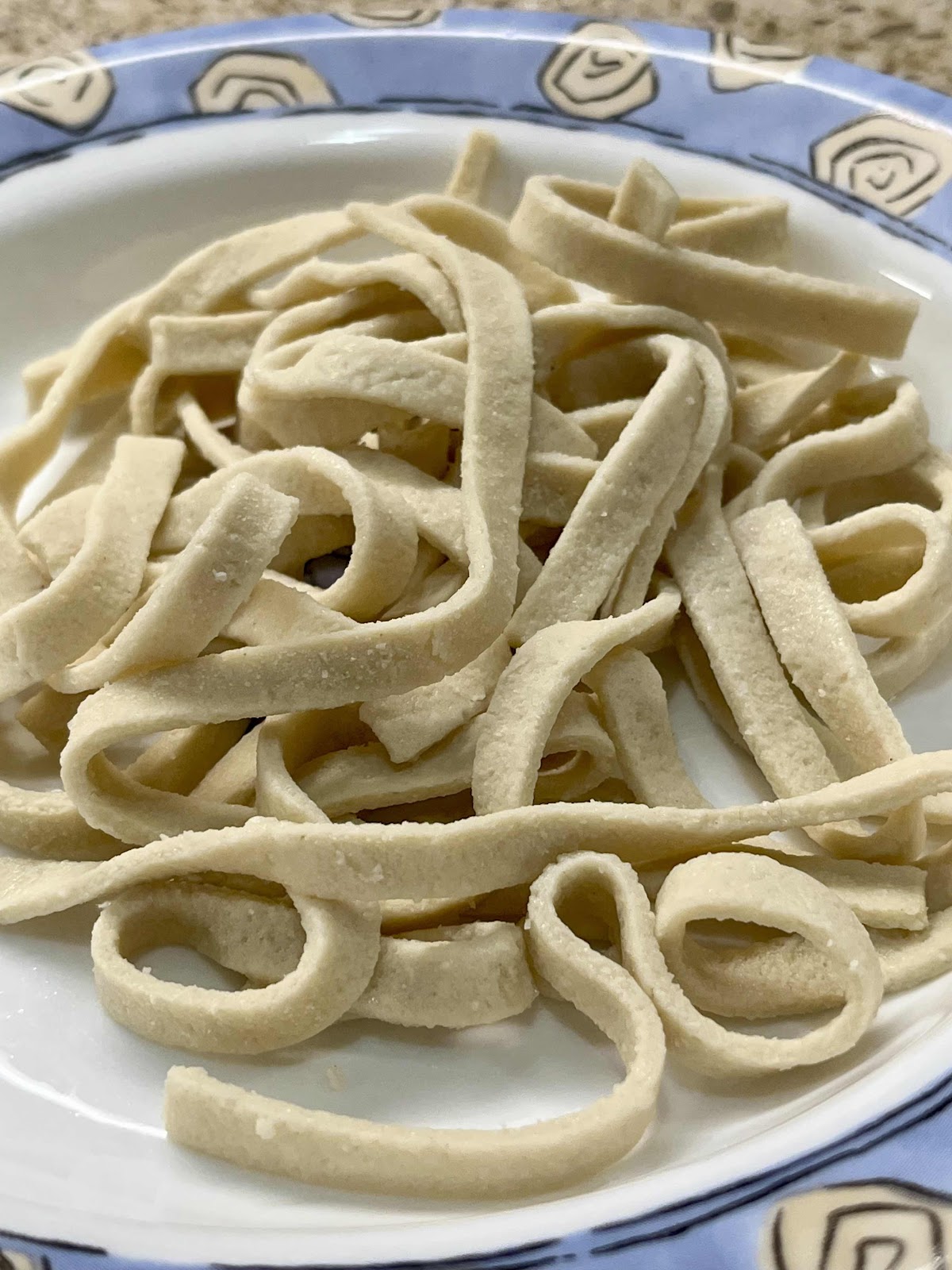
I was gifted with a pasta maker for Mother’s Day! After experimenting with several keto pasta noodle recipes I saw online, frankly I was very disappointed because they were nothing more than whisked eggs, maybe thickened with a bit of cream cheese or fiber powder, that had been spread thinly and baked into a big, flat plain omelette. It went through the pasta maker just fine and looked like egg noodles, but really tasted like scrambled eggs. The egg noodles were so fragile, they broke apart when I tried to twirl them on my fork. It was disappointing, to say the least. This only spurred me on to create a REAL pasta noodle dough that can go through the rollers of a pasta maker (or you can cut them with a knife or pizza cutter), be boiled instead of baked and tastes like real pasta, but without the carbs and won’t impact my blood sugar. I’ve been experimenting and perfecting this recipe for a couple of weeks and, I’m happy to say, these high-fiber, low carb pasta noodles far exceed my expectations with only 3.8g net carbs per serving! I can see a lot of delicious pasta dishes in my future. And look! These keto noodles can be twirled on your fork!!
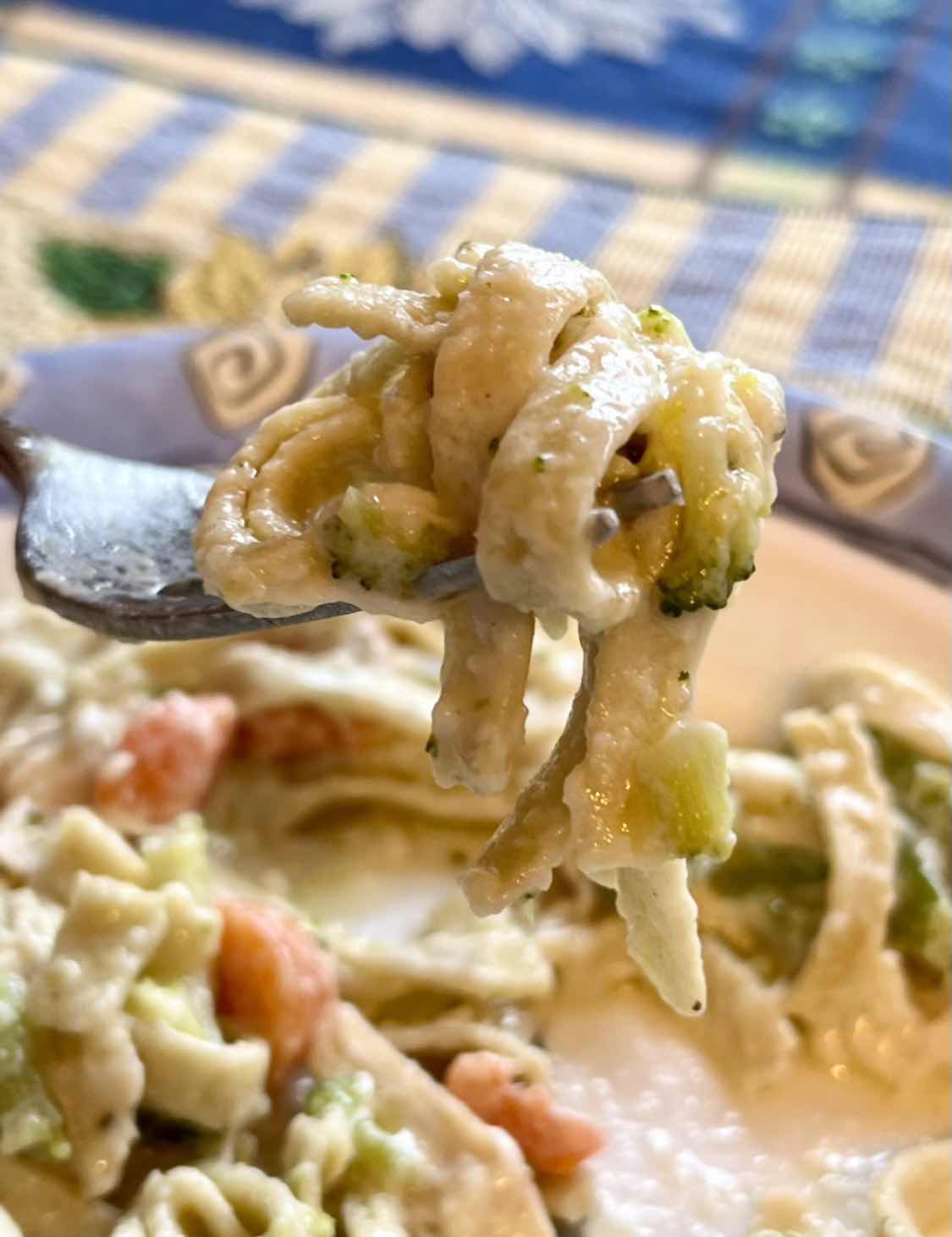
You can twirl these keto noodles!
REAL Keto Fettuccine Pasta Made With Coconut Flour
Makes 2 servings

2 tablespoons oat fiber (NOT oat flour!)
2 teaspoons psyllium husk powder (I recommend Terrasoul brand)
1/4 teaspoon xanthan gum
1/8 teaspoon salt, or to taste
3 tablespoons coconut flour, plus 1-2 teaspoons as needed to make a cohesive ball of dough
1 large egg
2 egg whites
More coconut flour for dusting

1. Whisk together the oat fiber, psyllium husk powder, xanthan gum, salt and 3 tablespoons coconut flour in a small bowl until no lumps remain.

2. Place the egg, egg whites and dry ingredients into a mini food processor or regular food processor and process until all the ingredients are incorporated and the mixture is smooth. Allow the mixture to sit in the food processor and absorb liquid for 10 minutes. Process again, adding more coconut flour if needed, 1 teaspoon at a time, until the dough comes together into a ball. Remove the ball of dough from the food processor onto a board, silicone mat or your kitchen counter that has been dusted lightly with coconut flour.
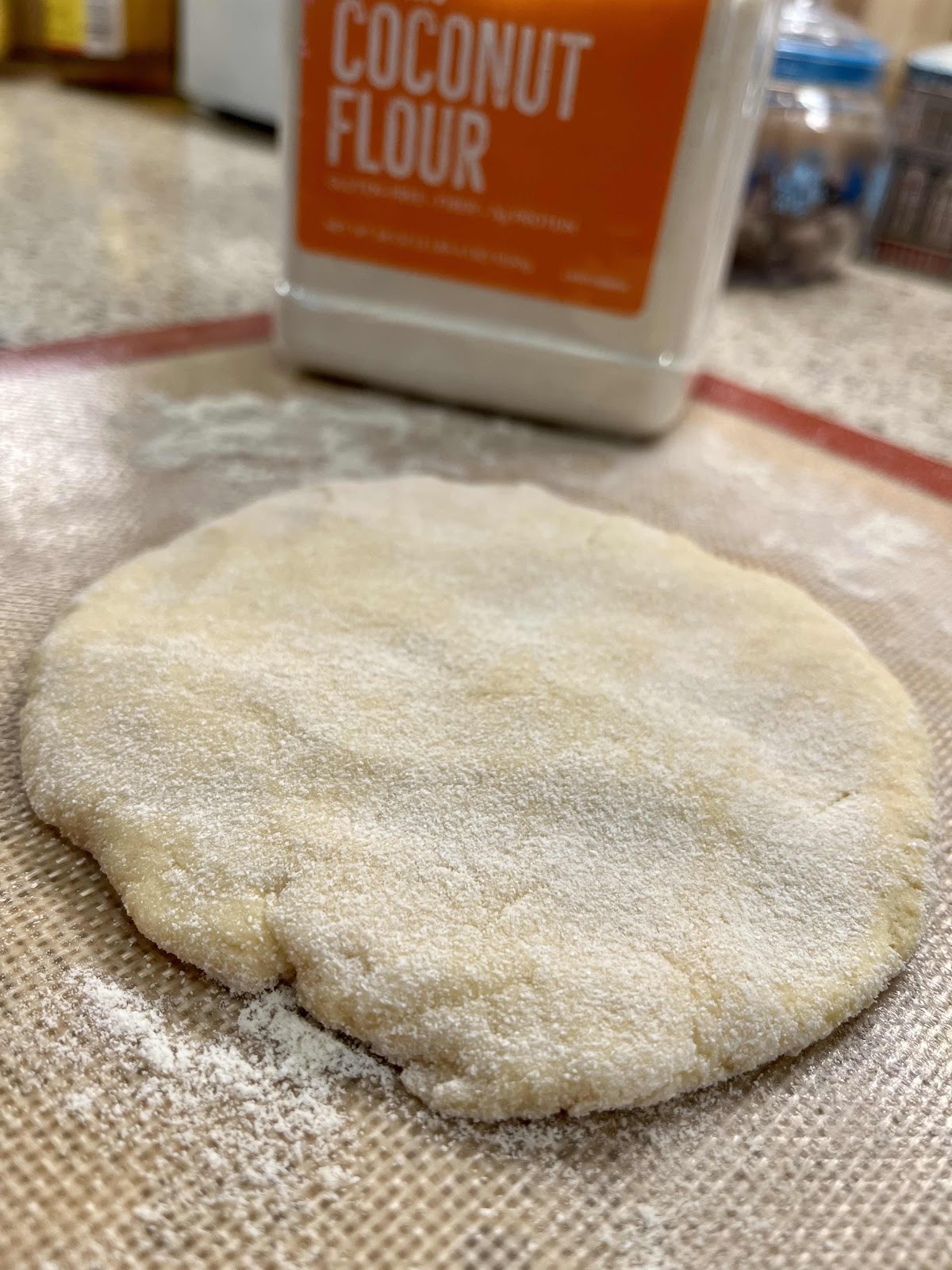
REAL Keto Pasta Dough
Note: The uncooked pasta dough can be made ahead, wrapped in plastic wrap and set aside at room temperature if you plan to cut and eat your noodles in a few hours. (If you want to make your noodles ahead and store them for longer, I suggest cooking them first. See storage directions below.)
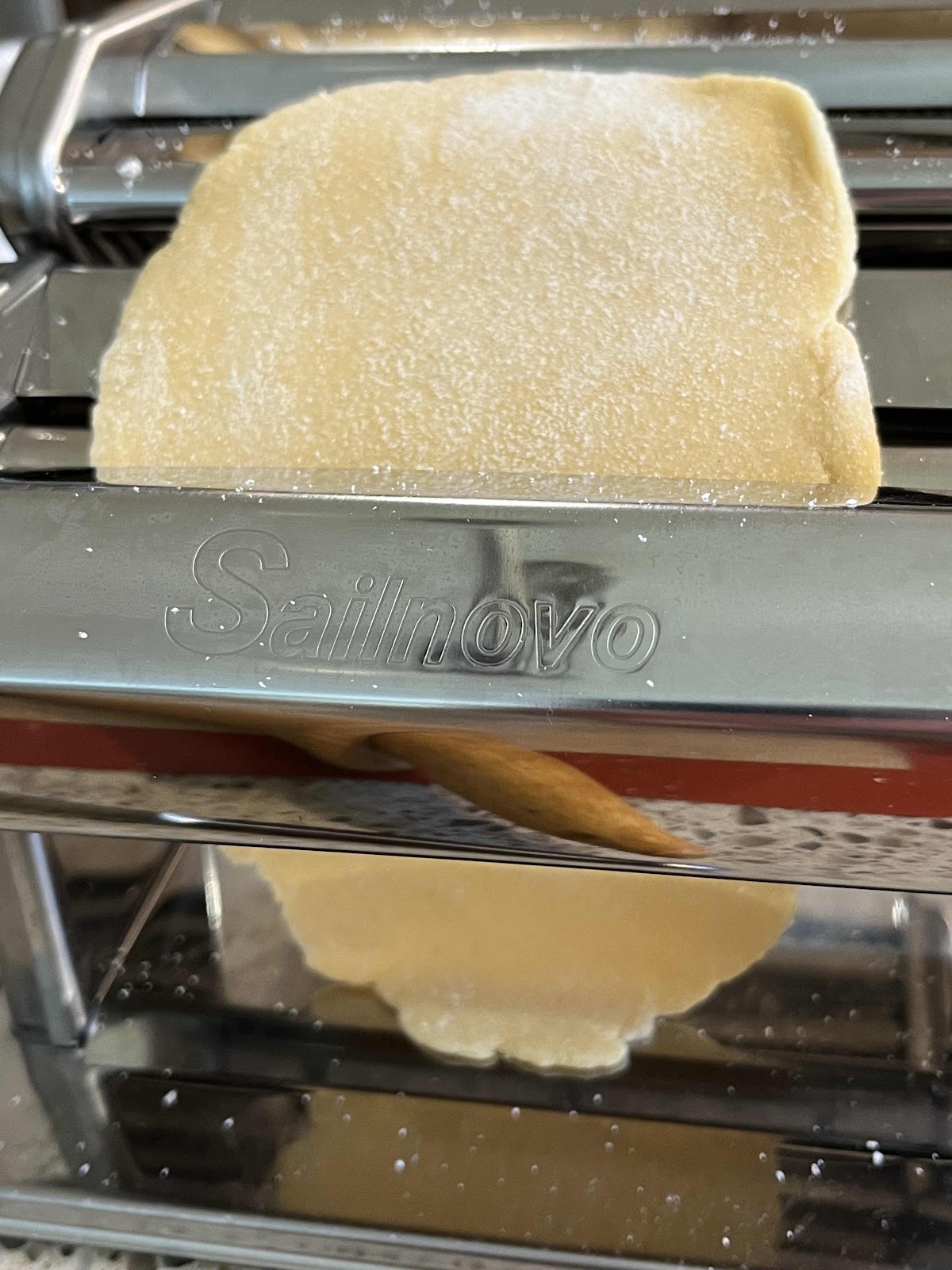
Run the dough through the rollers of the pasta maker
3. With a rolling pin, roll out the dough until it is thin enough to go through a pasta maker roller at the widest setting (*see note below for how to make noodles without a pasta maker). Then adjust the roller to the next thinner setting and run the dough through again. If needed, dust the dough very lightly with coconut flour between each pass to prevent sticking. (Be aware that this pasta dough is more delicate than regular pasta dough made with flour, so don’t roll it too thin.)

4. When the dough is the thickness you like, run it through a fettuccine or linguine-width roller/cutter to create noodles. (I have found that the wider, fettuccine-style noodles are much sturdier than narrow, spaghetti or angel hair. For best results, cut your noodles about 3/8” to 1/4” wide.)
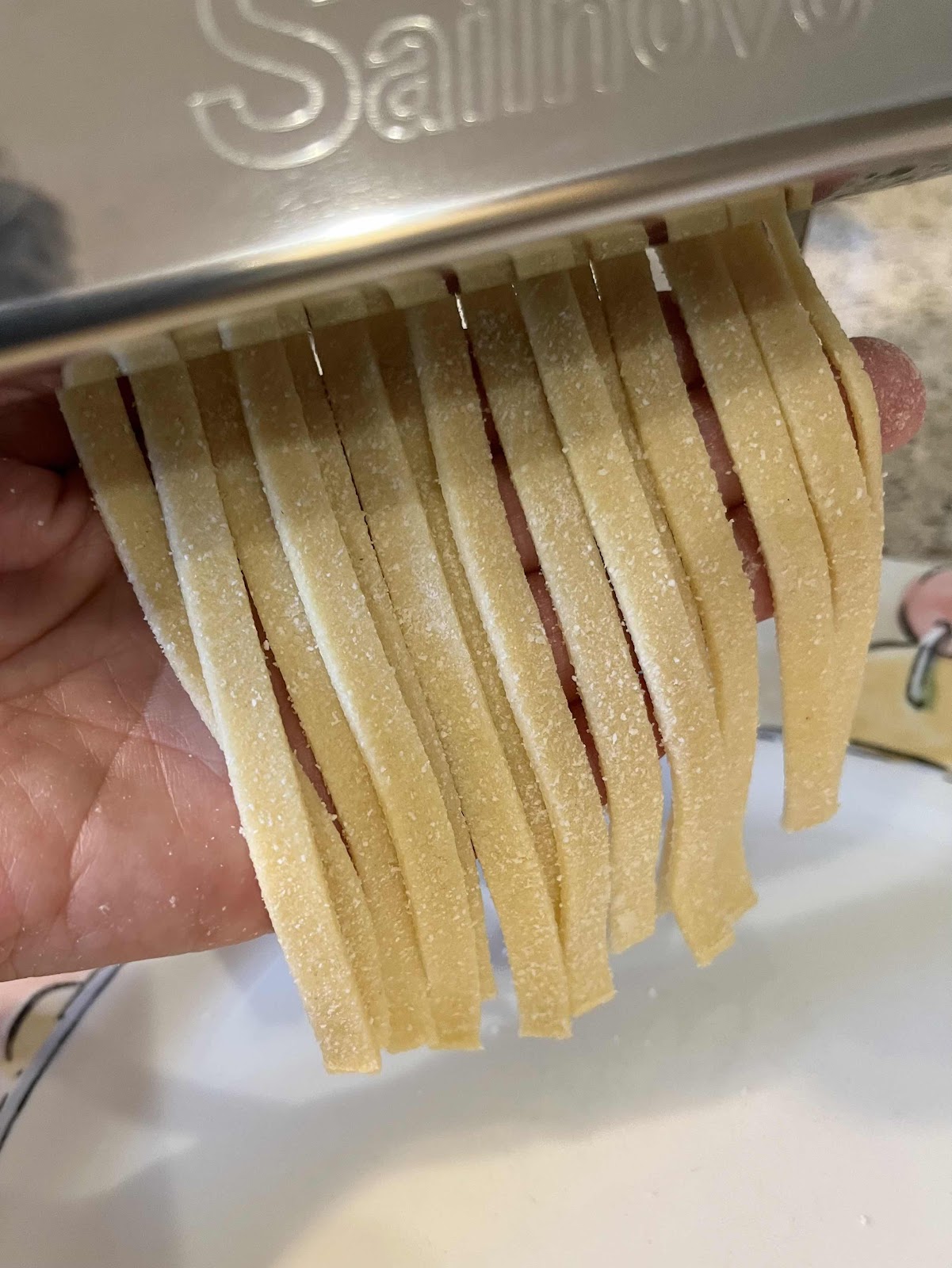
Cut the dough into fettuccine noodles
5. Drop the noodles into rapidly boiling water that has been seasoned with salt and boil for 30 seconds or less. These noodles cook quickly! The color will change slightly, becoming whiter, to indicate it is done. Do not overcook!! (It is especially important that you do not overcook narrower noodles because, when overcooked, they might get too soft and begin to break apart.)
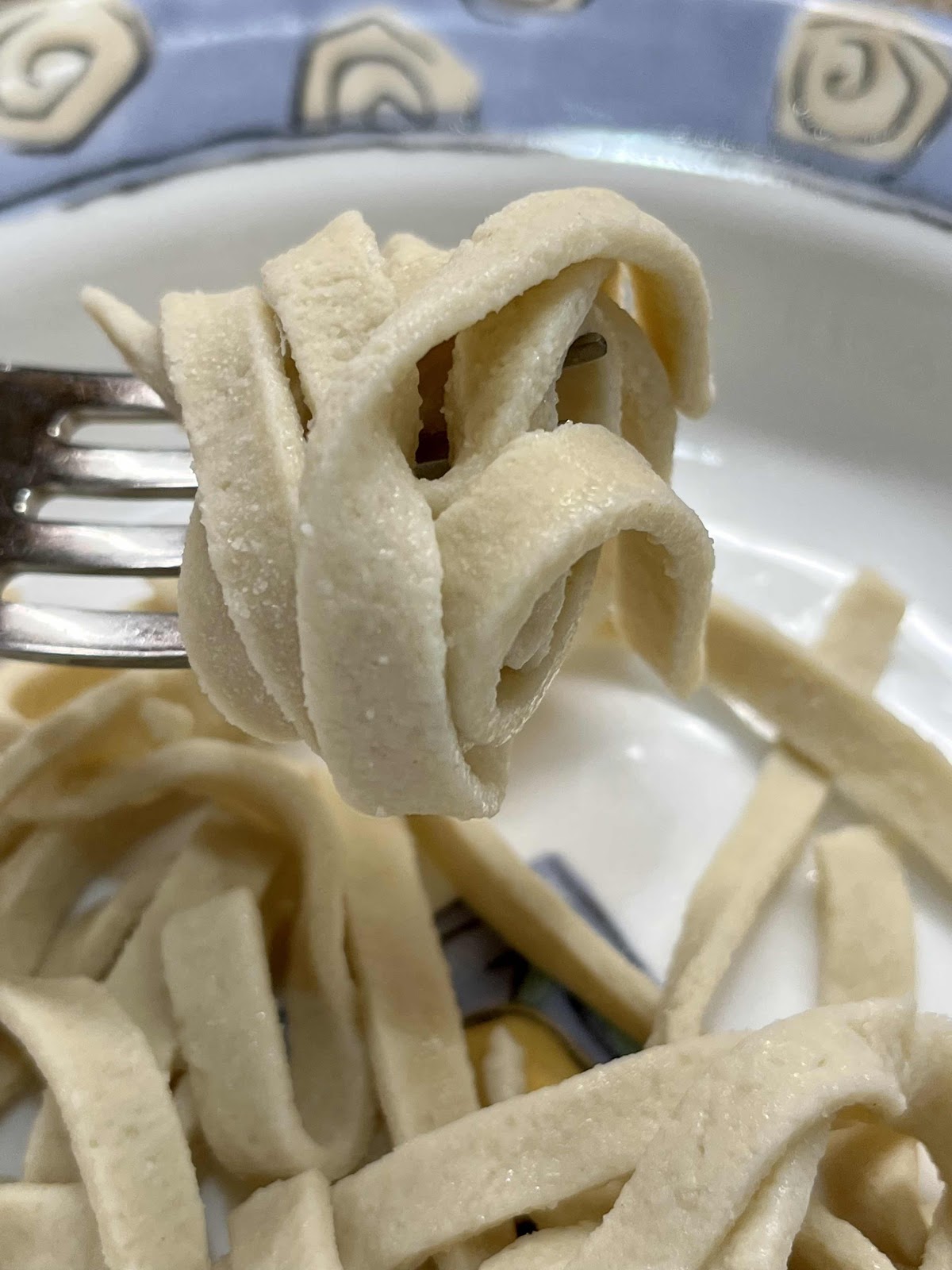
Boiled pasta keto noodles are sturdy enough to twirl on a fork!
6. Drain immediately and serve with your favorite sauce. Just like any fresh noodle pasta, this keto pasta is best eaten right away.

Storage: Cooked and drained noodles can be stored in an airtight container in the refrigerator for up to two days. To reheat, drop the noodles into your favorite sauce that has been heated until hot and gently toss, coating the noodles with the sauce, until the noodles are just heated through.

* If you do not have a pasta maker, roll the dough very thinly (1/8” or so), then roll the dough, jelly roll style, and cut with a sharp knife into noodles to the width you desire. Or use a pizza cutter to cut the dough into noodles.
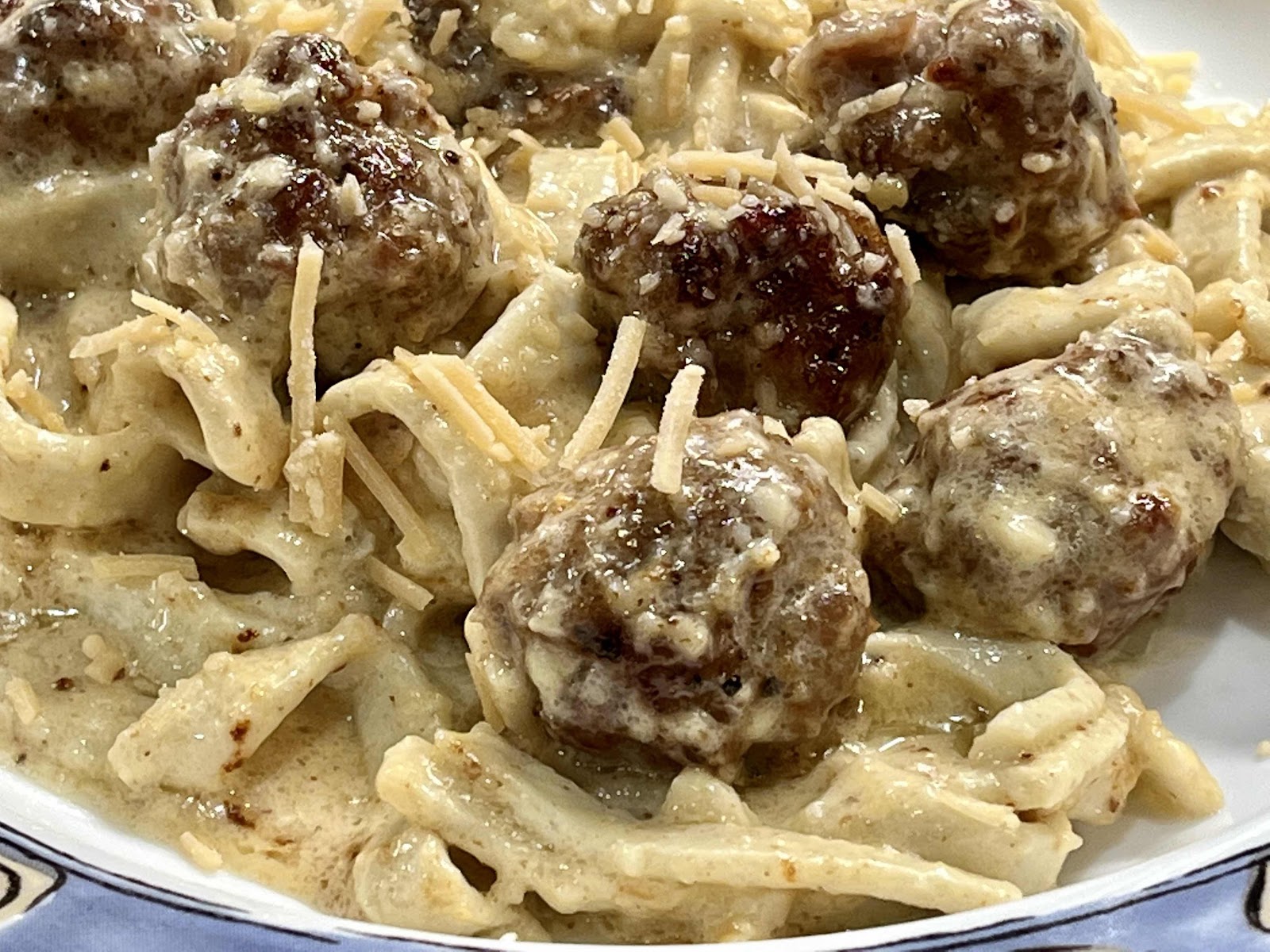
Serve with your favorite sauce
Nutritional Information per serving (1/2 recipe): 118 calories, 16.7 g carbohydrate (12.9 g dietary fiber, 2.7 g sugars), 5.1 g total fat (3.1 g saturated fat, 0 g trans fat), 93 mg cholesterol, 252 mg sodium, 16.4 mg calcium, 89 mg potassium, 1 mg iron, 40 IU Vit A, 9.1 g protein. Net carbs per serving: 3.8 grams

Photos and recipe by Kathy Sheehan, copyright 2022
All rights reserved. Please do not duplicate without the author’s permission. 


Thursday, March 10, 2022

Keto Carbonara (Made with Egglife Wrap Noodles)

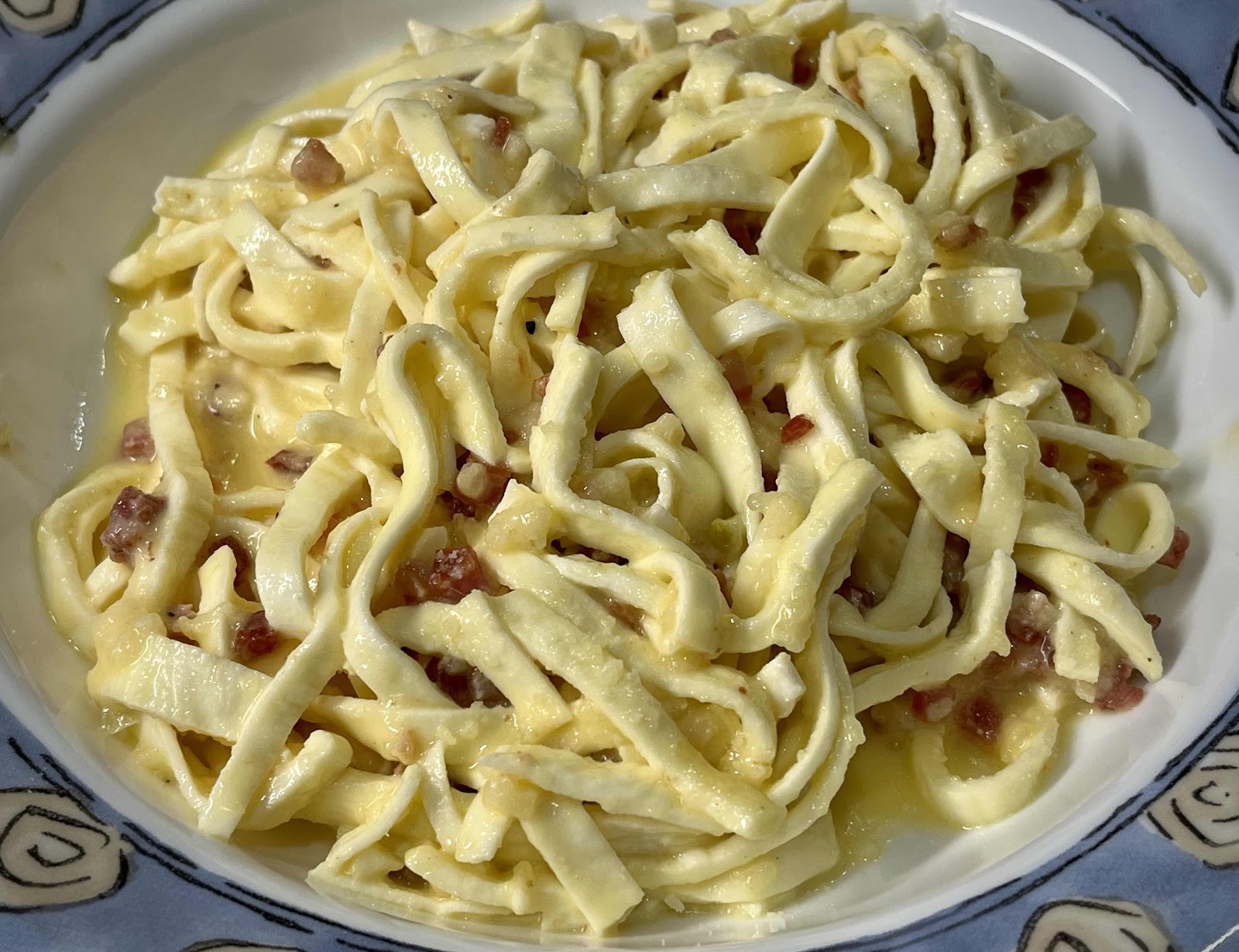
Keto Carbonara (Made with Egglife Wrap Noodles)
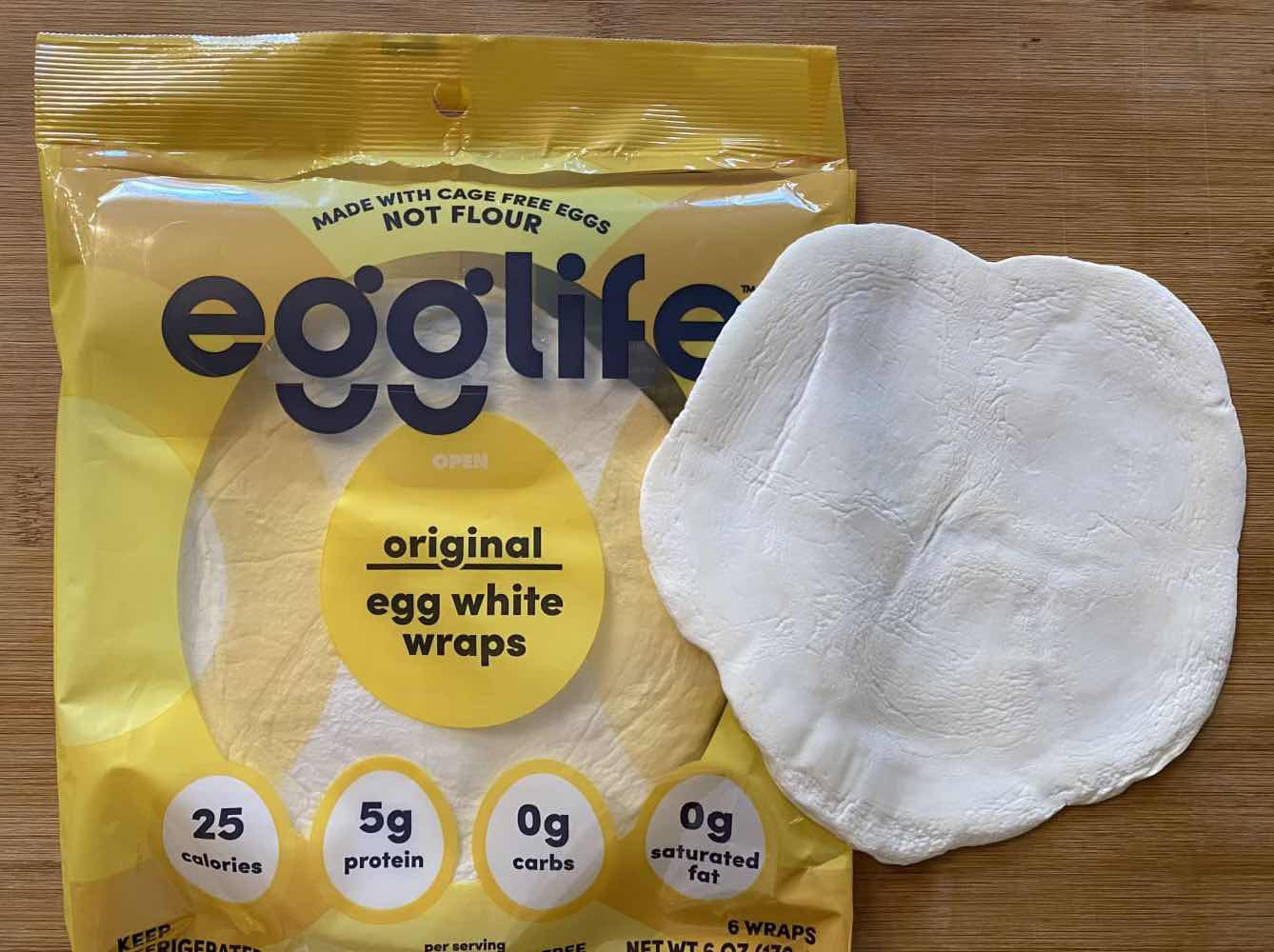
I recently made Carbonara using three Egglife wraps that I cut into thin strips using a pizza cutter. The result was very good! I have to admit that this idea of using Egglife wraps as noodles is not my own. I saw a post on Facebook that inspired me. I thought it was ingenious! So, I tried it with my homemade carbonara recipe and I like the way it turned out. The Egglife wraps, by themselves, are pretty plain. They do not impart much flavor, so using them as a wrap in anything other than a breakfast burrito is not appealing to me. But when cut into thin strips, I think they make a pretty good egg noodle substitute. I will definitely be trying this again in other recipes that call for egg noodles, such as stroganoff. This recipe is convenient and quick to throw together anytime you need a “fast food” dinner. (To find out where you can buy Egglife Wraps in your area, check out the Store Locator on their website here.)

Keto Carbonara (Made with Egglife Wrap “Noodles”)
Makes 1 generous serving (or two side dish servings)

3 plain Egglife Wraps, cut into thin strips
2 ounces pancetta, cut into small cubes (or bacon)
2 cloves garlic, minced
1 egg
6 tablespoons grated Parmesan cheese
Ground black pepper to taste

1. In a small, heavy saucepan, boil some water. Cut three plain Egglife wraps into thin strips using a pizza cutter or sharp knife, about the width of fettuccine noodles; set aside. In a small bowl, whisk together one egg and 6 tablespoons of grated Parmesan cheese. Add pepper to taste; set aside.

Egglife Wraps
2. In a skillet, sauté 2 ounces of cubed pancetta until it has rendered its fat and is beginning to brown. Add two finely chopped or minced cloves of garlic and stir until fragrant. Remove from heat.

3. Once the water has boiled, drop the Egglife ”noodles” into the water for 15 seconds. Reserve about 1/4 cup of the boiling water. Drain the noodles and set aside.

4. To the now empty, but still hot saucepan, add the sautéed pancetta, including any rendered fat. Add the egg/Parmesan mixture and a little bit of the reserved hot water and whisk into a sauce. (Only add enough water to create a smooth, but still slightly thick sauce.) Add the drained Egglife noodles and toss until the noodles are well coated. Serve immediately.

Nutritional Information per entire recipe (1 generous serving): 521 calories, 3.5 g carbohydrate (0.2 g dietary fiber, 0.2 g sugars), 35 g total fat (14.8 g saturated fat, 0 g trans fat), 258 mg cholesterol, 1761 mg sodium, 446 mg calcium, 336 mg potassium, 1 mg iron, 139. IU Vit A, 43 g protein. Net carbs per serving: 3.3 grams

Photo and recipe by Kathy Sheehan, copyright 2022
All rights reserved. Please do not duplicate without the author’s permission. 
Tuesday, October 22, 2019

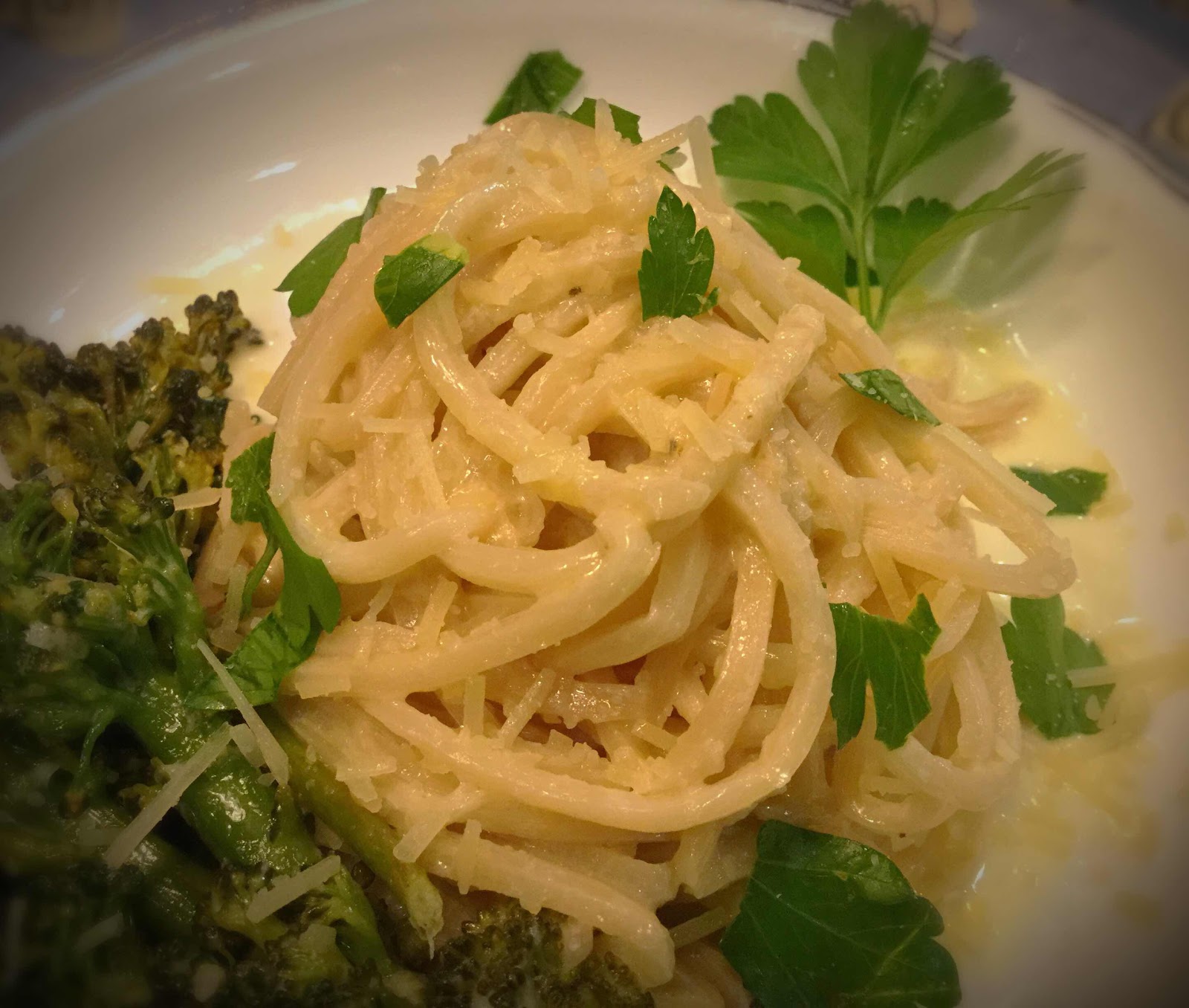
Keto Lemon Pasta

Keto Lemon Pasta
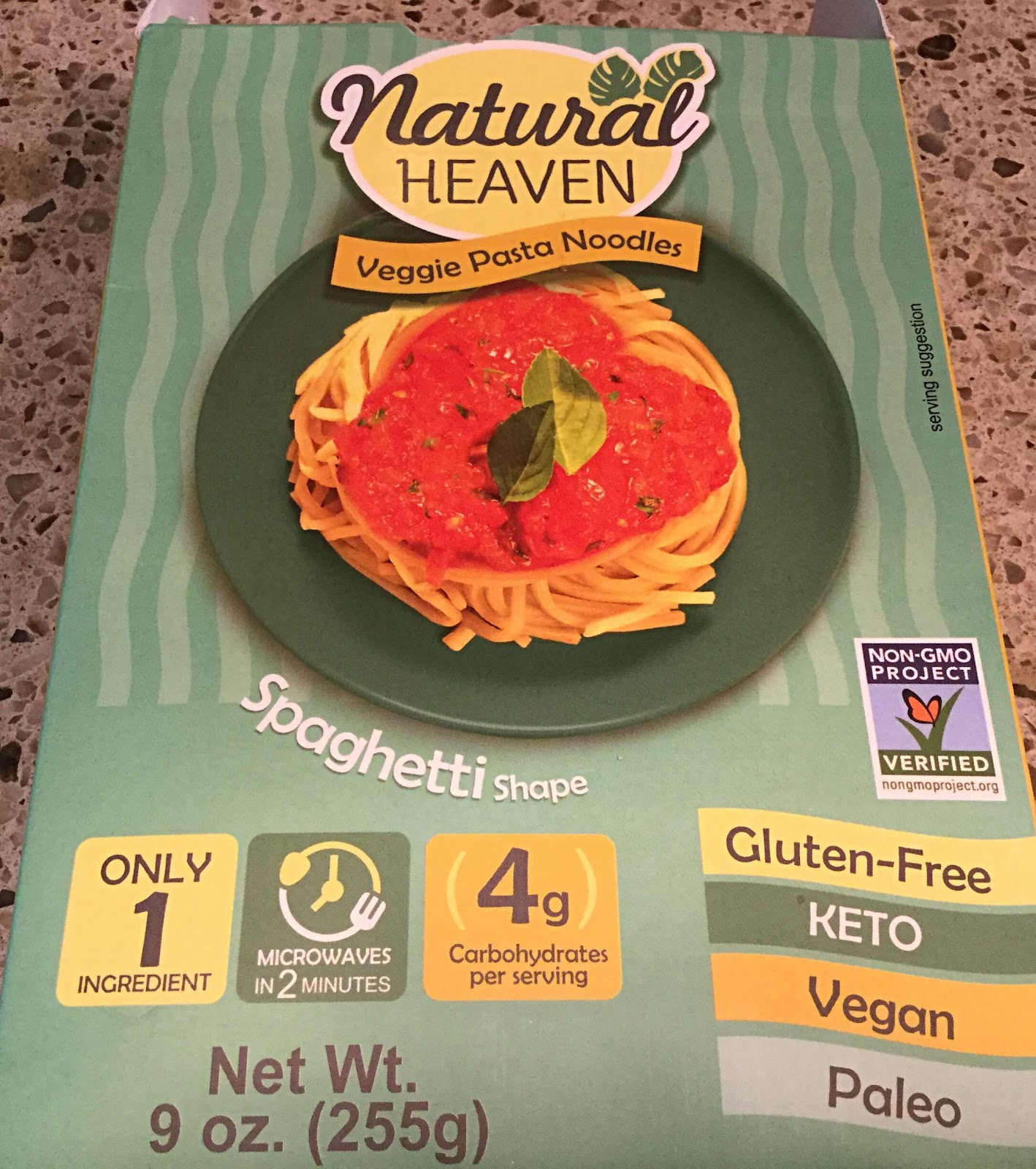
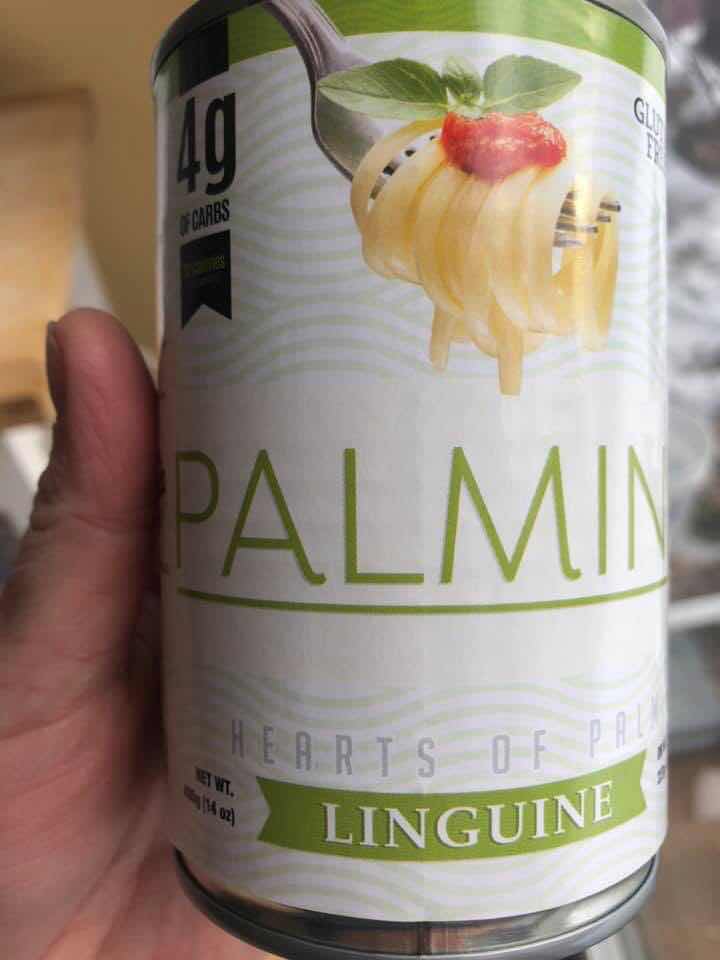
If you’re a diabetic and celiac and love pasta, your options are limited. For many years, I spirialized zucchini to make noodles or used shiritaki noodles, but I’ve since discovered noodles made from hearts of palm that are only 4 grams of carb per serving! They are far superior to any of the low carb options available and now they’re my go-to pasta alternative. There are two brands I recommend: Palmini brand, which can be purchased at WalMart, Costco, Sprouts, some other stores and online. My favorite that comes in spaghetti style is made by Natural Heaven and can be purchased on Amazon or on the company’s website.

Palmini Hearts of Palm Noodles
Natural Heaven Hearts of Palm Noodles
This recipe is excellent served alone as a vegetarian main or side dish, or served with fish or chicken. If you miss pasta, I highly recommend you give hearts of palm noodles a try soon!

Keto Lemon Pasta
Makes 2 servings

Sea salt or freshly ground pepper
1 package hearts of palm spaghetti or linguine noodles (9 oz)
4 tablespoons butter (1/2 stick)
1/4 cup heavy cream
Zest and juice of 1 lemon
Fresh chopped parsley for garnish
Shredded Parmesan cheese for garnish

1. Boil the hearts of palm noodles in salted water for a few minutes to soften.

2. Meanwhile, melt the butter in a large skillet. Add the zest and juice of one lemon, salt and pepper to taste and bring to a simmer. Add the heavy cream and continue to simmer until sauce is reduced and thickened slightly. When the sauce has thickened, strain the noodles and add them to the sauce. Toss the noodles in the sauce until well coated. If needed, continue to simmer until sauce reaches your desired consistency.

3. Divide the noodles and sauce between two serving plates. Garnish each with fresh parsley and parmesan. Serve immediately. (Store leftovers in an airtight container and refrigerate for up to five days. To reheat, gently warm in a covered, oven-proof dish at 350 degrees F for 25-30 minutes.)

Nutritional Information per serving (1/2 recipe): 347 calories, 7.6 g carbohydrate (2.9 g dietary fiber, 2 g sugars), 35.4 g total fat (21.8 g saturated fat), 102 mg cholesterol, 219 mg sodium, 36.5 mg calcium, 183 mg potassium, 352 mg Vit A, 16 mg Vit C, 2.1 g protein. Net carbs per serving: 4.7 grams

Photos and recipe by Kathy Sheehan, copyright 2019
All rights reserved. Please do not duplicate without the author’s permission.
Wednesday, February 13, 2019

Low Carb Linguine Al Forno (Baked Linguine) with Pancetta, Mushrooms and Radicchio

Low Carb Linguine Al Forno
This looks like a plate of cheesy pasta, doesn’t it? It tastes like it, too! Instead of wheat pasta, this fabulous dish uses noodles made from hearts of palm that are extremely low carb and gluten free. I’ve tried various low carb noodle substitutes, but these are the best, by far. (I used Palmini linguine noodles for this recipe.) Hearts of palm noodles have very little flavor on their own, but they absorb and take on the flavor of whatever sauce or other ingredients you pair them with...in this case, three types of creamy cheese, smoky pancetta or bacon, earthy mushrooms and spicy radicchio! You think you’re eating cheesy pasta, when in reality you’re eating mostly vegetables! If you haven’t given hearts of palm noodles a try, this incredible baked linguine recipe will win you over!

Low Carb Linguine Al Forno (Baked Linguini) with Pancetta, Mushrooms and Radicchio
Makes 4 servings

4 ounces pancetta or bacon, chopped
4 ounces shiitake or baby Bella mushrooms, cleaned and sliced
1/8 teaspoon sea salt
1-1/2 cups (about 1 small head) radicchio, finely chopped
1 cup heavy cream
1/2 cup grated parmesan, divided
1/2 cup fontina cheese, roughly shredded
1/4 cup crumbled gluten free Gorgonzola or blue cheese
3 leaves fresh sage, chopped (or 1 teaspoon fresh thyme)
Salt and pepper to taste
16 ounces hearts of palm noodles, linguini style (cut into smaller pieces, optional)
2 tablespoons olive oil

1. Before preparing the dish, cut up the hearts of palm noodles into 1-inch pieces (optional), rinse with water and then place the drained noodles into a large bowl. Cover with milk (or your favorite milk alternative) and allow to sit for 30 minutes. Drain and discard milk and rinse the noodles with water again before proceeding. (This step is a tip I received from the manufacturer of the Palmini hearts of palm noodles I used for this recipe and is optional, but it helps to mellow the flavor of the noodles.)

2. Preheat the oven to 500 degrees Fahrenheit. Bring a large saucepan of salted water to boil.

3. Remove the stems from the mushrooms and reserve for another use. Slice the mushroom caps into 1/4-inch slices; set aside.

4. Heat the pancetta in a large skillet over medium heat until well browned and crisp. Remove with a slotted spoon onto a plate lined with paper towels; set aside.

5. Add the mushrooms to the hot oil in the skillet and sprinkle with 1/8 teaspoon salt. Saute over medium heat, stirring frequently, until they are cooked through and beginning to brown, 3-5 minutes.

6. In a large bowl, combine the mushrooms, pancetta, radicchio, cream, fontina, 1/4 cup parmesan, Gorgonzola or blue cheese crumbles, sage or thyme, and season with salt and pepper to taste.

7. Boil the hearts of palm noodles for a few minutes until hot, drain and add to the ingredients in the mixing bowl. Toss well to combine. Divide the noodle mixture equally among four buttered individual gratin dishes or pour the entire mixture into a buttered casserole dish. Sprinkle the top with the remaining 1/4 cup parmesan cheese and drizzle with the 2 tablespoons of olive oil. Bake in the hot, preheated oven until bubbly and browned on top, about 20 minutes. Serve immediately.

Low Carb Linguine Al Forno
Nutritional Information per serving: 432 calories, 8.1 g carbohydrates (3.9 g dietary fiber, 1.2 g sugars), 42 g total fat (21.9 g saturated fat, 0 g trans fat), 127 mg cholesterol, 991 mg sodium, 243 mg calcium, 155 mg potassium, 1 mg iron, 17.1 g protein. Net carbs per serving: 4.2 grams

Photos and recipe by Kathy Sheehan, copyright 2019
All rights reserved. Please do not duplicate without the author’s permission.
Friday, October 27, 2017

Low Carb Macaroni and Cheese (Gluten Free)

Macaroni and Cheese
I must admit that I created a masterpiece tonight! I made a low carb “macaroni” and cheese casserole that only has 4 carbs (2 net carbs) per serving. It was spectacular! The sauce was so creamy and the “noodles” absorbed the cheezy deliciousness perfectly. The ingredient used to replace regular wheat pasta in my recipe was Palmini Linguine Noodles (made from hearts of palm), which I purchased on Amazon (see photos below). These “noodles” have been an excellent low carb replacement for pasta in many of my favorite dishes, but this one may win the prize! They’re a bit pricey, but worth it in my opinion because their texture and mild taste work so well in pasta recipes. Give them a try. I think you’ll be pleased, too.

Low Carb “Macaroni” and Cheese (Gluten Free)
Makes 4 servings

1 tablespoon organic butter
A pinch of salt
White or black pepper to taste
1/4 teaspoon dry mustard powder
1/2 teaspoon Worcestershire sauce
3/4 cup organic heavy cream
1/4 cup water
1/4 - 1/2 teaspoon Thick-It-Up (or organic xanthan gum), enough to thicken
1/4 pound organic sharp cheddar cheese, shredded (4 oz.)
One 16 oz. can Palmini Linguine Noodles (hearts of palm), cut into 1” pieces
1/4 cup additional organic cheddar cheese, shredded
Paprika

1. Preheat oven to 350 degrees Fahrenheit. Melt the butter in a saucepan and add the salt, pepper, dry mustard powder, Worcestershire sauce, cream and water. Whisk to combine and bring to a boil, stirring occasionally. Slowly sprinkle in the Thick-It-Up or xanthan gum while whisking constantly until mixture thickens. Stir in the 4 ounces of shredded cheddar cheese and whisk until the cheese has melted and sauce is smooth.

2. Drain and rinse the Palmini noodles in a colander and pat with paper towels until most of the excess moisure is removed. Use scissors to cut the noodles into 1-inch pieces. Add noodles to the cheese sauce and stir until well coated.


3. Pour the noodle-cheese mixture into a 2-quart baking dish or into four individual ramekins. Sprinkle the additional shredded cheese over the top and dust with paprika. Bake in the preheated oven for 25 minutes until piping hot, bubbly and the top is browned. Serve immediately. 

Note: You can prepare the casserole several hours to a day ahead, cover and refrigerate until ready to bake. It’s best served immediately after baking.

Nutritional Information per serving (1/4 recipe): 230 calories, 4.5 g carbohydrate (2.1 g dietary fiber, 0.2 g sugars), 22.1 g total fat (12.8 g saturated fat, 0 g trans fat), 72 mg cholesterol, 339 mg sodium, 189.2 mg calcium, 43 mg potassium, 722 mg Vit A, 8.5 g protein. Net carbs per serving: 2.4 grams

Photos and recipe by Kathy Sheehan, copyright 2017
All rights reserved. Please do not duplicate without the author’s permission. 
Wednesday, April 26, 2017

Low Carb Zucchini Lasagna (or Hearts of Palm)


It's been eight years since I posted a lasagna recipe and, now that I'm living gluten and grain free, it's time for an updated version. My husband brought home two gorgeous, organic zucchini the other day and my plan was to spiralize them and make spaghetti. But because today was a cold and rainy spring day in Maine, I decided to make a warm and comforting baked lasagna instead. Instead of pasta noodles, I cut my zucchini lengthwise into narrow slices and used them between the layers of cheese and sauce. (You can substitute hearts of palm noodles in place of the zucchini.) It's important to place the zucchini slices between paper towels and leave at room temperature for at least an hour (or longer) to allow the moisture to be drawn out of this watery vegetable before assembling the casserole. The ricotta cheese mixture and meat sauce can be made a day or two ahead so, when it's time to assemble and bake, the prep time is minimal. Whether made with zucchini or hearts of palm noodles, this recipe is definitely a keeper! The lasagna was so delicious and, because it is a complete and balanced meal by itself, you don't even need to worry about a side dish. Keep life simple!

Low Carb Zucchini Lasagna (or Hearts of Palm)
Makes 6 servings

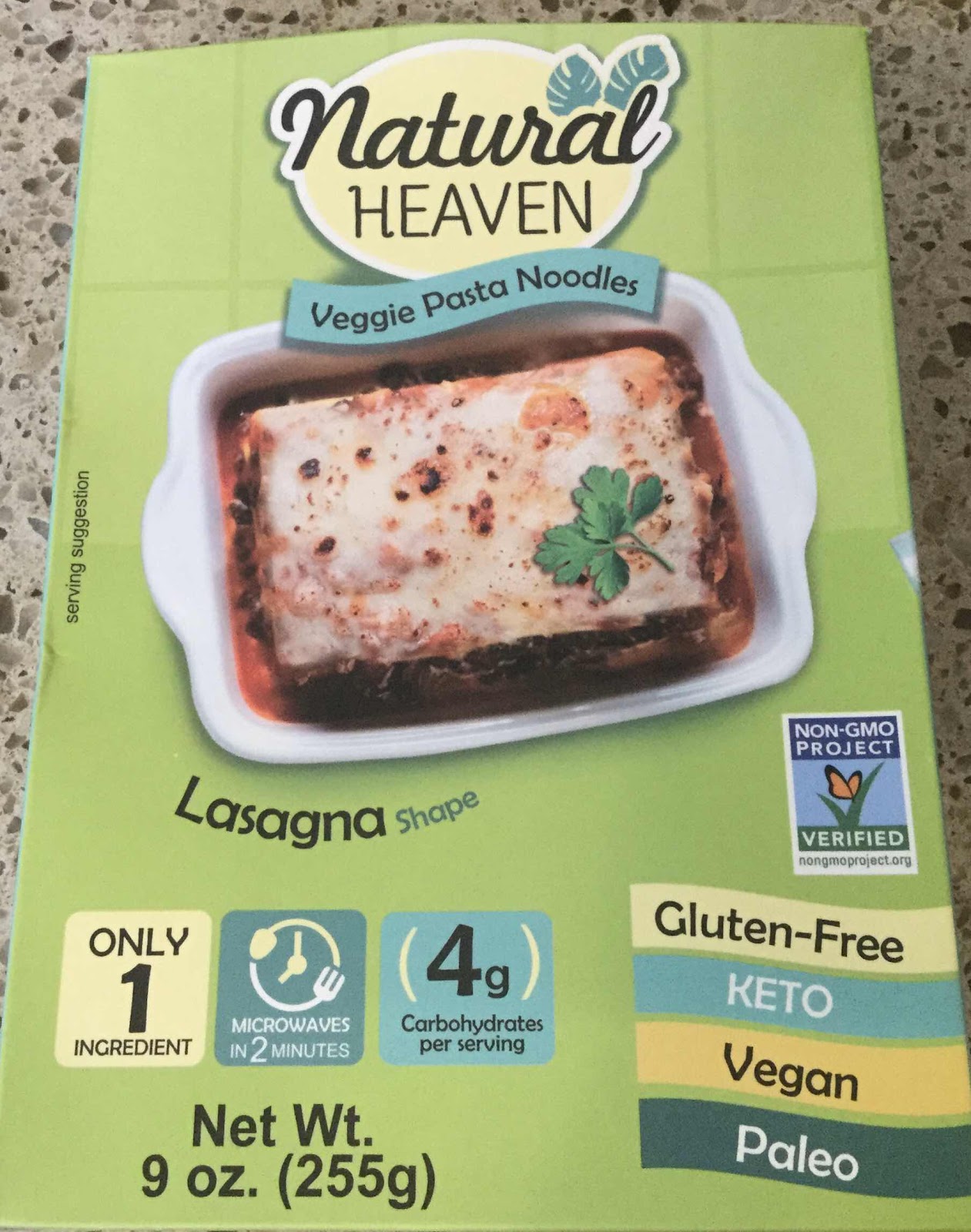
2 large zucchini, about 9 inches long or 9 oz package of hearts of palm lasagna noodles (drained, rinsed and dried), such as Palmini or Natural Heaven brand)
1 cup shredded mozzarella cheese

Ricotta Cheese Filling:
15 oz. of whole milk or part-skim ricotta cheese
1 cup of chopped fresh spinach (or 1/2 cup frozen, squeezed and drained of moisture)
1/4 cup grated Parmesan cheese
1/2 teaspoon dried basil
1 teaspoon of Italian herb seasoning
1/8 teaspoon nutmeg
1/4 teaspoon black pepper
2 cloves garlic, minced (or 1/2 teaspoon garlic powder)
1 egg, slightly beaten

Meat Sauce:
3/4 pound of sweet Italian sausage, casings removed (or substitute ground beef)
2 cups marinara or your favorite pasta sauce, no sugar added

1. Prepare the zucchini ahead of time by slicing lengthwise into thin slices (about 3/16-inch wide). If you have one, a mandoline works well to make even, thin slices, otherwise cut with a large knife. Lay the slices in a single layer on several layers of paper towel, sprinkle very sparingly with salt and cover with several more layers of paper towel. If desired, you can place a baking sheet over them and weight it with canned goods or other objects. Allow the zucchini slices to remain at room temperature between the paper towels for at least one hour (or longer) to draw out the excess moisture. Wipe off any excess salt before assembling the lasagna. (If using hearts of palm noodles, you can skip this step.)
Step by Step Pictorial

2. In a medium bowl, mix together the Ricotta Cheese Filling ingredients and stir until well combined. Set aside. (If making ahead, refrigerate until you're ready to assemble the lasagna.)

3. In a large skillet, brown the sausage and add the pasta sauce. Stir to combine and set aside. (This can be made ahead and refrigerated, if desired.)

4. Preheat oven to 375 degrees Fahrenheit. To assemble the lasagna, spray a baking pan with non-stick spray or grease with coconut oil or butter. Spoon in about 1/2 cup of the pasta sauce (no sausage) and spread to cover the bottom of the pan. Lay down a layer of the zucchini slices or hearts of palm noodles, overlapping just slightly, until the bottom of the pan is covered. Spread 1/3 of the ricotta filling over the zucchini or noodles and spread into an even layer, covering the slices. Top with 1/3 of the meat sauce and spread to edges. Sprinkle sauce with 1/4 cup shredded mozzarella cheese.

5. Repeat with a layer of zucchini slices or noodles, 1/3 of the ricotta filling, 1/3 of the meat sauce and 1/4 cup mozzarella.

6. Repeat a final time with a layer of zucchini slices or noodles, the remaining ricotta filling, the remaining meat sauce and sprinkle with the remaining 1/2 cup mozzarella.

7. Cover with the pan lid or tightly with foil (spray the foil with non-stick spray to prevent the cheese from sticking). Bake for 50-60 minutes. Remove foil and continue baking for 10 minutes until cheese is bubbly and beginning to brown. Remove from oven and allow to rest for at least 10-15 minutes before slicing and serving.

Natural Heaven Hearts of Palm Lasagna Noodles
Nutritional Information per serving made with zucchini (1/6th of recipe): 482 calories, 14 g carbohydrate (3 g dietary fiber, 6.8 g sugars), 36.6 g total fat (15.5 g saturated fat, 0 g trans fat), 120 mg cholesterol, 968 mg sodium, 376 mg calcium, 560 mg potassium, 277 mg Vit A, 1 mg iron, 26.8 g protein. Net carbs per serving: 11 grams

Nutritional Information made with hearts of palm noodles (1/6th of recipe): 478 calories, 10.1 g carbohydrate (1.7 g dietary fiber, 3.4 g sugars), 36.2 g total fat (15.4 g saturated fat, 0 g trans fat), 120 mg cholesterol, 981 mg sodium, 369 mg calcium, 386 mg potassium, 1 mg iron, 708 mg Vit A, 26.4 g protein. Net carbs per serving: 8.4 grams.

Photos and recipe by Kathy Sheehan, copyright 2017, updated 2020
All rights reserved. Please do not duplicate without author's permission.

Saturday, February 11, 2017

Zucchini Noodle Carbonara


The other day, my husband was reminiscing about our trip to Italy many years ago and dreaming about the excellent and authentic pasta carbonara he had there. Every time we talk about that trip, he brings up the carbonara! Tonight, I recreated this special dish for him. He had his over traditional pasta and I had mine over zucchini noodles. We were both delighted with the result! Carbonara is not particularly difficult to make, but can be tricky because, if you cook the egg-parmesan sauce at too high of a temperature, you get carbonara scramble instead of a creamy sauce, so be watchful. The thing I love most about this dish is that when served over zoodles and/or shiritaki noodles, it's an elegant and very low carb meal. I have provided the option to replace one of the zucchini with a package of shiritaki noodles. The shiritaki noodles absorb the sauce nicely and can provide a more noodle-like texture for those who may balk at the thought of an entire plate of vegetables! This low-carb carbonara is a great, quick meal when you want something spectacular that will impress, but don't want to spend too much time in the kitchen. It would make a wonderful Valentine's Day dinner!


Zucchini Noodle Carbonara
Makes 4 servings

4 spirialized zucchini (use spaghetti blade)
1 package Angel Hair shiritaki noodles (optional, but if using, reduce number of zucchini to 3)
4 ounces pancetta, cubed (or substitute bacon)
4 garlic cloves, minced
1 large egg
1/2 cup grated Parmigiano Reggiano cheese, plus more for serving
Freshly ground black pepper to taste
1 handful of fresh, flat-leaf parsley, chopped (or 1 TB dried)

1. In a heavy skillet over medium heat, brown the pancetta or bacon until crispy. Add the garlic and sauté for 1 minute. With a slotted spoon, remove pancetta and garlic to a paper towel-lined plate; set aside. Reduce heat to low. Remove all but about 2 TB of the grease in the skillet and add zucchini noodles. Sauté uncovered, stirring occasionally, to soften the zoodles and allow the zucchini to release some moisure.

2.  Place the drained and rinsed shiritaki noodles (if using) into another dry pan or skillet and stir frequently over high heat until the moisture has evaporated. Remove from heat; set aside and keep warm.

3. When the zoodles are suffiencently soften to your liking, remove skillet from heat and allow to sit while you prepare the sauce ingredients (this is important!). Add the shiritaki noodles and toss to mix. In a small bowl, mix together the 1/2 cup grated cheese and egg; add to the noodle mixture, stirring constantly, until noodles are well coated.  The residual heat from the skillet and noodles will cook the egg. Do not overcook! (If you see the egg beginning to seize up and scramble, immediately remove mixture from heated pan to prevent further cooking.) The sauce should be creamy and smooth. Season the carbonara with black pepper. Mound the carbonara into individual dishes, garnish with chopped parsley and serve immediately.  Pass extra shredded or grated cheese around the table.

Nutritional information per serving (1/4 recipe): 209 calories, 9 g carbohydrate (2.2 g dietary fiber, 5.2 g sugars), 13.7 g total fat (5.5 g saturated fat, 0 g trans fat), 186 mg cholesterol, 470 mg sodium, 191.8 mg calcium, 597 mg potassium, 14.2 G protein. Net carbs per serving: 6.8 grams

Recipe by Kathy Sheehan, copyright 2017
All rights reserved. Please do not duplicate without author's permission.

Saturday, October 1, 2016

Butternut Squash Noodles Topped with Sausage and Brussel Sprouts

Today was cloudy, dark and cold...in other words, a perfect Maine autumn day to stay in and nap! It was so hard to get motivated to make a healthy meal tonight. My almost bare refrigerator didn't help matters either. So, I forced myself to go down to the local Farm Stand with the challenge of making dinner from whatever they had available. I hit the jackpot! Beautiful winter squashes, fresh brussel sprouts, apples, last-of-the-season green beans and zucchini, locally made marinaded beets, broccoli, a sweet potato and a bunch of romaine--all locally grown, even some organic Sweet Italian Sausage! I'm set for a few days. Tonight's dinner was spontaneous and quick to throw together, but so delicious! The addition of fresh, slivered sage from my herb garden really made the dish POP! This meal is a wonderful combination of fall flavors.

Butternut Squash Noodles Topped with Sausage and Brussel Sprouts
Makes 2 servings

2 teaspoons coconut oil
1 organic Sweet Italian sausage link, casing removed
1-1/2 cups of chopped or slivered brussel sprouts
3 cups of spiralized butternut squash noodles
2 tablespoons butter
4 fresh sage leaves, rolled and then cut into slivers (chiffonade)
Salt and pepper to taste

1. Spiralize the butternut squash into spaghetti-length noodles and chop the brussel sprouts; set aside.

2. In a large, heavy skillet over medium heat, add the coconut oil and sausage. Break up and cook the sausage, add the brussel sprouts and sauté until the brussel sprouts are tender-crisp and beginning to turn golden.  Remove this mixture to a plate and set aside while you cook the noodles.

3. Turn the heat to medium-low and add the butter to the skillet. Allow the butter to brown slightly before adding the butternut squash noodles to the pan. Sauté until the squash begins to soften and add the sage, salt and pepper.  Stir frequently, allowing the sage to crisp up a bit by "frying" in the hot butter. When the noodles are sufficiently softened, but not limp, divide the noodle mixture between two serving plates.

4.  Turn up the heat to medium and add the sausage mixture to the skillet for a minute or two to heat through. Spoon over the butternut squash noodles and serve immediately.

Nutritional Information per serving: 338 calories, 23.7 g carbohydrate (5.5 g dietary fiber, 4.6 g sugars), 24.3 g total fat (11.6 g saturated fat, 0 g trans fat), 70 mg cholesterol, 470 mg sodium, 125.8 mg calcium, 764 mg potassium, 10.3 g protein.  Net carbs per serving: 18.2 grams

Recipe by Kathy Sheehan, copyright 2016
All rights reserved. Please do not duplicate without author's permission.

Sunday, June 15, 2014

Bolognese Sauce over Shirataki No-Carb Noodles


Zero net carbs, 15 calories per serving, gluten free noodles that can actually aid in blood sugar control?  I'll admit, I was skeptical.  Shirataki noodles sound too good to be true, but I'm an adventurous cook and always on the lookout for low carb ways to eat my favorite foods, so I gave them a try.  The verdict?  Very good!  You can find them in Asian markets or in your grocery produce section with tofu or vegetarian products.  They come in a water-filled pouch and are made from a high fiber root vegetable called konjac.  (The noodles also come in a variety that has been combined with tofu, but those have more carbs and a few more calories per serving.  I suggest purchasing the noodles that are soy-free.). When you open the package, strain the noodles in a fine mesh strainer and run hot water over them.  You can either boil them for a few minutes or dry pan fry them to improve their texture to be more like wheat noodles.  Simply spray a dry skillet with non-stick cooking spray and sauté for a few minutes on medium high heat until most of the moisture has evaporated and the noodles are dry.  Use them in recipes or top with your favorite sauce, like the meat sauce recipe below, which is one of my family's favorites.  The noodles are bland, have no flavor of their own and will take a backseat to the flavor of the other ingredients in the dish.  The best part is that they are quite filling!  By using these magic noodles, the carbs in this traditional pasta dish were slashed dramatically, from over 50 grams per serving to a mere 10 net carbs, including the sauce!  I'm amazed and delighted by this new find!

Low Carb Bolognese Sauce
Makes 6 servings

3 Tablespoons olive oil
1/2 onion, chopped
1 pound grass-fed ground beef
3 teaspoons minced garlic
26 ounces chopped tomatoes, with liquid (I use Pomi Italian tomatoes)
2 Tablespoons tomato paste
2 teaspoons dried oregano
1 teaspoon dried basil or 1 TB fresh, chopped
1 Tablespoon dried parsley or 1/4 cup fresh, chopped
1 bay leaf
Salt and pepper to taste

1.  In a large Dutch oven, heat the oil and add the chopped onion.  Add a dash of salt and sauté until onion is soft and translucent.  Add the ground beef and break apart into small pieces, stirring until the meat is cooked and no longer pink.  Add the garlic and sauté until fragrant.

2.  Add the tomatoes, tomato paste, herbs, and bay leaf.  Stir to combine. Cover and reduce heat to low.  Simmer, stirring occasionally, for 40 minutes.  Remove the cover and continue simmering for another 20 minutes or until thickened.  Add salt and pepper to taste.  Remove bay leaf and serve over boiled or dry pan fried shirataki noodles or your favorite pasta.

Nutritional Information per serving (for sauce only): 261 calories, 9.1 g carbohydrate (2.7 g dietary fiber, 5.2 g sugar), 18.4 g total fat (5.7 g saturated fat, 0 g trans fat), 50 mg cholesterol, 172 mg sodium, 23 mg calcium, 88 mg potassium, 15.4 g protein.  Net carbs per serving: 6.4

Recipe by Kathy Sheehan, copyright 2014

Tuesday, April 29, 2014

Zucchini "Pasta" Primavera


This "pasta" dish is not pasta at all!  It is a delicious, creamy primavera with pancetta over zucchini noodles.  Using a spiral slicer, mandolin or box grater (shred lengthwise), it is easy to create vegetable noodles (see my earlier post to learn how).  Using vegetable noodles (by themselves or mixed with a little gluten free pasta) is one of my greatest carb-lowering tricks.  My pasta-lovin' non-diabetic husband was completely satisfied with this amazing meal and didn't miss the carbs, at all.  I think you'll agree and, like me, return to this healthy recipe again and again.

Zucchini "Pasta" Primavera
(Makes 4 servings)

1/2 TB olive oil
2 large zucchini, made into noodles (about 6 cups)
3 oz. pancetta, diced (omit for meat free version)
1-1/2 cups asparagus, cut into 1" pieces
1-1/2 cups broccoli florets
1/2 large onion, chopped
3 cloves garlic, minced
2 plum tomatoes, diced
1 tsp dried oregano
1/4 cup fresh parsley, chopped (or 1 TB dried)
1-1/2 cups almond milk
2 TB gluten free flour
1/3 cup sour cream (for a dairy free version, use Tofutti)
1/4 cup grated Parmesan cheese (for dairy free, use finely crushed macadamias)
Salt and pepper to taste
2 TB shredded Parmesan cheese (optional topping)

1.  This dish comes together quickly, so have all the vegetables cut up and ready. In a large skillet, warm the olive oil over low heat. Add zucchini noodles, season with salt and pepper, cover and allow to steam until beginning to soften, stirring occasionally.  When noodles are just beginning to soften, remove from heat, drain and set aside.

2.  While the zucchini noodles are cooking, prepare the sauce in another skillet.  In a large skillet, cook pancetta over medium heat until fat is rendered and beginning to crisp.  (If not using pancetta, heat 2 TB olive oil.) Add asparagus and broccoli, sauté briefly and cover for a few minutes until vegetables are bright green and tender-crisp.  Using a slotted spoon, remove vegetables and pancetta to a medium bowl; set aside.

3.  Add onions and sauté until translucent.  Add garlic and oregano; sauté until fragrant.  Add gluten free flour and stir constantly until beginning to brown.  Remove from heat and add almond milk while stirring constantly, stir until smooth.  Return to heat and continue cooking and stirring until sauce boils and thickens.  Return vegetables and pancetta to pan.  Add the tomatoes, sour cream, 1/4 cup grated Parmesan cheese and parsley.  Stir until well combined.  Add salt and pepper to taste.

4.  Add the drained zucchini noodles to the skillet and stir until well coated with the sauce.  Serve immediately topped with shredded Parmesan cheese, if desired.


Nutritional Information per serving: 228 calories, 17 g carbohydrate (4.7 g dietary fiber, 7.2 g sugar), 13.4 g total fat (5.9 g saturated fat, 0 g trans fat), 28 mg cholesterol, 781 mg sodium, 346 mg calcium, 780 mg potassium, 13.2 g protein.

Recipe by Kathy Sheehan, copyright 2014


Thursday, March 13, 2014

Chickpea, Sausage and Kale Pasta


I am currently facilitating two groups for The Daniel Plan in my community.  The Daniel Plan is a faith-based program to encourage and support people on their journey to better health and wellness.  The members of both groups are wonderful!  We're helping each other move forward toward healthier eating and other lifestyle changes.  I am so inspired by their commitment and positive attitudes; together we are making it FUN!  At last night's meeting, we were talking about kale (one of my favorite subjects) and how to incorporate more dark greens into our diet.  This is a challenge for many people, including myself.  This recipe is one of my current favorites.  The blend of flavors is exciting on the tongue and so satisfying.  To make it have an even lower insulin response, I swap out half of the pasta with zucchini noodles (see my earlier post).  The taste will be almost the same, but the result even healthier!


Chickpea, Sausage and Kale Pasta
Makes 4 servings

4 oz. of gluten free spaghetti or linguine pasta, broken into thirds
1/2 pound of lean, sweet Italian Turkey Sausage, removed from casings
1/2 tablespoon olive oil
3 cloves garlic, chopped or minced
1 (14.5 oz) can of chickpeas (garbanzo beans), drained and rinsed
5 cups of raw, chopped kale
1/3 cup gluten free chicken stock
1/8 teaspoon grated nutmeg
Salt & pepper to taste
1 tablespoon lemon juice
1/4 cup grated Parmesan cheese*

1.  In a large saucepan, cook pasta according to package directions.  Drain and set aside.

2.  Meanwhile, in a heavy skillet over medium heat, add the olive oil.  Break up and cook the sausage meat until browned.  Add the garlic and saute briefly, until fragrant.

3.  Add chickpeas, kale and chicken stock to pan.  Cover and steam until kale begins to wilt, 1-2 minutes.  Remove cover and add nutmeg, salt, pepper, and lemon juice. Stir to distribute seasonings.  Add cooked pasta and Parmesan cheese*.  Stir to combine.  If more moisture is needed, add a splash of chicken stock and stir.  Serve immediately.

*For a dairy free version, use 1/4 cup finely chopped macadamia nuts instead of Parmesan.

Nutritional Information per serving: 351 calories, 44 g carbohydrate (0.7 g sugar, 7 g dietary fiber), 11.2 g total fat (2.6 g saturated fat, 0 g trans fat), 35 mg cholesterol, 1068 mg sodium, 218.6 mg calcium, 536 mg potassium, 21.1 g protein.

Recipe by Kathy Sheehan, copyright 2014

Sunday, January 19, 2014

Love Your Vegetables!


 It doesn't matter what diet you're on, the mantra is the same: Eat more fresh fruits and vegetables!  When I was first diagnosed with diabetes, that was the single, most difficult change I had to make.  Fruit was easy, although as a diabetic fruit is limited, but vegetables?  Not only did I not eat many vegetables, especially those leafy greens or cruciferous vegetables (like broccoli or cabbage), I struggled to eat more than one serving per day!  My attitude and eating habits have changed dramatically since those days, but not without a struggle, a few setbacks and a lot of creativity.

After winning the war against vegetables, I now admit I have a love affair with them!  I eat them at every meal, including breakfast.  I hide them in everything and sometimes I have fooled myself into believing that I'm not even eating them, when my entire plate is heaping with nothing but vegetables!  I even taught a cooking class in my community where I convinced other skeptics how to love their vegetables.  This blog is FULL of dozens of vegetable recipes, but in this post (and more to come later) I wanted to share some of my favorite toys that make incorporating more vegetables into my diet super fun, easy and delicious.  These tools, tips and recipe ideas just might make a believer out of you, too.


MY NEW TOY!


A Spiral Vegetable Slicer/Cutter: Inexpensive, no electricity needed, easy to use and clean, available online (Amazon or other sites) and as fun as playing with a Playdoh machine!  I use the Paderno brand, but there are others available. Usually several different blades come with it that quickly and easily make vegetable noodles, spiral ribbons of fruit or vegetables and curly vegetables for oven baking (think Sweet Potato Fries!)  One of my favorite ways to use this low-tech kitchen tool is to make vegetable noodles for either a main dish or side dish.  Vegetables I've used and recommend for noodles are: butternut squash, zucchini, parsnips, eggplant and carrots (if they're fat and big).  Quick Tip: Use any leftover vegetable or fruit pieces in your morning green smoothie.

RECIPE IDEA: Make zucchini noodles using a spiral slicer (plan on one per person, or two if they're small).  Cut any long strands into pasta-length; set aside.  Heat your favorite marinara sauce in a large saucepan.  Add the zucchini noodles and heat until noodles are cooked through and begin to soften, about 8-10 minutes.  Serve with grated Parmesan cheese.  (see photo at top of this post)

Carb Cutting Tip for Vegetable Skeptics: If a heaping plate of delicious zucchini noodles sounds too weird for you, try adding a small serving of your favorite spaghetti pasta cooked and drained according to package directions to the recipe.  (If you're watching gluten, choose a gluten free pasta.)  Cut the amount of pasta you'd normally use by at least half (or more) and add to the zucchini noodles and sauce at the end of cooking, stir until well combined and serve.  As you twirl both types of noodle onto your fork and eat, your taste buds will be fooled into thinking you're getting an enormous serving of naughty, carb-ladened pasta, when the truth is really that you're eating mostly healthy vegetables resulting in a minimal spike to your blood sugar!

LOVE YOUR VEGETABLES!

Thursday, December 30, 2010

Limoncello Pasta

My husband and I spent a wonderful week in Rome about a month ago and I'm still dreaming about the incredible Lemon Pasta we had at La Sacarestia near the Pantheon (twice). Yesterday, I was thumbing through a fun Trader Joe's cookbook I received for Christmas from my sister and was intrigued by one of the recipes. It was pasta topped with a lemon-vodka sauce, which sounded like it might be similar. The only problem was that it called for an entire container of mascarpone cheese as a base for the sauce! Knowing it would be too high in saturated fat, I began thinking of a way to lighten the dish. I happen to have a bottle of limoncello liqueur in the fridge and thought it might boost the lemon flavor, as well. To make a long story short, let me just say that I may have found the perfect combination of ingredients and portion size that will allow me to feast on my Roman Lemon Pasta more often! It goes very well with simple, grilled chicken breasts or tenders. A side of sauted spinach completed this healthy, quick and delicious meal.

Limoncello Pasta
(Makes 4 side-dish servings)

4 oz. dry angel hair pasta (I used Dreamfield's)
1 tablespoon unsalted butter
1½ tablespoon all-purpose flour
2/3 cup chicken stock, warmed in microwave
Zest from one lemon
Juice from one lemon
1½ tablespoons limoncello liqueur
¼ cup mascarpone cheese
1 teaspoon dried basil leaves
Salt & freshly ground pepper to taste

1. Prepare the pasta according to package directions.

2. Meanwhile, in a medium saucepan, melt the butter. Add the flour, whisk and cook for about 45 seconds. Slowly add the warmed chicken stock while whisking constantly. Bring to a boil and reduce heat to a simmer. Cook, stirring frequently, until thickened. Add the lemon zest, juice, limoncello, mascarpone cheese, basil, salt and pepper. Stir until cheese has melted and mixture is smooth.

3. Drain pasta and toss with lemon sauce. Serve immediately.

Nutritional Information per serving: 203.2 calories, 25 g carbohydrate, 9.5 g total fat, 5.2 g saturated fat, 77.4 mg sodium, 2.7 g fiber, 4.9 g protein.

Original recipe by Kathy Sheehan, copyright 2010

Added 1/10/11:
I wanted to make this dish for an Italian Potluck reunion of my Rome traveling friends. To make this dish for a crowd and more portable, I first chose to use penne pasta instead of angel hair. I tripled the recipe, boiled the pasta for only 5 minutes, combined it with the sauce and poured it into a 13"x9" casserole dish. I topped it with a mixture of ½ cup breadcrumbs mixed with lemon pepper and 2 tablespoons olive oil. I baked it in a 400-degree oven for about 25 minutes. This variation makes 12 side dish portions.

Saturday, August 7, 2010

Summer Garden Pasta Alfredo

Prior to my diagnosis of T2 diabetes, my meal of choice at my favorite Italian restaurant would most often be Fettuccine Alfredo. I love that creamy, cheesy sauce over the soft noodles. But, if you look at the nutritional information per serving of the traditional recipe (see below), it's no wonder I ended up with a digestive medical illness! That doesn't change the fact that I love Pasta Alfredo and have cravings for it occasionally.

This recipe makeover really satisfies my longing for noodles and creamy cheese sauce. It includes lots of high-fiber, nutritious vegetables that are abundant in backyard gardens and farmer's markets right now. If you've run out of ways to serve zucchini and tomatoes, try this recipe! Here's my daughter's comment at the dinner table last night that says it all: "If I was served this at Olive Garden, I would think it was great! It tastes like the real thing to me."

Summer Garden Pasta Alfredo
(Makes 5 servings)

1 zucchini, quartered and sliced
1 yellow summer squash, quarter and sliced
¼ cup finely chopped onion
1 package frozen broccoli florets or 3 cups fresh
1 tablespoon flour
6.5 oz. soft cheese spread, garlic and herb flavor (I used Alouette)
1-2/3 cups skim milk or Hood Calorie Countdown Dairy Beverage
½ cup grated Parmesan cheese
2 tablespoon torn fresh basil (or 2 teaspoons dried)
1 tablespoon chopped fresh parsley (or 2 teaspoons dried)
2 plum tomatoes, seeded and chopped
Salt and pepper to taste
6 oz. dried carb-friendly spaghetti pasta (I used Dreamfields)

1. Cook pasta according to package directions.

2. In a large non-stick skillet sprayed with non-stick cooking spray, saute the first four ingredients until tender-crisp. Add flour and cook for 30 seconds. Add cheese spread and stir until melted. Add milk and stir to combine. Cook, stirring frequently, until bubbly and thickened. Add Parmesan cheese, herbs, tomatoes, salt and pepper. Stir and cook until heated through.

3. Place drained spaghetti into a large serving bowl. Pour sauce and vegetables over the top and toss until noodles are coated. Serve immediately.

Nutritional Information per serving: 303.2 calories, 37.8 g carbohydrate, 10.9 g total fat, 7.2 g saturated fat, 386 mg sodium, 5.8 g fiber, 16.4 g protein.

Original recipe by Kathy Sheehan, copyright 2010

How does this recipe compare with traditional Pasta Alfredo? Traditional Alfredo is made with loads of butter and heavy cream and doesn't have the benefit of added vegetables. This healthier recipe is seriously lower in calories, carbohydrate and saturated fat. For comparison, the nutritional information for a lunch-size portion of Fettuccine Alfredo at a favorite Italian restaurant chain is an astonishing 800 calories, 69 g carbohydrate, 48 g total fat, 30 g saturated fat, 810 g sodium, 4 g fiber, 23 g protein.

Sunday, May 16, 2010

Chicken Caprese Pasta

Here is an outstanding pasta dish that is extremely flavorful and healthy. The trick to reducing the carbs from pasta is to take a small amount and stretch it. In this recipe, only 3 ounces feeds four people, but you'll not feel deprived at all! The plum tomatoes make this dish especially fresh tasting, light and delicious but, if time is an issue, you can substitute petite diced from a can and eliminate the salt.

Insalata Caprese is the inspiration for this pasta dish. Traditionally, it is a combination of sliced tomatoes, buffalo mozzarella and basil. Also, a balsamic dressing is common. I've added more vegetables to the fresh tomatoes to boost the nutrition and created a balsamic-tomato sauce that brings it all together beautifully. Looking for a meatless meal? Simply leave out the chicken and enjoy.

Chicken Caprese Pasta
(Makes 4 servings)

3 ounces dry spaghetti or angel hair pasta (I recommend Dreamfield’s)
1½ teaspoons olive oil, divided
6 ounces chicken tenders (about 4 tenders)
4 cups seeded and chopped plum tomatoes (about 6 tomatoes)
1 cup chopped onion
2 cloves garlic, minced
½ cup zucchini, quartered and sliced (½ medium zucchini)
3 cups baby spinach leaves
3 tablespoons fresh basil, rolled and sliced into ribbons (or 1 tablespoon dried)
¼ teaspoon salt, divided
Ground black pepper to taste
2 ounces fresh mozzarella, cut into cubes (or purchase small balls in the cheese section of your grocery)

Sauce Ingredients:
2 tablespoons tomato paste
2 tablespoons balsamic vinegar
1 tablespoon olive oil
3 tablespoons chicken broth

1. Cook pasta according to package directions. While water is boiling and pasta is cooking, heat 1 teaspoon olive oil in a large, non-stick skillet over medium-high heat. Add chicken and cook about 3 minutes per side until juices run clear; remove to plate and cool until it can be handled. Shred or cut into bite-size pieces; set aside.

2. Reduce heat to medium. Add the remaining ½ teaspoon olive oil to pan and add onion. Sprinkle with 1/8 teaspoon salt and cook until beginning to soften. Add zucchini and garlic; saute for 2 minutes, stirring occasionally. Add tomatoes and remaining 1/8 teaspoon salt and cook for 3-4 minutes, stirring occasionally.

3. While vegetable mixture is simmering, in a small bowl, mix together the sauce ingredients; set aside.

4. Add baby spinach to vegetables and cook until wilted. Add pepper, basil, drained cooked pasta, chicken and sauce mixture to skillet and toss until pasta is coated and vegetable sauce is well distributed. Remove from heat and add fresh mozzarella; stir to combine and serve immediately.

Nutritional Information per serving: 253 calories, 30 g carbohydrate, 8.3 g total fat, 2.2 g saturated fat, 4.6 g fiber, 285.5 mg sodium, 17.8 g protein

Original recipe by Kathy Sheehan, copyright 2010

Wednesday, February 17, 2010

Lemon Pasta Primavera

I am reading a book in which the author moved to Rome to live (and eat) after an agonizing divorce. As she strolls the winding streets of this magnificent city, dining in one tucked away restaurant after another, I am reminded of my two visits to Italy and all the wonderful food. The saying is, "You can't get a bad meal in Rome," and it's true! My husband, daughter and I found a wonderful little place not far from the Pantheon where my daughter ordered the most delicious Lemon Spaghetti. After one taste, I couldn't stop my fork from wandering over into her plate for more and more, until I had eaten at least half of her dinner. (Don't worry, I shared my Carbonara with her, so she didn't starve.) On a return trip to Rome a few years later, we found that restaurant again and I ordered my own plate of this never-to-be-forgotten pasta and savored every tangy mouthful.

Reading this book had me dreaming of that unique pasta dish again, so I had to think of a way to fit it into my food plan. Considering I rarely eat pasta anymore and will never sit down to a heaping plate of it again (until I return to Rome), I decided that a variety of fresh sauted vegetables and only a little pasta might just satisfy my craving. It worked! This makeover recipe has the exact, same tangy flavor that so captivated my senses in Rome and I feel good knowing it is made with healthier ingredients. You might also enjoy adding shrimp along with the vegetables to boost the protein. (Sadly, my husband is allergic to shellfish, so I had to leave it out.) The small amount of pasta interspersed among the beautiful plate of spring vegetables is just enough to make me think I'm eating the real deal! All I have to do is close my eyes and I'm back in Italy again.

Just an aside: If you're looking for a meatless meal this Lenten season, give this one a try. But I must warn you, if suffering and sacrifice is your main objective, then maybe save this recipe for another day because you will not feel deprived in any way while eating this!

Lemon Pasta Primavera
(Makes 4 servings)

Zest and juice of 2 lemons
3½ tablespoons + ½ teaspoon extra-virgin olive oil, divided
2½ ounces dry linguini or spaghetti noodles (I suggest Dreamfield's or Carba-Nada)
4 ounces sliced white mushrooms
½ small onion, thinly sliced
2 cups broccoli florets
1 small to medium yellow summer squash, cut into half-moons
1 small to medium zucchini, cut into half-moons
½ pound asparagus, cut into bite-size pieces (about 1½ cups)
2 cloves garlic, minced
1 teaspoon dried basil leaves
Salt and pepper
1/3 cup grated parmesan cheese

1. In a small bowl, mix together 3½ tablespoons olive oil, lemon zest and lemon juice; set aside. Prepare pasta according to package directions until just al dente.

2. Meanwhile, saute mushrooms in a large, dry, non-stick skillet until moisture has been released and evaporated. Add sliced onion, ½ teaspoon olive oil and a pinch of salt to pan. Continue cooking, stirring frequently, until onion is soft. Add broccoli, squashes, asparagus and garlic to pan and saute until vegetables are tender crisp. Add basil, olive oil & lemon mixture to pan and stir to combine. Add salt and pepper to taste.

3. Drain pasta and stir into vegetable mixture. Add parmesan cheese and toss to coat. Serve immediately.

Nutritional Information per serving (made with Dreamfield's pasta): 287.7 calories, 24.7 g carbohydrate, 18.7 g total fat, 3.7 g saturated fat, 5.7 g fiber, 12.7 g protein.

Original recipe by Kathy Sheehan, copyright 2010

How does this compare with traditional Lemon Spaghetti made from an authentic Italian recipe? The traditional recipe is loaded with saturated fat and carbs, without the benefit of vitamins and minerals from vegetables because a traditional recipe doesn't include any vegetables. Although its tart, lemony flavor may taste "light," do not be deceived. The nutritional information per serving of a traditionally prepared Lemon Spaghetti is an alarming 670 calories, 86 g carbohydrate, 27.2 g total fat, 13.5 g saturated fat, 4.6 g fiber, 25.5 g protein.

Tuesday, January 26, 2010

Multi-Use Spicy Turkey Tomato Sauce

My husband doesn't mind helping in the kitchen and enjoys cooking. One night, several weeks ago during the Christmas rush, I was so busy with my home-based business that I couldn't get away to make the spaghetti dinner I had planned. Happily, my husband stepped in and created the best, spiciest pasta sauce I've ever had. When I asked how he did it, he said he opened the spice cabinet and started adding whatever sounded good. His instincts were right on and the final result was a huge hit with my family. Since that evening, he's made his now-famous sauce a couple of times and tonight I stood by and took notes so I could share his fantastic recipe with you.

This is more than just pasta sauce with a kick. We've had it as Sloppy Joe's, over baked potatoes, and once as the base for a taco salad for lunch the next day! Because we start with lean ground turkey breast, it is extremely low in fat when compared with regular meat sauce made from beef. Normally, I find ground turkey to be bland or dry, but not in this recipe! So, open up your spice cabinet and be adventurous.

Multi-Use Spicy Turkey Tomato Sauce
(Makes 4 generous servings)

1 pound ground breast of turkey (99% fat free)
½ tablespoon olive oil
1 teaspoon oregano leaves, dried
¾ teaspoon garlic powder
1 teaspoon chives, dried
1 tablespoon parsley flakes, dried
½ teaspoon basil, dried
½ teaspoon chili powder
¼ teaspoon cayenne pepper
½ teaspoon garlic & black pepper
¼ cup chopped onions (or 1½ tablespoons dried chopped onion)
1/3 cup red wine
26 ounce jar spaghetti sauce (Marinara)

1. Heat olive oil on medium-high heat in a non-stick skillet. Add ground turkey and spices. Break up and stir often until meat is starting to brown. Add onions and continue cooking until meat is well browned. (If using dried onion, wait until marinara sauce has been added in next step.)

2. Add wine to deglaze pan and allow to simmer until almost completely evaporated. Add spaghetti sauce. Reduce heat to low and simmer until reduced and thickened, about 15-20 minutes.

Serving Suggestions (extras not included in nutritional information below): Serve sauce over pasta, cooked spaghetti squash or baked potato. It may be served on toasted hamburger buns as a Sloppy Joe. Add a can of drained and rinsed red kidney beans and it’s great as a topping on a taco salad.

Nutritional Information per serving of meat sauce (¼ of recipe): 262 calories, 20.4 g carbohydrate, 5.1 g total fat, 1 g saturated fat, 5.2 g fiber, 28.6 g protein.

Original recipe by Martin Sheehan, copyright 2010

Tuesday, November 10, 2009

Carb-Friendly Vegetable Lo Mein

I love eating at a Chinese restaurant and one of my favorite dishes is Vegetable Lo Mein, which is chinese noodles with the most heavenly sauce. One might think because it's a vegetarian dish with the word "vegetable" in the name that it would be a good choice. Sadly, it is high calorie, carb dense and contains a lot more noodles than vegetables. So, what's a diabetic to do? Give it up completely? Not when you can make it at home with this quick and easy recipe that tastes every bit as good! The trick is to swap out the high carb noodles for a lesser amount of a high quality, low-carb pasta and fill in with a mountain of delicious, stir fried vegetables. You can make your own sauce or use a teriyaki bottled sauce. My favorite is Stonewall Kitchen's Garlic Teriyaki Sauce which contains about the same nutritional totals as my homemade version and, when I'm in a hurry to get dinner on the table, that's what I use.

The best thing about this recipe is the amount of food per serving! This is not a skimpy portion size; you'll get a plateful of incredible, tender-crisp vegetables with a satisfying amount of pasta glazed with a delectable sauce. Feel free to add whatever vegetables your family likes best. It is out-of-this-world delicious! So, if you miss having your favorite Chinese noodle dishes, give this one a try and I think it will become one of your best loved recipes, too.

Carb-Friendly Vegetable Lo Mein
(Makes 2 servings)

1½ cups cooked reduced-carb pasta (I suggest Dreamfield's or Carba-Nada)
2 teaspoons olive oil
3 cups broccoli florets
2 carrots, sliced thin and cut into 2” pieces
1 small zucchini, sliced thin and cut into 2” pieces
½ small onion, cut into 1” chunks
4 stalks bok choy (white part) or 2 celery stalks, cut on the bias into ½” pieces

Sauce ingredients: (or use ¼ cup bottled teriyaki sauce*)
1 tablespoon reduced sodium soy sauce
1 tablespoon hoisin sauce
1½ tablespoons orange juice
1 tablespoon rice wine (mirin) or sherry
½ teaspoon toasted sesame oil
1 garlic clove, minced
½ teaspoon cornstarch

1. Prepare low carb pasta according to the package directions. If not using a bottled teriyaki sauce, mix together the sauce ingredients in a small bowl; set aside.

2. Meanwhile, heat olive oil on medium-high in a large non-stick skillet. Add carrots and celery and saute for 2-3 minutes until beginning to soften. Add remaining vegetables and continue to stir fry until tender crisp. Add sauce to pan and stir constantly until mixture has thickened slightly. Remove from heat. Drain cooked pasta and add to vegetable mixture and toss to combine. Serve immediately.

Nutritional Information per serving (½ of recipe): 234.5 calories, 39.1 g carbohydrate, 4.8 g total fat, 0.62 g saturated fat, 4.8 g fiber, 10.6 g protein

*I recommend Stonewall Kitchen Garlic Teriyaki Sauce. It has exceptional flavor and about the same nutritional information per ¼ cup as the recipe provided.

Original recipe by Kathy Sheehan, copyright 2009

How does this recipe compare with traditional Vegetable Lo Mein? This recipe is about half the calories and significantly lower in carbohydrates and fat. For comparison, the nutritional information for the same amount of traditional lo mein is 411 calories, 64 g carbohydrate, 11 g total fat, 2 g saturated fat, 4 g fiber and 5 g protein.

Friday, October 16, 2009

Pork Tenderloin with Leek and Mushroom Pan Sauce

This is a wonderfully rich tasting, but surprisingly light main dish that is perfect for company. Recently, I discovered another low-carb pasta that is delicious and much lower in carbohydrates than any I've ever tried, plus it has more fiber than whole wheat. It isn't often I splurge and eat pasta, but the nutritional content of Carba-Nada might just permit an occasional pasta meal to fit into my diet again! (If you can't find Carba-Nada, use Dreamfield's brand which is found in most supermarkets in the pasta aisle.)

Pork tenderloin is a lean meat and, when pounded into medallions, is quick cooking while remaining moist and incredibly tender. The sauted vegetables in this dish add a wonderful flavor to the creamy pan sauce. The leeks have a very mild onion taste without being too bold or overpowering and I find mushrooms to always be the perfect companion for sour cream. This recipe would be equally delicious made with turkey cutlets, chicken or even sole. I hope you'll give this savory, saucy meal a try soon and let me know what you think.

Pork Tenderloin with Leek and Mushroom Pan Sauce
served with Low-Carb Pasta
(Makes 4 servings)

1 pound pork tenderloin
Salt and freshly ground pepper
½ cup panko (Japanese bread crumbs)
2 teaspoons parsley, finely chopped
2 tablespoons olive oil
1 leek, white and light green portion, sliced
1½ cups mushrooms, sliced
2 teaspoons all-purpose flour
2 teaspoons Worcestershire sauce
2 tablespoons Marsala wine
½ cup + chicken stock
3 tablespoons light sour cream
6 ounces reduced-carb pasta (I suggest Dreamfield's or Carba-Nada)

1. Slice pork tenderloin into eight 1¼" slices and place cut side down onto plastic wrap. Cover with another piece of plastic wrap and pound each slice until about ½" thickness. Season both sides with salt and pepper.

2. In a 1 cup measure, place 2 teaspoons Worcestershire, 2 tablespoons Marsala wine, and enough chicken stock to reach ¾ cup mark; stir and set side.

3. If your panko is not finely ground, place it in a food processor and process until finely ground. Add chopped parsley, salt and pepper to season breadcrumbs. Lightly dredge pork tenderloin medallions in seasoned panko crumbs; set aside.

4. Boil water for pasta and prepare as directed on package. (If using Carba-Nada brand, it takes about 5 minutes, so add pasta to boiling water after pork medallions are browned and you are preparing pan sauce.)

5. Heat olive oil in a skillet over medium-high heat. Cook pork medallions about 3-4 minutes per side, until nicely browned. Remove to serving platter and cover with foil to keep warm.

6. Add leeks, mushrooms and a small amount of the chicken stock mixture to deglaze the bottom of the pan, stirring to loosen any brown bits from bottom of skillet. Saute leeks and mushrooms until beginning to soften, about 3 minutes. Sprinkle vegetables with 2 teaspoons of flour and cook for another minute. Add remaining chicken stock mixture to pan and stir to combine. Cook until bubbly and slightly thickened. Remove from heat and add light sour cream to sauce and stir until smooth and creamy.

7. Divide pasta equally among four serving plates. Top each with two pork medallions. Divide and spoon mushroom sauce equally over each.

Nutritional Information per serving with low-carb pasta: 369.7 calories, 33.1 g carbohydrate, 11.8 g total fat, 2.6 g saturated fat, 5.3 g fiber, 32.3 g protein.

Nutritional Information per serving of meat and sauce (no pasta): 264.7 calories, 15.1 g carbohydrate, 11 g total fat, 2.6 g saturated fat, 0.8 g fiber, 23.3 g protein.

Original recipe by Kathy Sheehan, copyright 2009

Tuesday, August 18, 2009

Summer Vegetable Lasagna

It was really too hot to cook today, but my friend had given me some beautiful, organically-grown summer squash from her garden and I desperately wanted to make this recipe. Luckily, it cooks in a dish just the right size to fit inside my toaster oven, so we didn't cook while it did! This is the time of year when zucchini are plentiful in the garden or readily available at the farm stand, so I assembled two lasagnas and froze one for some busy day in the future. (If you do the same, wrap well to prevent freezer burn. Also, to cook from frozen add another 30 minutes to the cooking time.)

Lasagna may sound difficult, but the "no-boil" noodles available make it super easy. You can find them next to the regular lasagna noodles in your grocery. They're thinner than the boiled variety, which is perfect for someone looking to reduce their carbs. Also, use whatever vegetables you have on hand to create your own version and enjoy this wonderful, comforting meal at any time of year!

Summer Vegetable Lasagna
(Serves 6)

1 (10 oz.) package of frozen chopped spinach (thaw or microwave for 5 minutes)
15 oz. part-skim ricotta cheese
¼ cup grated Parmesan cheese
1/8 teaspoon grated nutmeg
¼ teaspoon pepper
½ teaspoon basil, dried (or 1 teaspoon fresh, chopped)
1 egg, slightly beaten
2 cups No sugar added spaghetti sauce (I use Hunt’s brand)
1 teaspoon Italian herbs, dried
2 cloves garlic, minced
6 no boil lasagna noodles (I use Barilla)
1½ cups zucchini, quartered and sliced thin
1½ cups summer squash, quartered and sliced thin
1 cup part-skim mozzarella cheese, shredded

1. Preheat oven to 375-degrees. Spray an 8" x 8" glass baking dish with non-stick cooking spray; set aside.

2. If spinach is frozen, place in microwave-safe dish and microwave on high for 5 minutes. Place spinach in strainer and press out as much liquid as possible using the back of a spoon. If still warm from microwave, allow to cool for 15 minutes before proceeding.

3. Place cooled and drained spinach in a medium mixing bowl. Add ricotta cheese, Parmesan, nutmeg, pepper, basil and egg. Mix together with a fork until well combined; set aside.

4. To the spaghetti sauce, add the Italian herbs and garlic and stir to combine. Measure ¾ cup of the sauce into the baking dish and spread to coat the bottom. Lay two no-boil lasagna noodles side-by-side on top of the sauce. Spread ½ of the ricotta-spinach mixture over the noodles, being sure to spread mixture to edges of dish. Top with 1½ cups sliced squashes and distribute equally. Measure 6 tablespoons sauce over vegetables and spread to edges of dish. Sprinkle evenly with ¼ cup mozzarella.

5. On top of the cheese, lay two more lasagna noodles side-by-side, but going in the opposite direction than the first layer. Top with remaining ricotta-spinach mixture and the remaining sliced vegetables. Measure another 6 tablespoons of sauce over vegetables and spread to edges of dish. Sprinkle evenly with another ¼ cup mozzarella.

6. For the final layer, lay the last two lasagna noodles side-by-side, but again going in the opposite direction from the layer before. Top noodles with remaining sauce and sprinkle evenly with remaining ½ cup mozzarella cheese. (Note: Noodles will puff up during cooking, so you’ll want at least ½-inch free at top of dish to allow for this expansion.)

7. Spray foil with non-stick cooking spray and cover tightly. Bake for 50-60 minutes. Remove foil and bake for another 5-10 minutes until cheese is bubbly. Remove from oven and allow to cool for 10-15 minutes before serving to allow the filling to set.

Nutritional Information per serving (1/6th of recipe): 329 calories, 28.2 g carbohydrate, 13.9 g total fat, 7.2 g saturated fat, 4.4 g fiber, 22.4 g protein.

Original recipe by Kathy Sheehan, copyright 2009

How does this recipe compare to traditional lasagna? This lasagna is considerably lower in calories, carbohydrates and fats. For comparison, the lunch-size portion of traditional meat lasagna at a well-known Italian restaurant (only 4" x 4½" slice) is an astonishing 858 calories, 54 g carbohydrate, 47.4 g fat, 5 g fiber, 54 g protein.