Showing posts with label lemon. Show all posts

Friday, April 3, 2026

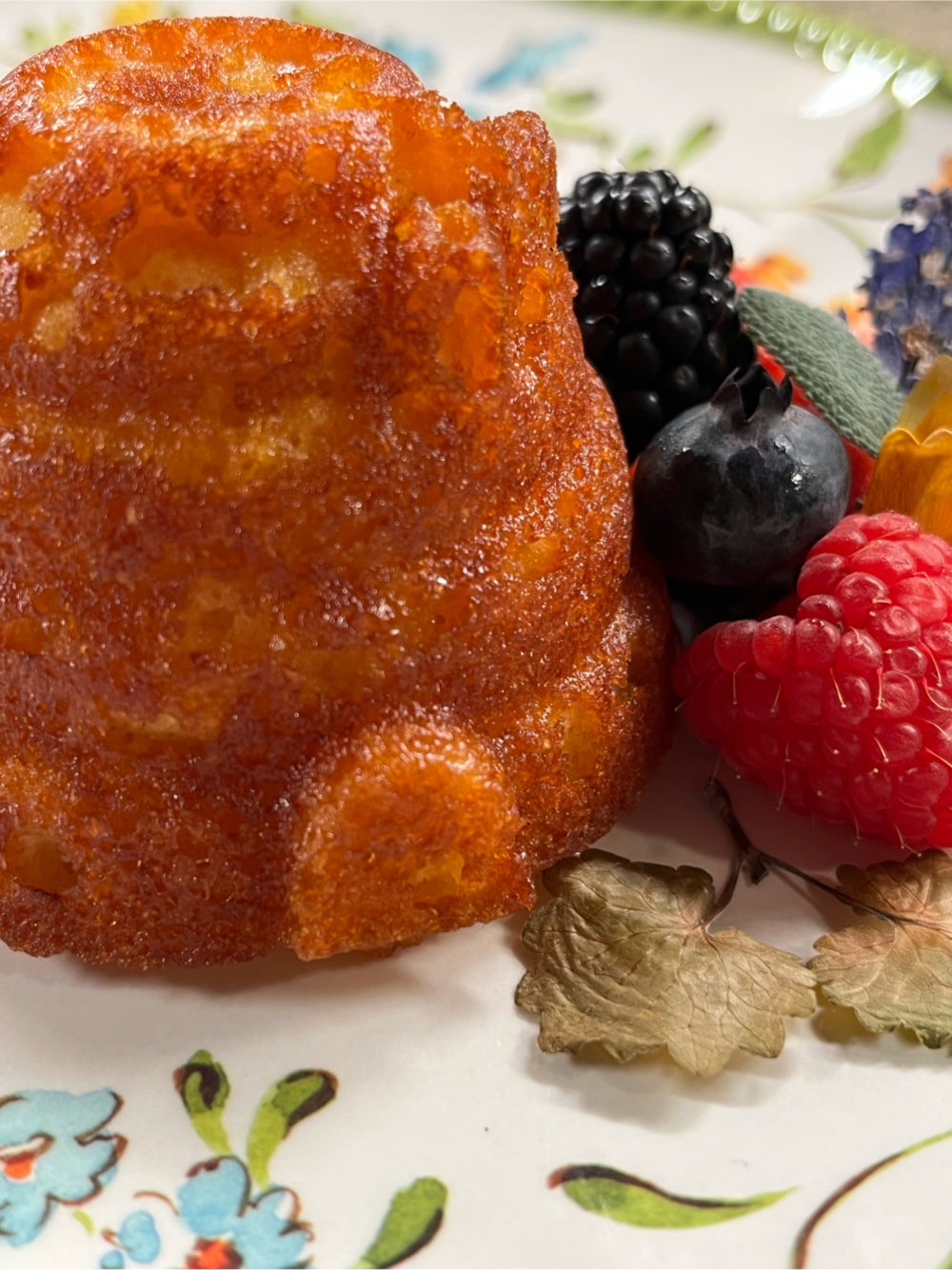
Low Carb Mini Honey Lemon Cakes

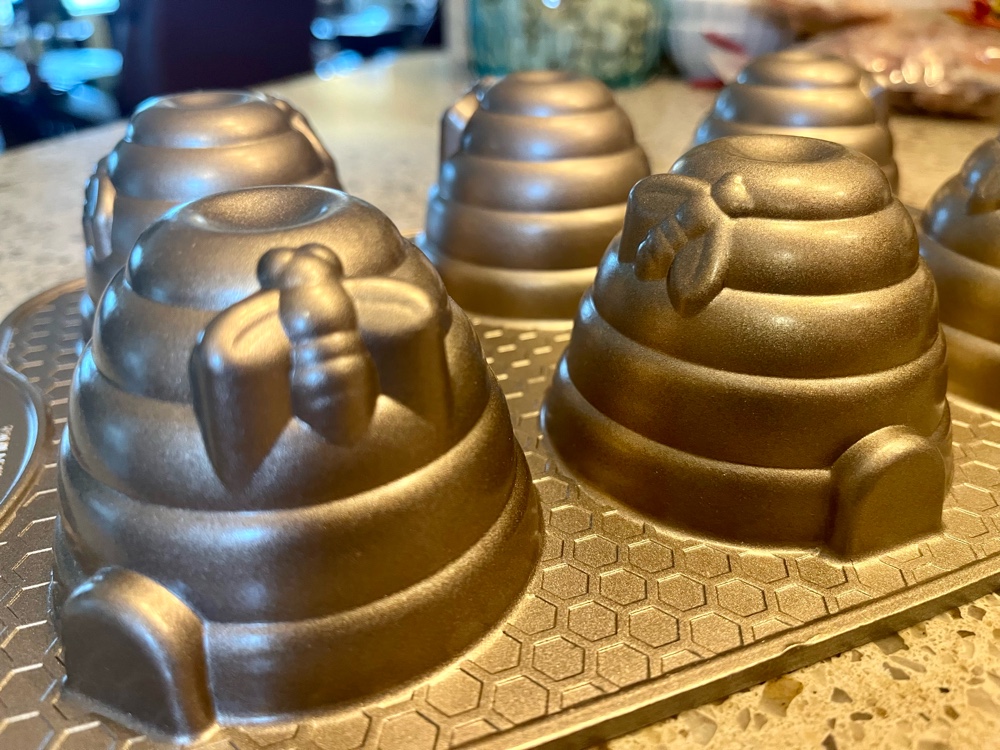
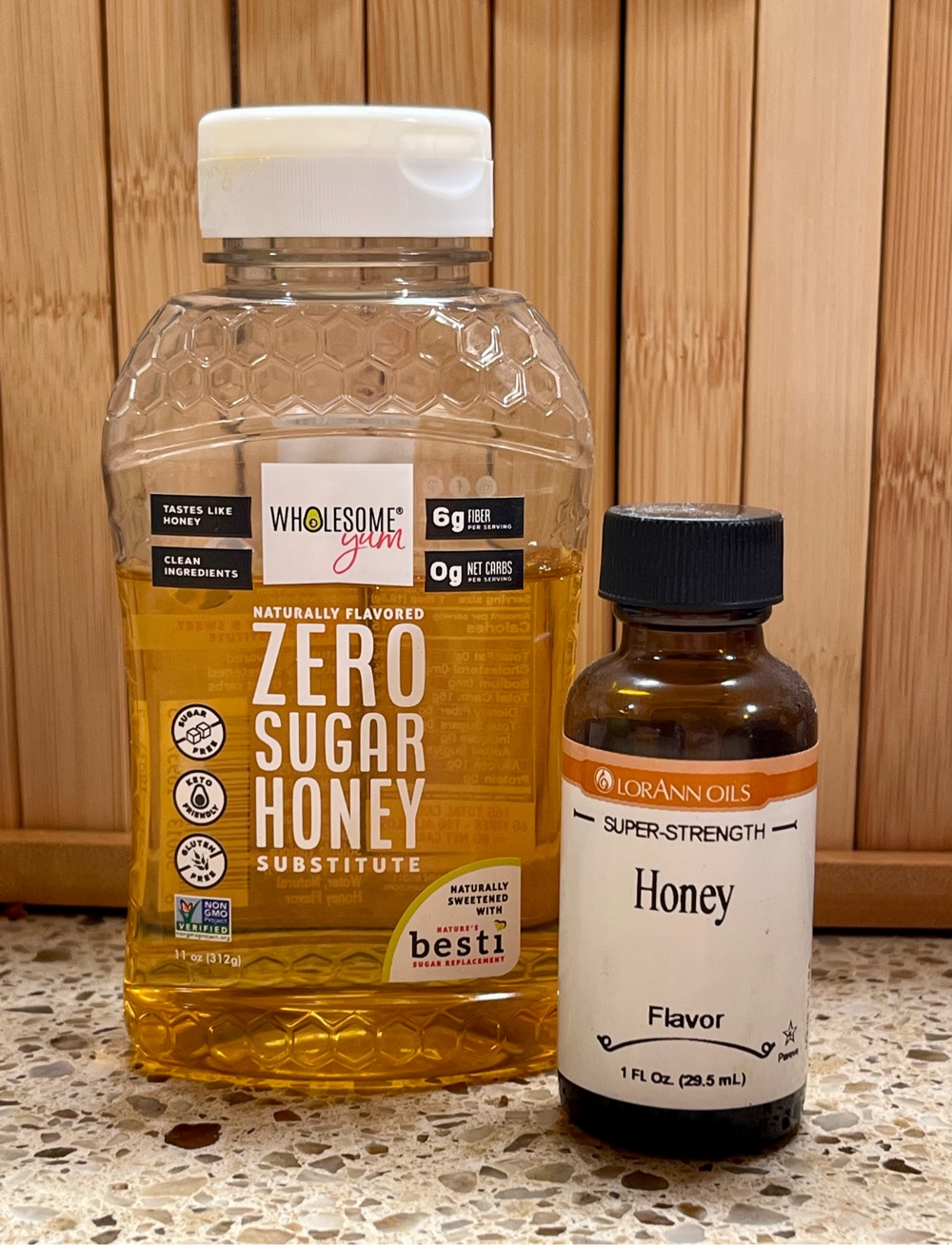
I got an adorable Nordic Ware mini cakelette baking pan in the shape of little beehives, so honey flavored cakes immediately came to my mind. If you’ve never tried sugar free, keto allulose honey, I highly recommend it. It really does taste like honey, but zero carbs! The brand I used is from Wholesome Yum, but you can find other honey flavored liquid allulose online, which would work equally as well in this recipe.


Low Carb Mini Honey Lemon Cakes
Makes 6 cakelettes (or cupcakes)

Cake Ingredients:
7 tablespoons coconut flour
1/4 cup granulated allulose sweetener
3 tablespoons unflavored whey protein powder
1½ teaspoons baking powder
1/8 teaspoon salt
3 large eggs, room temperature 
1/4 cup liquid allulose honey
2 teaspoons lemon zest
1/4 cup unsalted butter, melted and cooled a bit
1/4 cup unsweetened low carb milk of choice
1/4 teaspoon honey flavored extract (or vanilla extract)
1/4 teaspoon lemon extract

Glaze Ingredients:
2 tablespoons liquid allulose honey
1 tablespoon unsalted butter
1½ teaspoons fresh lemon juice

1. Preheat the oven to 325°F. Grease the mini beehive cakelette pan or six wells of a muffin tin, making sure to grease well all the nooks and crannies of the mini cakelette pan.

2. In a medium bowl, sift together the coconut flour, granulated allulose sweetener, whey protein powder, baking powder, and salt and whisk until no lumps remain. In a large bowl and using an electric mixer, beat the eggs and liquid allulose honey on high until light in color and increased in volume. Add the lemon zest, melted butter, low carb milk, and extracts and whisk on low until well combined. Add the dry ingredients and beat on low just until there are no lumps and the batter is smooth.

3. Divide the batter evenly among the prepared pans and tap the pan on the counter to help settle the batter into the bottom of the cake molds and remove any air bubbles. Smooth the tops. Bake for 18 to 22 minutes, until lightly browned, the tops are just firm to the touch and a toothpick comes out clean. (The internal temperature should read between 200°F and 206°F.)

4. Remove from the oven and let the cakes cool in the pan for five minutes. Then flip the cakes out onto a wire rack before glazing.

5. To make the glaze: Combine the 2 tablespoons allulose honey, 1 tablespoon butter and lemon juice in a microwave-safe bowl or in a small sauce pan set over low heat. Heat until the butter is melted and whisk until smooth. Brush the glaze onto the warm cakes. The cakes can be stored at room temperature in a sealed container for up to 3 days, or can be stored in the refrigerator for longer. Serve cakes at room temperature or slightly warmed for the best flavor and texture.

Nutritional Information per serving: 193 calories, 7.5 g carbohydrates (3 g dietary fiber, 1.6 g sugars), 13.9 g total fat (8.5 g saturated fat, 0 g trans fat), 133 mg cholesterol, 260 mg sodium, 70.8 mg calcium, 78 mg potassium, 136 IU Vit A, 1 mg iron, 10.5 g protein. Net carbs per serving: 4.5 grams

Photos and recipe by Kathy Sheehan, copyright 2026
All rights reserved. Please do not duplicate without the author’s permission.


Thursday, April 4, 2024

Low Carb Lemon Meringue Cake

Low Carb Lemon Meringue Cake

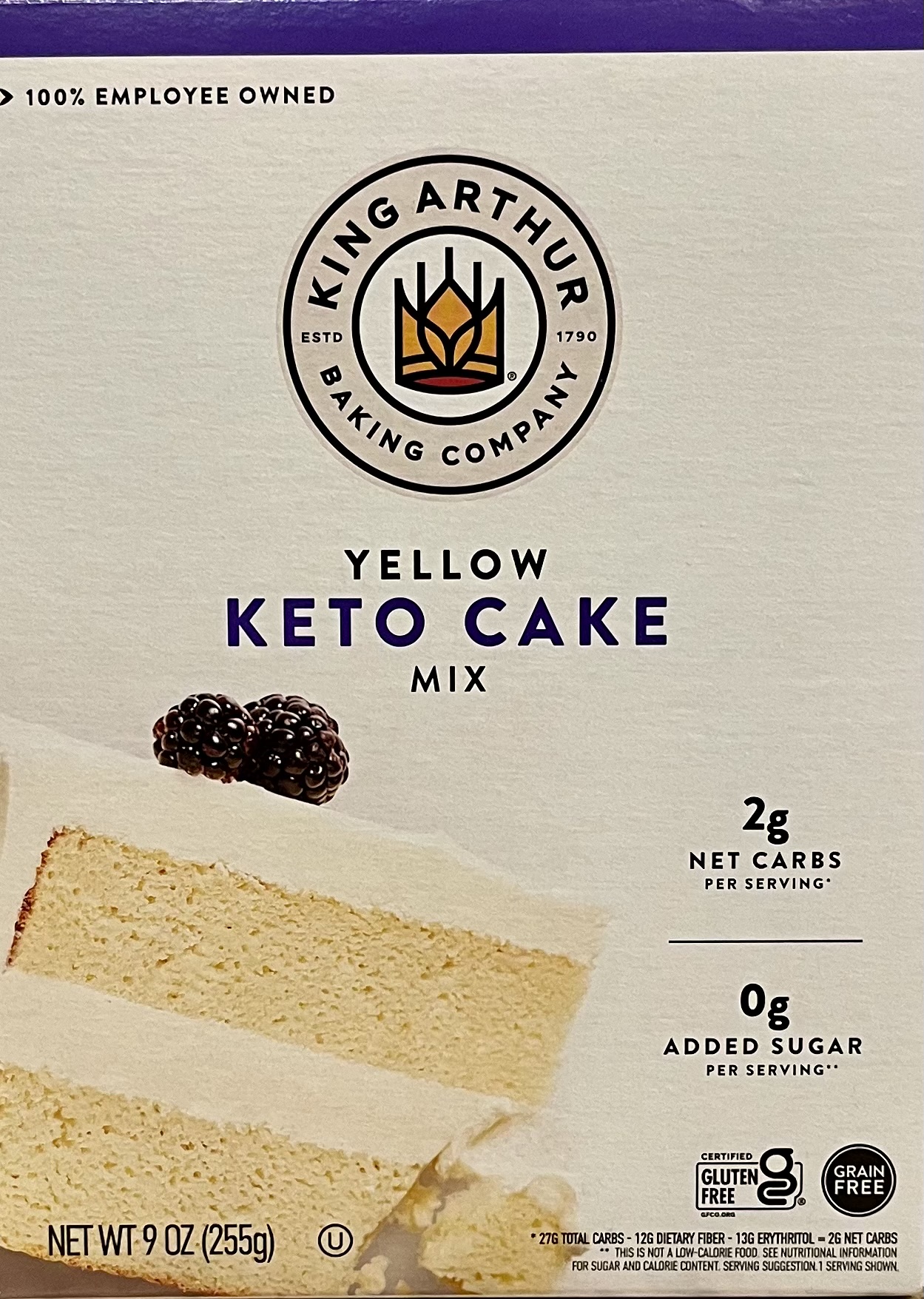
I’m a bit obsessed with King Arthur’s Keto Cake Mixes these days! They’re easy, because all of the dry ingredients are measured out, and they can be enhanced by the addition of other flavors. The other thing I really like about the cakes made from these mixes is that the cake is light and moist…and it stays flavorful and moist for days! In this cake, I simply exchanged butter for part of the oil called for and added lemon zest. Also, I baked it in a special Charlotte-style cake pan that gives the illusion that ladyfingers encircle the outside of the cake. The result is spectacular, but actually required very little effort! This Lemon Meringue Cake was a huge hit at a recent family celebration, enjoyed by everyone, whether they normally eat low carb or not. Looking for a fun spring dessert? This may be it!

Low Carb Lemon Meringue Cake 
Serves 8

Cake:
King Arthur Keto Yellow Cake Mix (use melted unsalted butter in place of half of the oil, otherwise follow box instructions)
And add the zest of one lemon to the batter

Lemon Meringue Filling:
1 1/4 cup water
2 ½ teaspoons dry gelatin powder (unflavored)
½ cup allulose/erythritol blend sweetener
Zest of 2 lemons
½ cup fresh squeezed lemon juice (3-4 lemons)
2 tablespoons unsalted butter 
4 egg yolks, beaten
1/4 cup heavy cream

Swiss Meringue Topping:
½ cup allulose
2 large egg whites

1. Cake: Preheat oven to 375° F. Set aside 2 teaspoons of the dry cake mix for dusting the pan. Brush the Charlotte cake pan with melted butter and dust with the reserved 2 teaspoons of dry cake mix; set aside.

King Arthur Keto Yellow Cake Mix

2. Follow the directions on the box of keto cake mix, except substitute melted unsalted butter for half of the oil and add the zest of one lemon. Optional, you can also add 1/2 teaspoon butter cookie emulsion for extra flavor or vanilla extract.

3. Spread the batter into the prepared baking pan. Tap the pan on a kitchen towel-lined counter several times to settle batter and release any air bubbles. Bake until golden and a wooden toothpick inserted in the center comes out clean, 30 to 35 minutes or until the internal temperature reaches between 190 - 200°. Let cool and pan for 10 minutes. Invert cake onto a wire rack and let it cool completely. (If you do not have a Charlotte cake pan, you may use an 8 inch springform pan.)

Charlotte Cake Pan

4. Lemon Filling: Place the water in a heavy sauce pan and sprinkle the gelatin over the water. Allowed to sit for five minutes until the gelatin is well hydrated. Whisk the gelatin and water over low to medium heat until the gelatin dissolves. Add sweetener, butter, zest and lemon juice. 

5. Temper the egg yolks by whisking, 1/2 cup of the hot lemon mixture slowly into them, whisking continuously. Off the heat, slowly add the tempered egg yolks back to the sauce pan of lemon mixture while whiskey. Return the saucepan to low heat for 4 to 5 minutes, do not boil. Add 1/4 cup heavy cream and whisk to combine. Taste and adjust sweetness as desired. 

6. While the lemon filling mixture is still warm, poke the center part of the cake with a chopstick and drizzle about 1/2 cup of the lemon liquid over the holes. Cover the cake with plastic wrap and refrigerate.

7. Allow the remaining lemon filling to cool in the refrigerator for a few hours to thicken into a soft gel before spooning it onto the cake.

8. Transfer the cake to a serving plate. Fill with the thickened gel filling, spreading with an offset spatula. Return the cake to the refrigerator, uncovered, to cool and completely set.

9. Swiss Meringue: In heat proof bowl of a standing mixer, whisk together the aulos and egg whites by hand. Place the bowl over a saucepan of simmering water. Cook, whisking frequently, until the aulos completely dissolves, and an instant thermometer registers 120 to 130°. Make sure that the bottom of the bowl does not touch the simmering water! 

10. Carefully return the bowl to the standing mixer. Using the whisk attachment, beat at high speed until stiff peaks form, and the bowl is cool to the touch, 2 to 3 minutes. Use immediately. Makes about 2 cups.

11. If desired, place, the Swiss Meringue into a large pastry bag fitted with a star piping tip. Pipe meringue as desired. If you do not have a piping bag, just dollop the Swiss Meringue onto the top of the set lemon filling. Using a hand held kitchen torch, carefully brown the meringue as desired. Serve immediately or refrigerate. (The meringue will stay in good shape for 4-5 hours, but will begin to deteriorate into a less firm foam the longer it sits, so it is best to serve the cake within several hours of piping the meringue.)

Keto Lemon Meringue Cake Sliced

Nutritional Information per serving: 291 calories, 18.3 g carbohydrates (12.3 g dietary fiber, 2.7 g sugars, 2 g sugar alcohols), 24.9 g total fat (10.8 g saturated fat, 0 g trans fat), 254 mg cholesterol, 337 mg sodium, 96.7 mg calcium, 200 mg potassium, 2 mg iron, 198 IU Vit A, 10 mg Vit C, 8.8 g protein. Net carbs per serving: 4 grams

Photos and recipe by Kathy Sheehan, copyright 2024
All rights reserved. Please do not duplicate without the author’s permission. 

Sunday, July 24, 2022

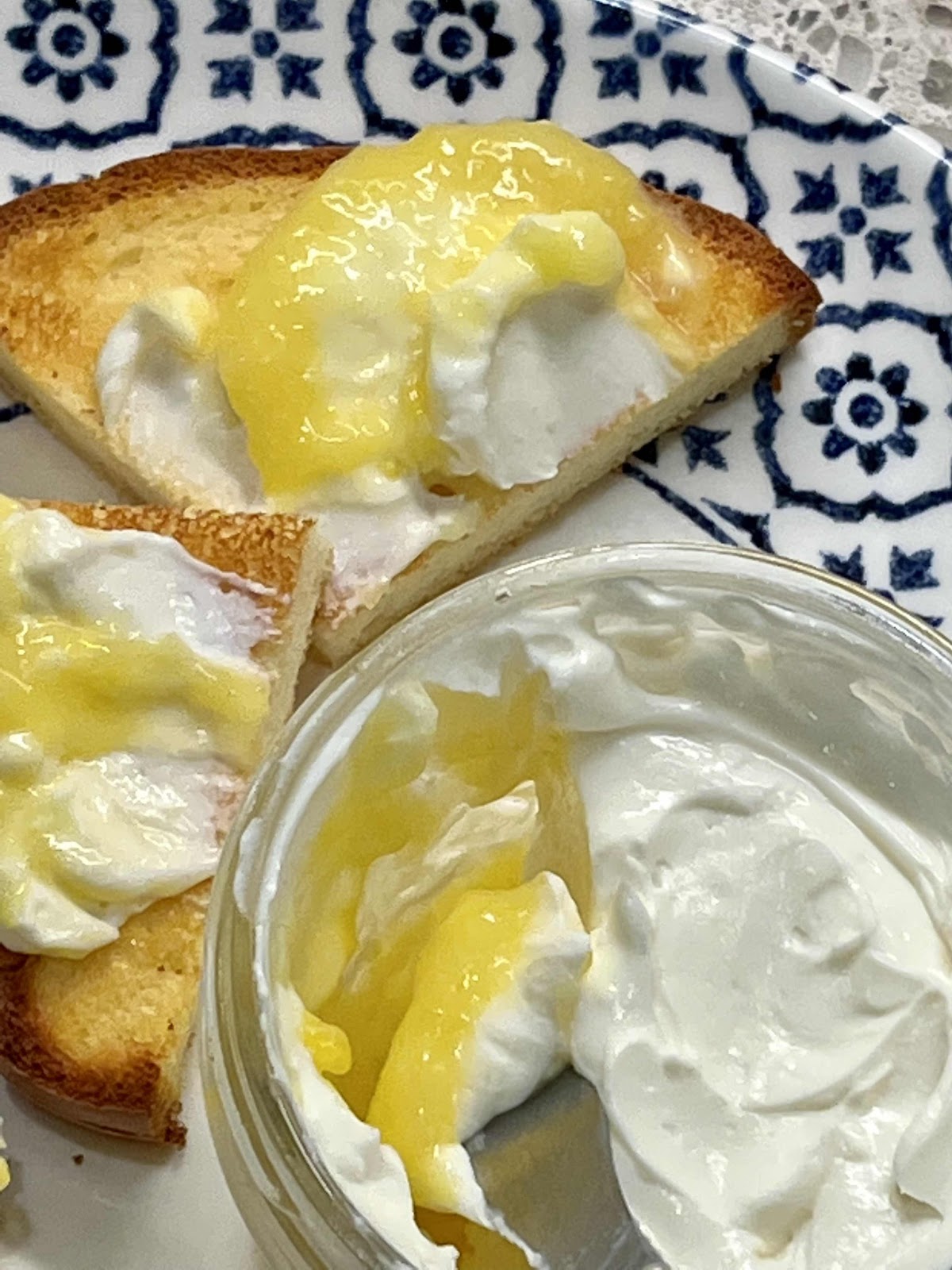
Keto Lemon Curd and Goat Cheese Spread

Keto Lemon Curd and Goat Cheese Spread
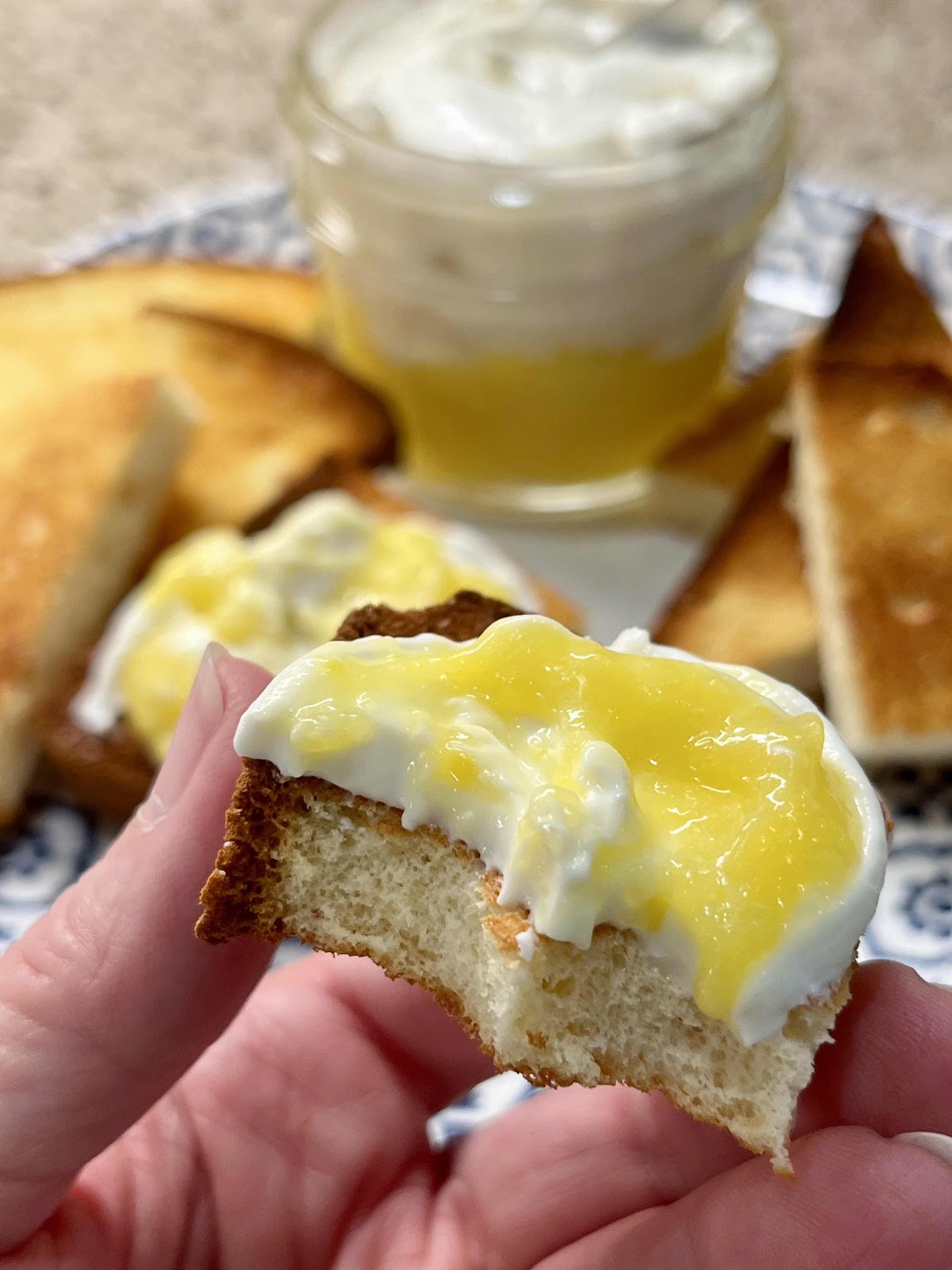
The other day I went to a party and the hostess served a delicious spread that was lemon curd topped with goat cheese that she had picked up at the Farmer’s Market. It was really good! Traditional lemon curd is mostly sugar, so I couldn’t do more than sample it at the party. I came home and, the very next day, made myself some sugar-free lemon curd using my easy, microwave method and topped it with plain, soft goat cheese. If you are not a fan of goat cheese, like my husband, you can blend together a combination of cream cheese and ricotta to replace the goat cheese. The taste is very similar, but it is even creamier and more spreadable. This makes a wonderful appetizer served with low carb crackers or spread it on your keto toast or pancakes for breakfast.

Keto Lemon Curd and Goat Cheese Spread
Makes 1 1/2 cups

1/2 cup (or more) sugar free Microwave Keto Lemon Curd (click here for the recipe)

Topping:
8 oz. plain, soft goat cheese

OR

Process in a food processor until smooth:

4 oz. cream cheese, softened
1/2 cup whole milk ricotta cheese
A pinch of salt
2 drops monkfruit extract or stevia (optional)
1/8 teaspoon vanilla extract (optional)

1. Allow the lemon curd to set up and cool completely in the refrigerator. To prevent a skin forming on the top, place plastic wrap directly on the lemon curd as it cools.

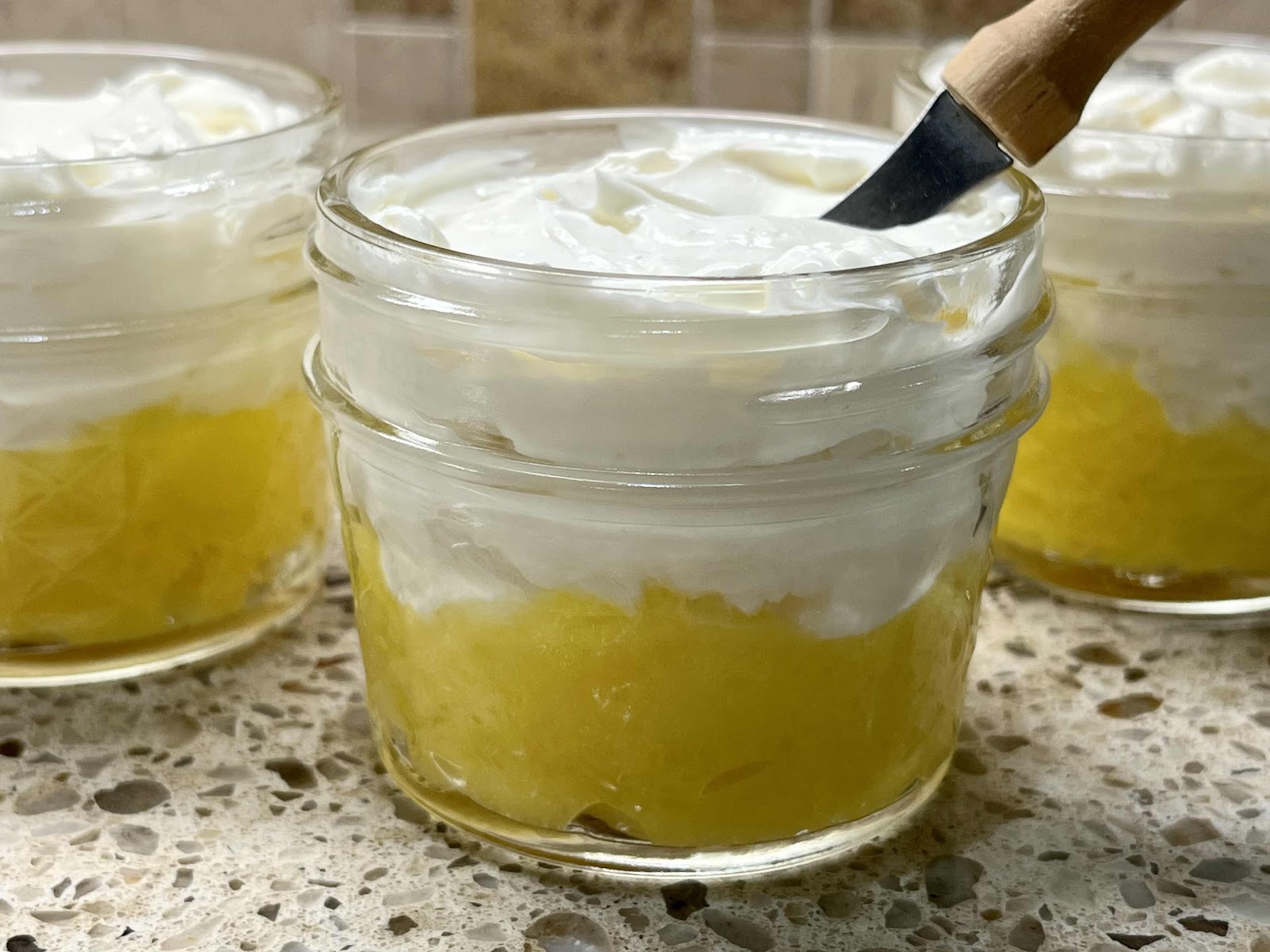
2. In a small glass serving bowl, spread the cooled lemon curd on the bottom of the bowl. Depending on the size of your bowl, you will use 1/2 cup or more. You want the lemon curd to come up the side of the bowl about 1/4th of the way. (I put mine into three 4 oz. Mason jars because I didn’t plan to serve it all at once, see photo below.)

Place lemon curd on the bottom and top with the goat cheese
3. Carefully, spoon in the goat cheese or the cream cheese/ricotta mixture and smooth the top with the back of a spoon or an offset spatula. Cover and store in the refrigerator until ready to serve.

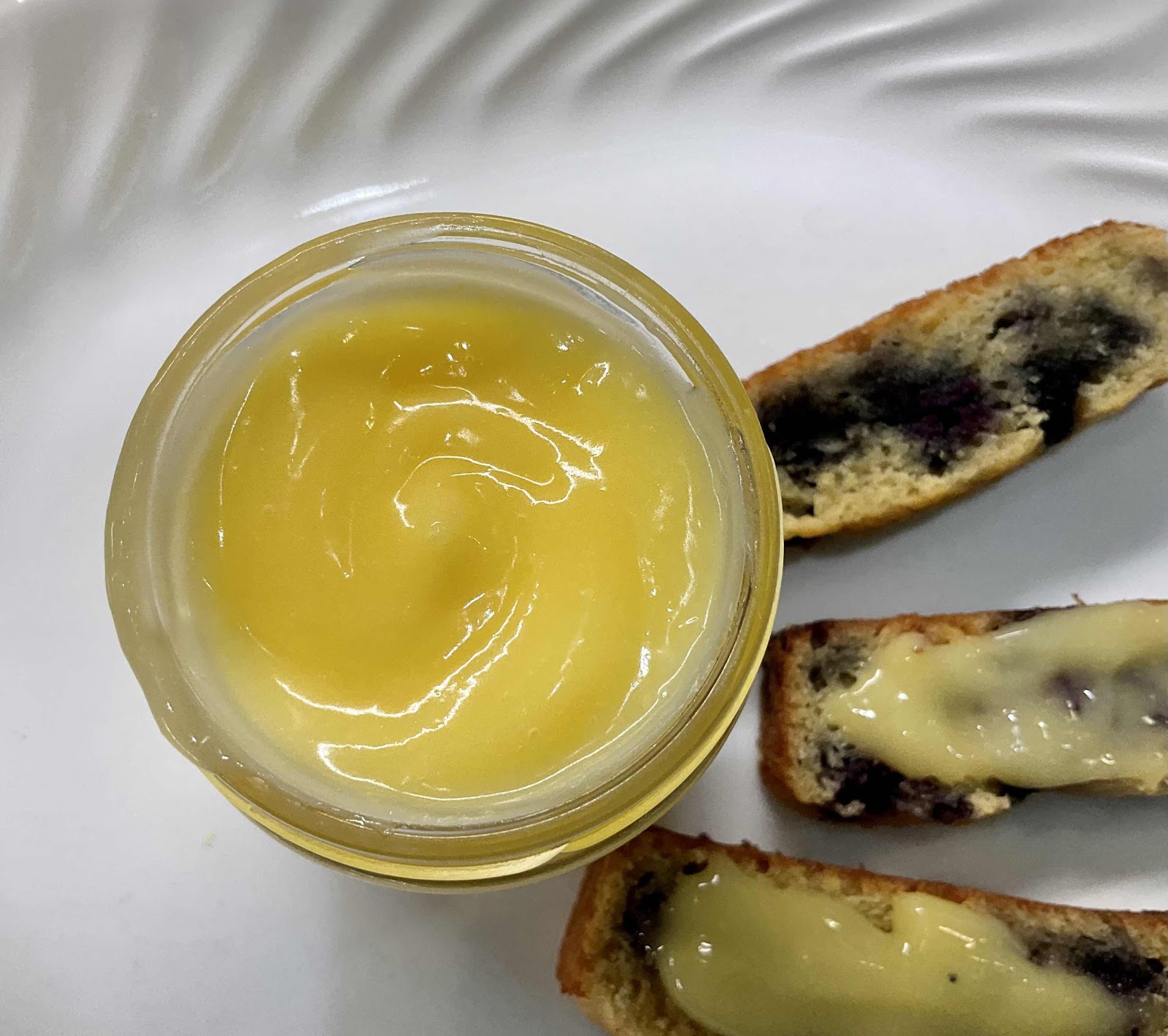
Lemon Curd Spread on keto toast
Nutritional Information per 2 tablespoons: 102 calories, 1.9 g carbohydrate (0 g dietary fiber, 0.4 g sugars, 0.4 g sugar alcohols), 9.7 g total fat (6.2 g saturated fat, 0 g trans fat), 41 mg cholesterol, 50 mg sodium, 31.6 mg calcium, 25 mg potassium, 96 IU Vit A, 2.3 g protein. Net carbs per serving: 1.5 grams

Photos and recipe by Kathy Sheehan, copyright 2022
All rights reserved. Please do not duplicate without the author’s permission. 

Monday, June 20, 2022

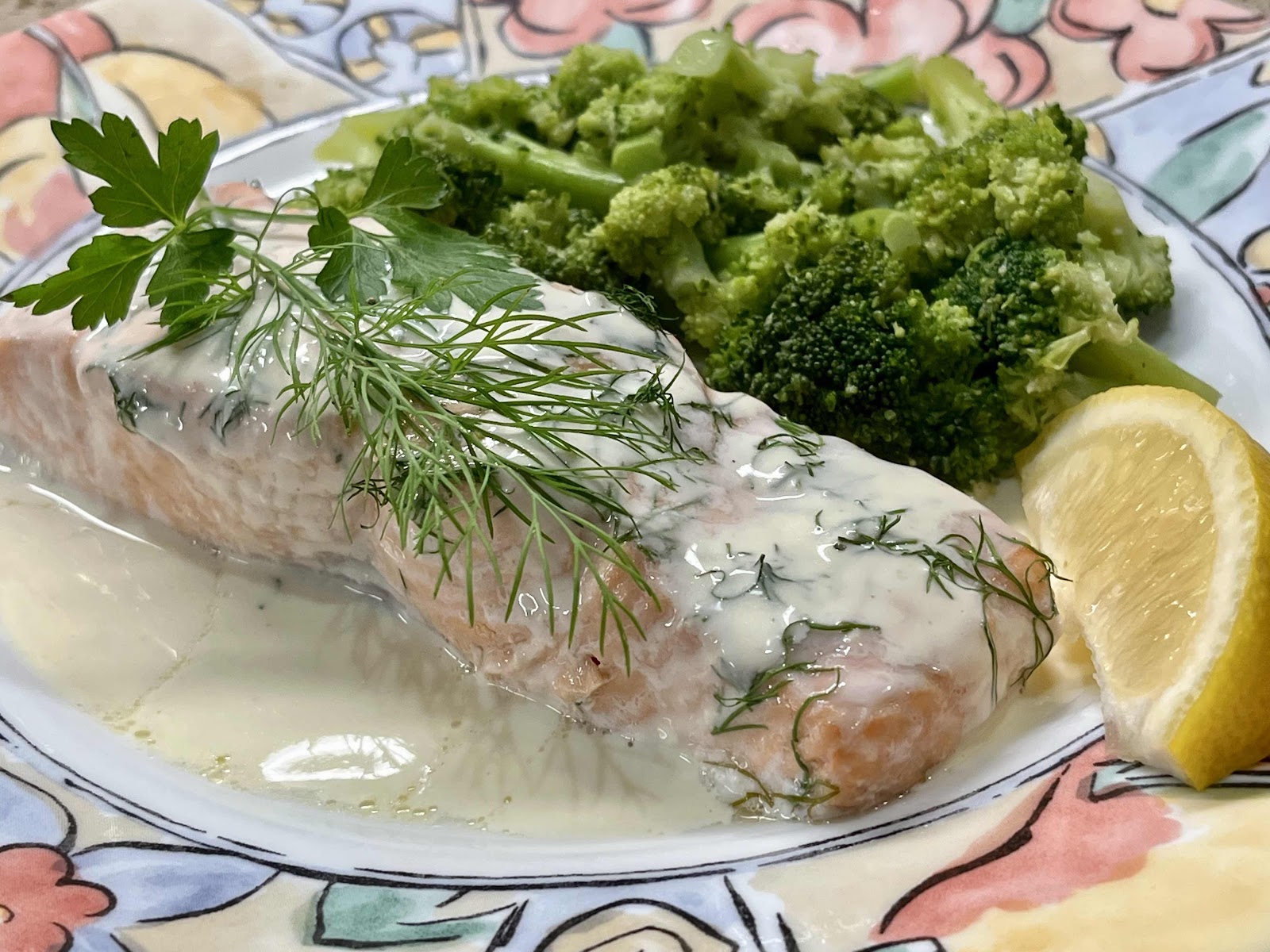
Keto Scottish Salmon in Cream

Keto Scottish Salmon in Cream
Many years ago I visited Scotland and, while there, I had the most wonderful salmon dish I had ever eaten! It was simple, but so elegant. I couldn’t get it out of my mind! When I got home I was determined to duplicate the recipe. This is what I came up with that almost exactly matches that fantastic dish! It is sophisticated and impressive enough for company or a special occasion, but quick and simple to make with only a few ingredients. Using fresh herbs is best, but in a pinch I’ve made this using dried and it turned out fine. This recipe makes two servings, but it’s easy to increase for a dinner party. It’s one of my favorite ways to prepare salmon that always brings back the wonderful memories of our Scotland vacation.

Keto Scottish Salmon in Cream
Makes 2 servings

2 salmon filets (5 oz. each)
1/2 cup heavy cream (or full-fat coconut milk for dairy free)
Juice of 1/2 lemon
1 tablespoon chopped fresh dill (or chives)
Salt and pepper to taste
1/2 to 1 teaspoon brown or dijon mustard, to taste
1 tablespoon chopped parsley

1. Preheat oven to 350°F.

2. Place salmon in a shallow dish that has been well buttered. Sprinkle with salt, pepper, lemon juice, chopped dill and/or chives.

3. Cover with foil. Cook in the preheated oven for 10 to 15 minutes until tender and the internal temperature reaches 125°F in the thickest part.

4. Meanwhile, in a small sauce pan, heat the cream gently, add the mustard and whisk. Heat until the sauce comes to a gentle simmer and thickens slightly. Spoon over the cooked fish. (If using coconut milk, you may need to simmer longer until the sauce is reduced and thickens.)

5. Garnish with chopped parsley and/or fresh dill sprigs. Serve with lemon wedges.

Nutritional Information per serving (1/2 recipe): 403 calories, 1.2 g carbohydrate (0.1 g dietary fiber, 0 g sugars), 32 g total fat (15.7 g saturated fat, 0 g trans fat), 80 mg cholesterol, 195 mg sodium, 19 mg calcium, 516 mg potassium, 1297 IU Vit A, 9 mg Vit C, 1 mg iron, 30.4 g protein. Net carbs per serving: 1.1 grams

Photo and recipe by Kathy Sheehan, copyright 2022
All rights reserved. Please do not duplicate without the author’s permission. 
Sunday, April 10, 2022

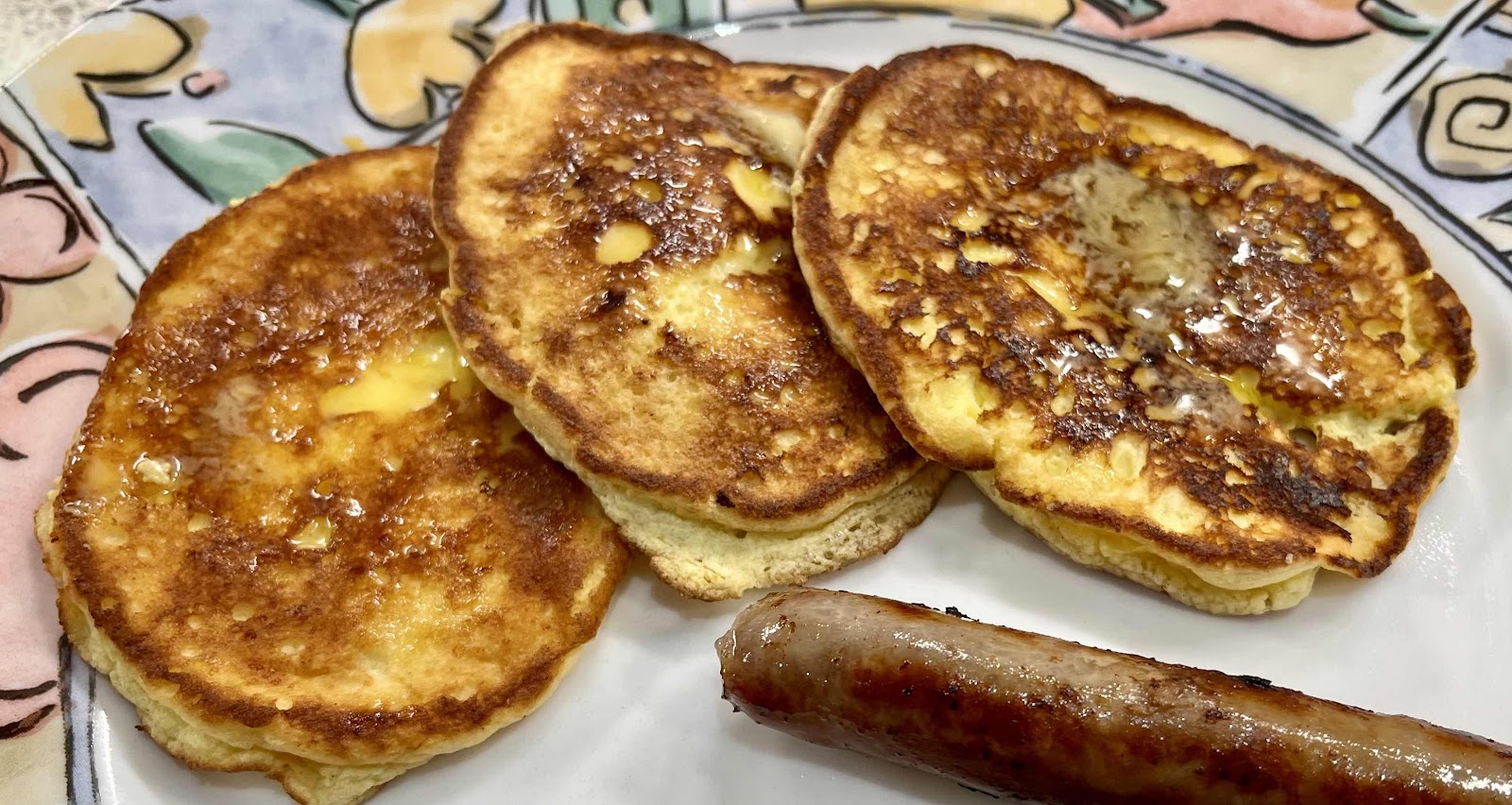
Keto Lemon Soufflé Pancakes

Keto Lemon Soufflé Pancakes
Earlier this week, I saw a recipe online for lemon soufflé pancakes. Of course, they contained flour and sugar. I adapted that recipe to make these keto pancakes, which I am sure are just as delicious as the original recipe. They are so delicate and light, almost like feasting on a cloud! They can be made ahead, then stored between wax paper or parchment paper in the refrigerator. Reheating them is a quick and easy process. Some people, as soon as they see that egg whites need to be whipped, turn away from a recipe. I can assure you that whipping egg whites is very easy, especially when you add a little cream of tartar which stabilizes them and prevents them from being overwhipped. I find it easier to separate eggs when they are at room temperature, but it’s not necessary. Be sure to separate each egg over a small bowl to catch the whites, then add the whites to your larger mixing bowl before cracking the next egg. The only trick is to make sure there are no bits of egg yolk (or oil) in the whites! Besides that, use a clean bowl, clean beaters and it’s easy-peasy!

Keto Lemon Soufflé Pancakes
Makes 6 servings (2 pancakes each)

3 large eggs, separated
1/8 teaspoon cream of tartar
2 tablespoons avocado oil
1/8 teaspoon salt
2 teaspoons baking powder
1 cup 4% cottage cheese (not low fat)
1 tablespoon sugar free maple syrup
2 tablespoons lemon juice
1 tablespoon lemon zest (or 2-3 drops lemon essential oil for low oxalate)
2 tablespoons coconut flour
Warm sugar free maple syrup, for serving

1. Beat the egg whites and cream of tartar until stiff, then set aside.

2. Combine in a food processor or blender the egg yolks, oil, salt, baking powder, cottage cheese, sugar-free maple syrup, lemon juice, lemon zest and coconut flour, blending until smooth. Pour the batter into a bowl and fold in the egg whites with a rubber spatula until no more white streaks remain.

3. Melt a teaspoon of butter and a teaspoon of avocado oil in a non-stick skillet over medium heat. Swirl around to coat the skillet. Drop batter by spoonfuls onto the greased skillet. (Make the pancakes about 4 inches across. A smaller pancake is easier to flip than a larger one.) Cook the first side for about three minutes until nicely browned. Very carefully, flip the pancakes and brown the other side. Please note that these pancakes are very delicate, so take your time and be gentle as you flip them.

4. Serve with the warmed sugar-free maple syrup. These pancakes can be stored in the refrigerator, layered between sheets of wax paper or parchment paper, for up to two days. To reheat, place them on a wire rack that is set inside a rimmed cookie sheet. Place in a preheated 250° oven for about 15 minutes.

Lemon Pancakes
Nutritional Information per 2 pancakes (based on recipe making 12 pancakes): 129 calories, 4.1 g carbohydrate (1.3 g dietary fiber, 0.8 g sugars), 9.2 g total fat (2.8 g saturated fat, 0 g trans fat), 98 mg cholesterol, 354 mg sodium, 149.2 mg calcium, 88 mg potassium, 1 mg iron, 58 IU Vit A, 3 mg Vit C, 8 g protein. Net carbs per serving: 2.8 grams

Photos and recipe by Kathy Sheehan, copyright 2022
All rights reserved. Please do not duplicate author’s permission.

Saturday, September 11, 2021

Microwave Keto Lemon Curd

Microwave Keto Lemon Curd
Making homemade Lemon Curd couldn’t be easier than using this quick microwave method! This tart, refreshing spread is excellent on low carb pancakes, toast, chaffles, as a topping for ice cream, cottage cheese or yogurt, as a filling for tarts, thumbprint cookies or between layers of a cake. My grandmother loved it on peaches. Eating it straight from the jar by the spoonful is another way! It also makes an excellent gift to share with your keto friends and family. The list could go on and on…

Microwave Keto Lemon Curd
Makes 3/4 cup (12 servings)

1/4 cup unsalted butter, very soft or melted and cooled
1/4 cup powdered erythritol
1/4 cup allulose (or Bocha Sweet)
1/2 teaspoon lemon zest
1/2 cup fresh lemon juice (it’s important that it be fresh, not bottled!)
1 large egg + 1 egg yolk
1/4 or 1/2 xanthan gum (*see note below)
4-6 drops monkfruit extract
1/8 to 1/4 teaspoon stevia glycerite (or more monkfruit extract to taste)

1. Whisk together the butter, powdered erythritol, allulose, lemon zest, lemon juice and egg in a large microwave-safe bowl. (The mixture will expand considerably during the cooking process, so it’s best to use a large bowl to prevent any overflow.)

2. Microwave on high in 45 second intervals, stopping between intervals to whisk thoroughly, until the mixture has thickened and coats the back of a spoon, about 4-5 minutes in total. (The mixture will thicken more once cooled.) 

3. After cooking, add the xanthan gum and whisk vigorously until incorporated and dissolved. Add the stevia glycerite and monkfruit extract to taste.

4. Using a fine mesh strainer, strain the warm mixture into a clean bowl, using a rubber spatula to press the curd through the strainer. Discard any remaining solids. Cover the surface with plastic wrap, pressing down to make sure the wrap touches the top of the curd to prevent a skin forming. Refrigerate until set, overnight is best. Remove from the refrigerator and, if desired, spoon into a glass jar or other airtight container for storage. Keep refrigerated. Can be stored for 7-10 days.

Note: If you’ll be using this Lemon Curd as a filling between cake layers or for a tart, use the 1/2 teaspoon amount of xanthan gum for the extra thickening power it provides. If serving as a spread or sauce, the 1/4 teaspoon measurement is adequate. 

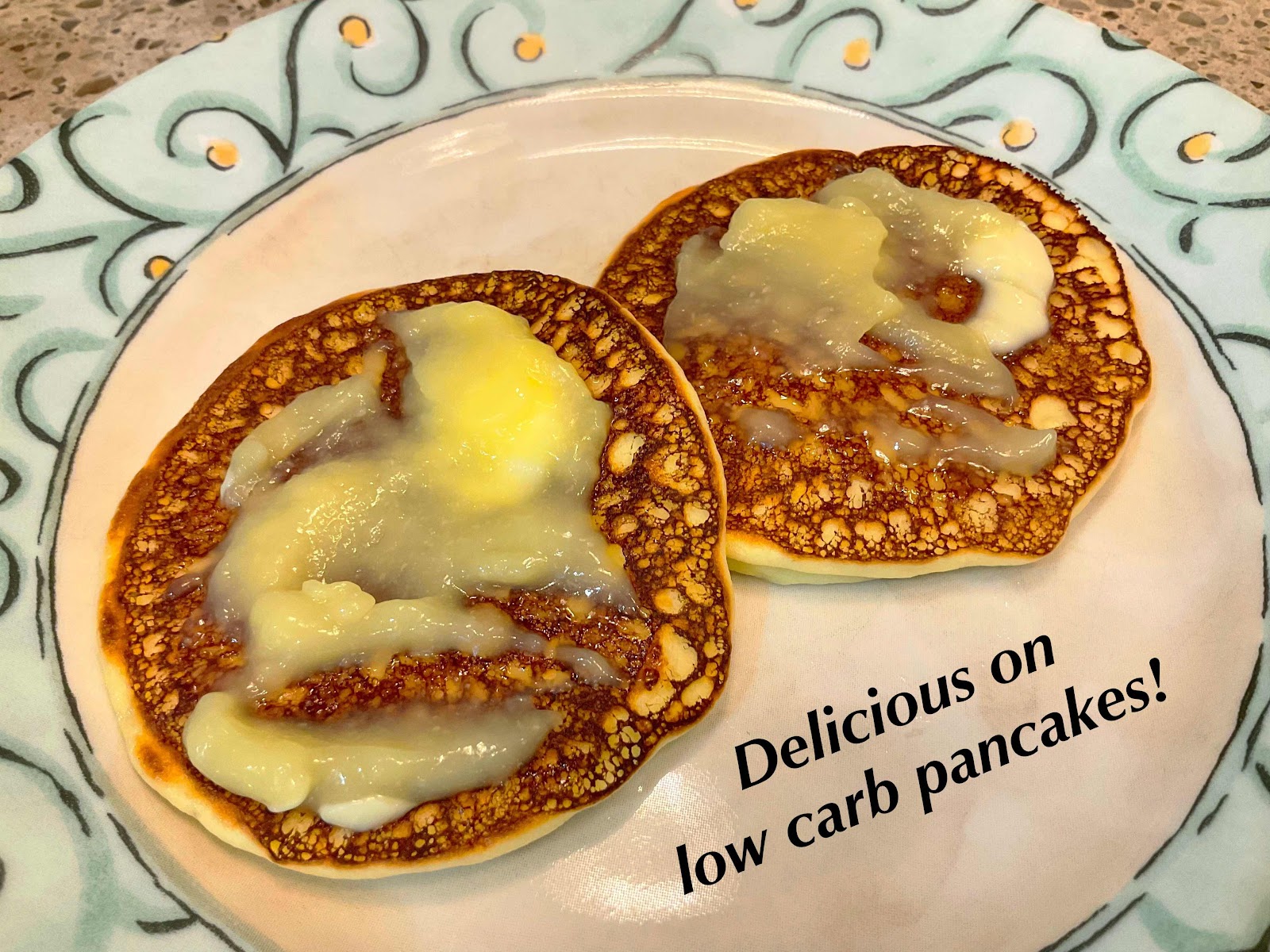
Lemon curd on pancakes

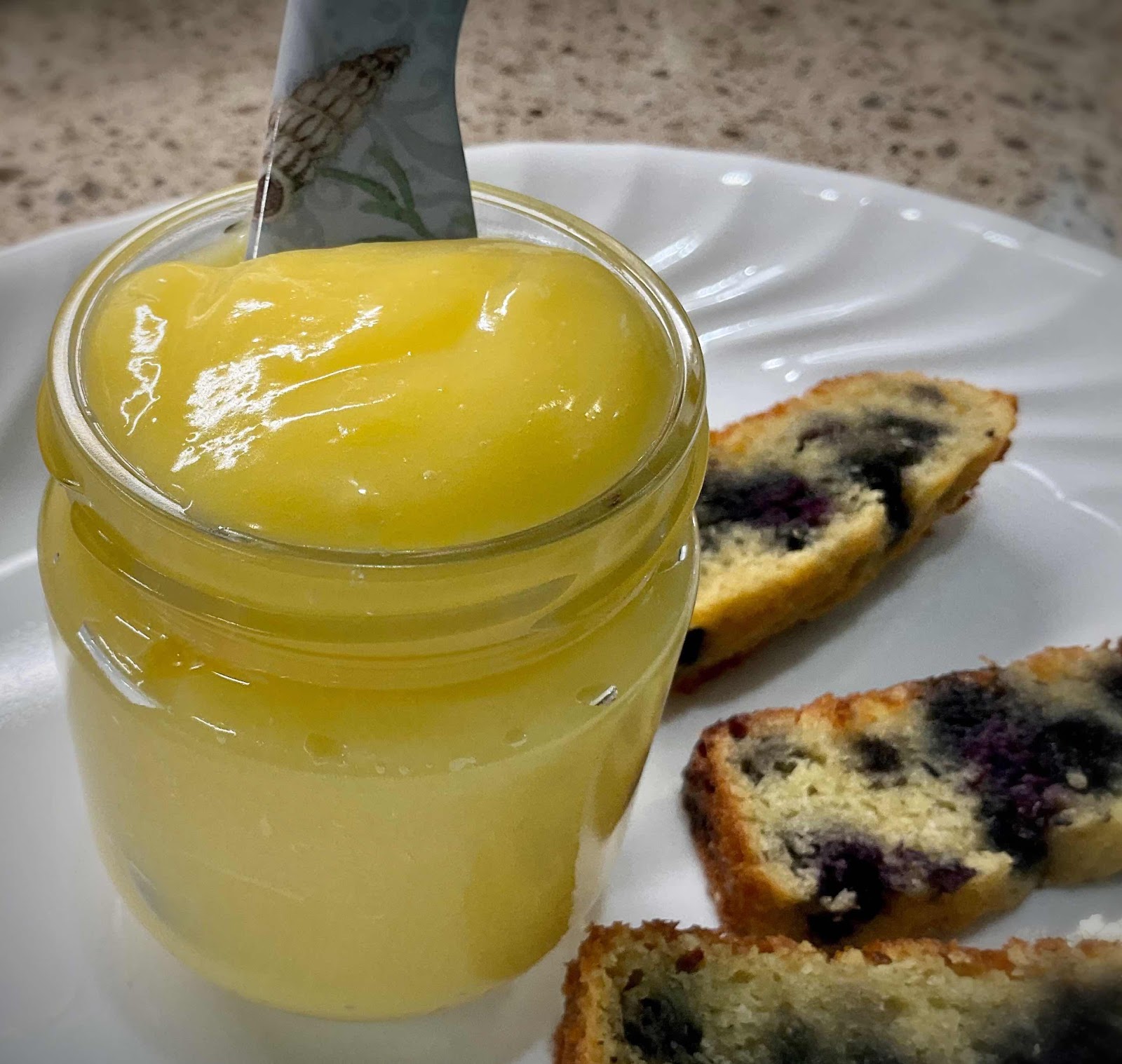
Keto Lemon Curd
Nutritional Information per tablespoon: 76 calories, 1.3 g carbohydrate (0 g dietary fiber, 0.3 g sugars, 0.7 g sugar alcohol), 8.1 g total fat (5 g saturated fat, 0 g trans fat), 36 mg cholesterol, 8 mg sodium, 5.4 mg calcium, 21 mg potassium, 78 IU Vit A, 5 mg Vit C, 0.6 g protein. Net carbs per serving: 0.6 grams

Photos and recipe by Kathy Sheehan, copyright 2021
All rights reserved. Please do not duplicate without the author’s permission. 
Friday, August 13, 2021

Scrambled Egg Creamy Lemon Pudding

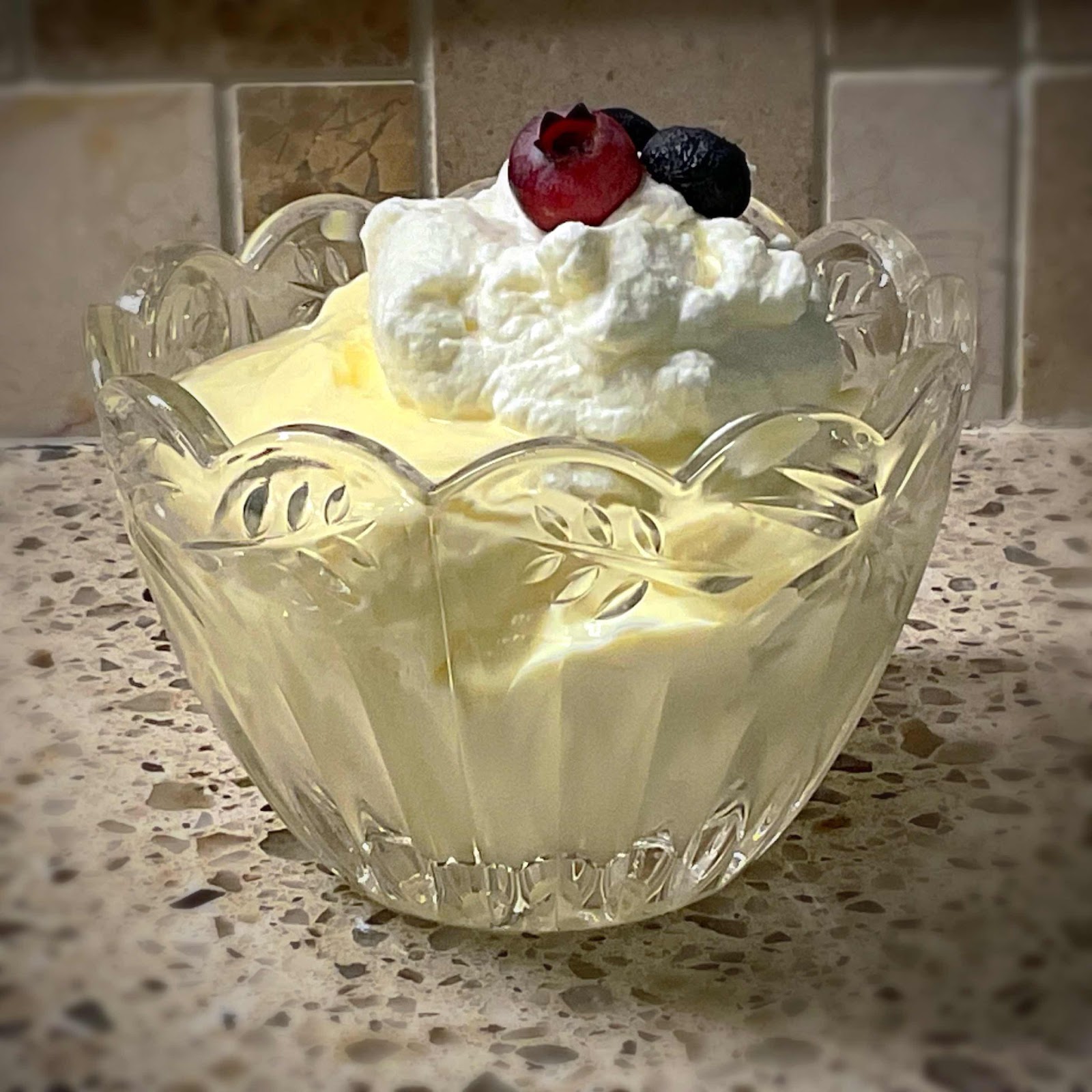
Scrambled Egg Creamy Lemon Pudding
Another simple keto pudding recipe using the fool-proof scrambled egg method! Lemon is the perfect flavor for a warm day; it’s so refreshing and light.

Scrambled Egg Creamy Lemon Pudding
Makes 3 generous servings (or 4 slightly smaller servings)

3 eggs, scrambled in 1 tablespoon of unsalted butter
1/4 cup powdered erythritol-based sweetener (I like LaKanto Monkfruit sweetener)
1/2 cup heavy cream
1/4 cup lemon juice (fresh or bottled)
1/4 cup sour cream
2 tablespoons unsweetened almond or coconut milk
A pinch of salt
1 teaspoon lemon zest (or 2 drops lemon essential oil for low oxalate)
1/2 teaspoon liquid stevia or monkfruit extract
1/4 teaspoon lemon extract (or to taste)
3/4 teaspoon unflavored gelatin powder
3/4 teaspoon xanthan gum

1. In a skillet, melt the 1 tablespoon of butter and add your whisked eggs to scramble. Stir and cook until the eggs no longer look wet and glossy. Spoon the scrambled eggs into a blender.

2. Add the remaining ingredients and blend on high, scraping the sides of the blender occasionally, until the mixture is completely smooth. It may look like the mixture is curdling at the beginning, but keep blending and it will smooth out. Taste and adjust sweetening and lemon flavoring, if needed to suit your taste. (I like mine tart!)

3. Pour into three ramekins or serving dishes and refrigerate for at least 3 hours, or overnight is even better. The longer it sets, the thicker your pudding will be. Enjoy with a dollop of whipped cream and berries (optional). This pudding can be stored in the refrigerator for up to 5 days.

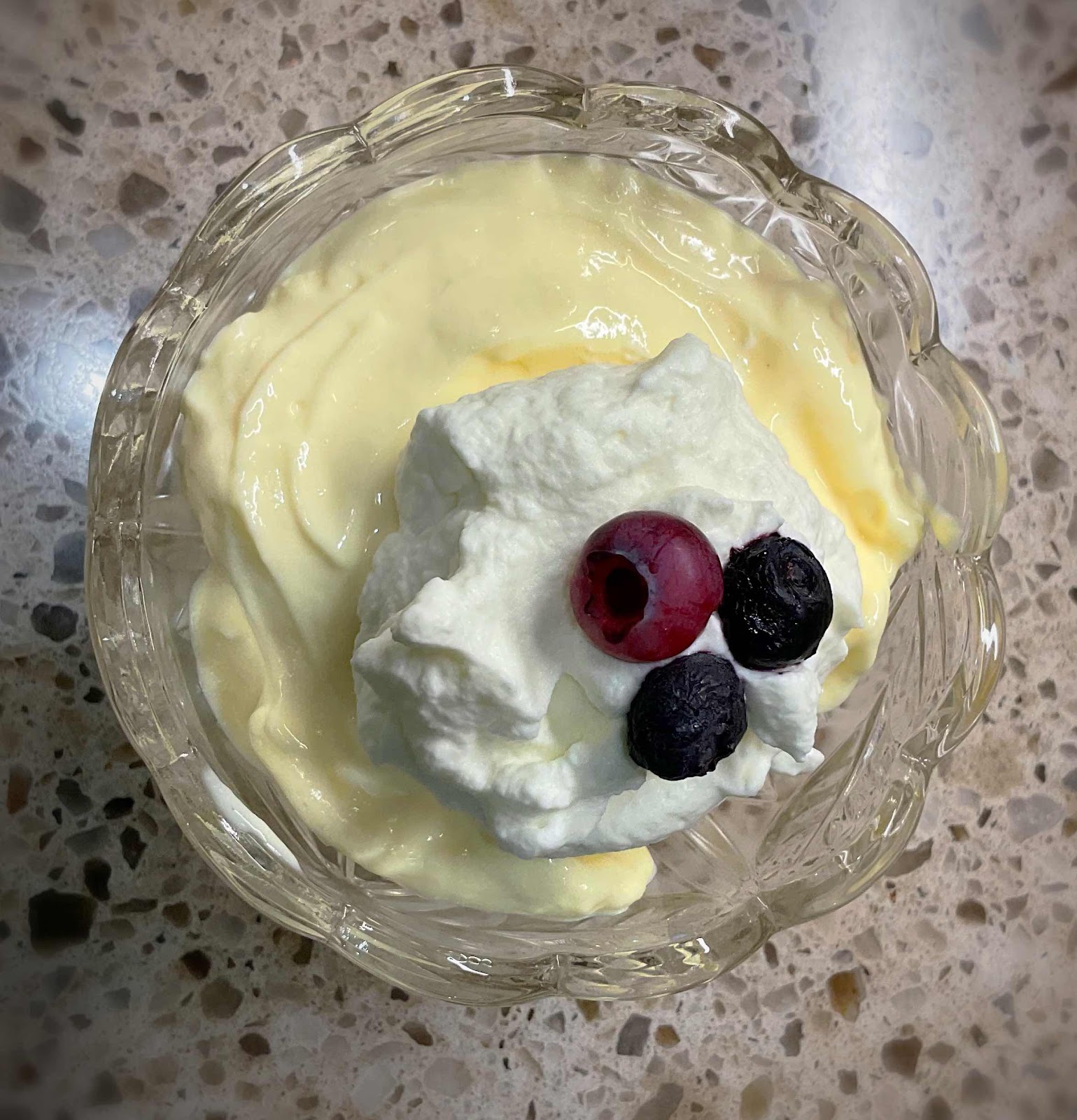
Top View of Cream Lemon Pudding
Nutritional Information per serving (based on 3 servings): 210 calories, 3.8 g carbohydrate (0.3 g dietary fiber, 0.6 g sugars, 1 g sugar alcohols), 23.2 g total fat (13.9 g saturated fat, 0 g trans fat), 70 mg cholesterol, 60 mg sodium, 26.1 mg calcium, 52 mg potassium, 10 mg Vit C, 232 IU Vit A, 1.1 g protein. Net carbs per serving: 2.5 grams

Photos and recipe by Kathy Sheehan, copyright 2021
All rights reserved. Please do not duplicate without the author’s permission. 
Friday, July 17, 2020

40 Second Keto Lemon Cupcakes

40 Second Keto Lemon Cupcakes
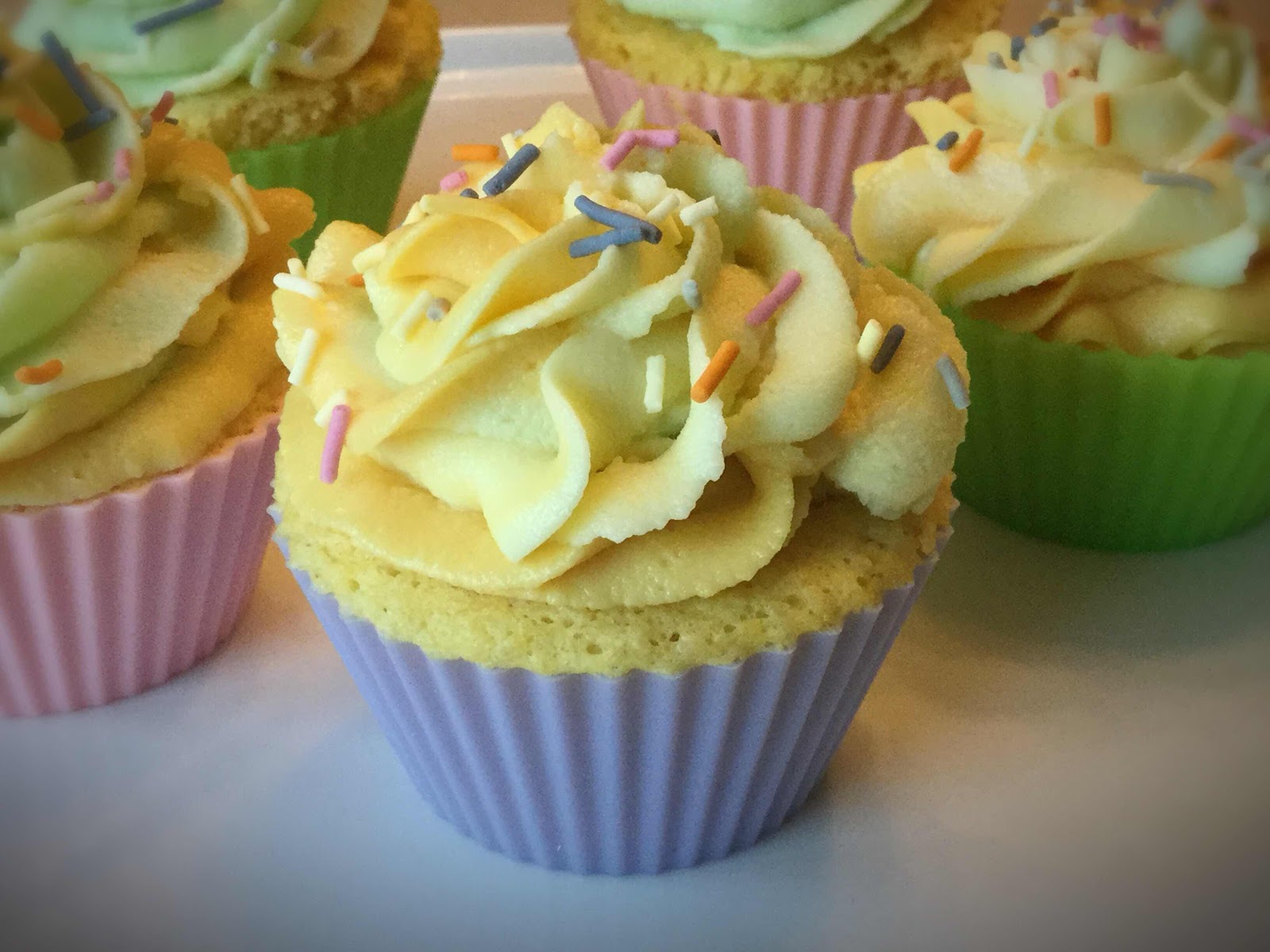
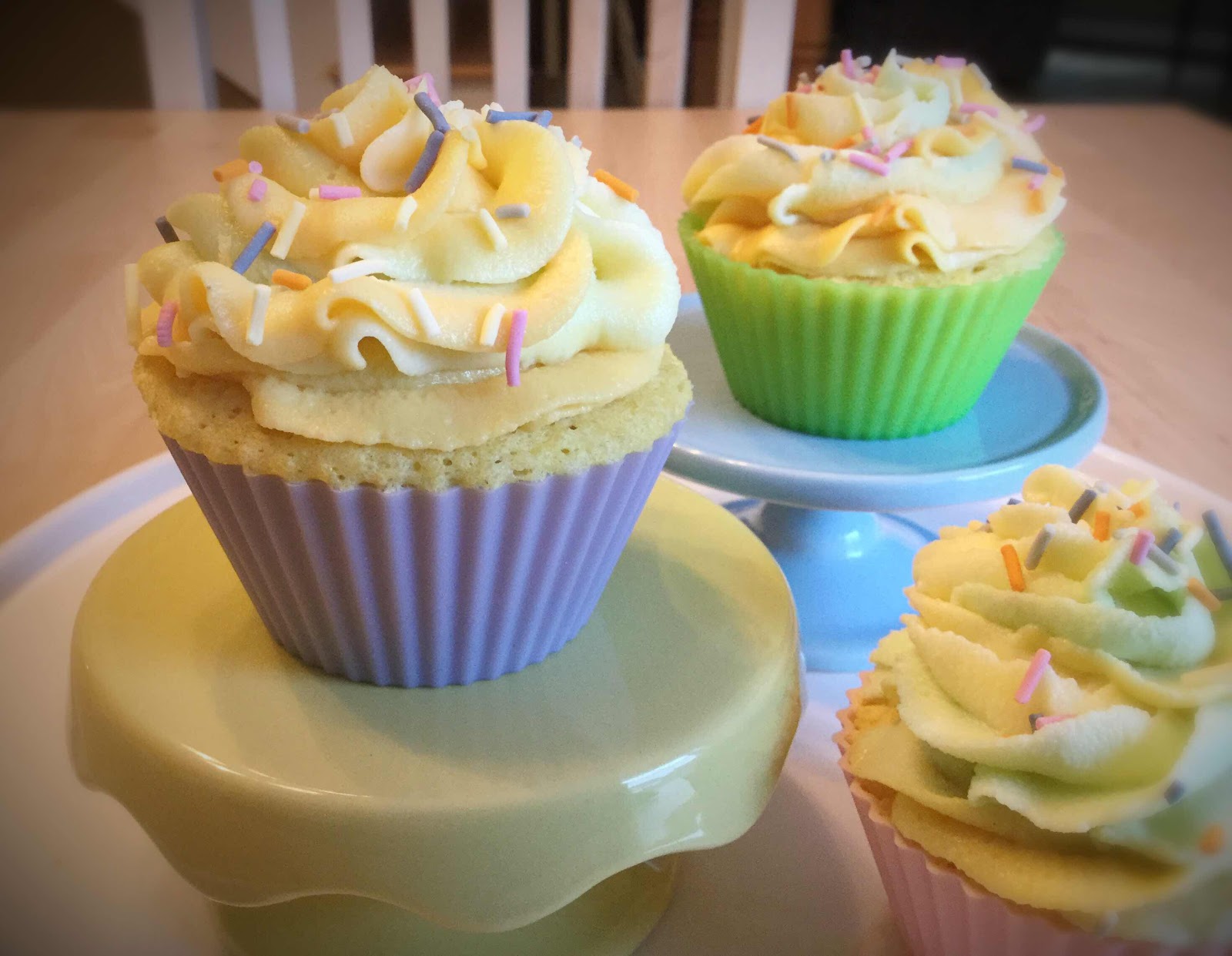
You don’t have to wait for a special occasion or dirty the entire kitchen to enjoy a few cupcakes! These light and delicious cupcakes bake in the microwave in about 40 seconds. Normally, I don’t think about the microwave when I want to bake a cake, but I have found that keto mug cakes made in a microwave rise beautifully and have a light, tender crumb. Just be sure you don’t overcook them or they can become tough. Silicone cupcake liners are microwave-safe, come in a variety of fun colors, are non-stick and hold their shape during cooking, so that’s what I use. (You can use paper liners, but you’ll need to support them in a microwave-safe cup so the cupcakes retain their shape during the cooking process. If you decide to use paper liners, make sure there is no metal in the liner or its printed design.) This quick recipe makes only three cupcakes, which is just enough to share with one or two friends. There’s no reason not to have a little party tonight!

40 Second Keto Lemon Cupcakes
Makes 3 cupcakes

Cupcake Ingredients:
1/4 cup almond flour
2 teaspoons coconut flour
1 tablespoon granulated erythritol sweetener
1/2 teaspoon baking powder
A pinch of salt
1 large egg
1 teaspoon lemon juice (or almond milk)
1/2 teaspoon lemon zest (or 1-2 drops of food grade lemon essential oil)
1/2 teaspoon vanilla extract
5 drops monkfruit extract (or liquid stevia)
1 teaspoon melted butter or ghee

Lemon Cream Frosting:
2 ounces cream cheese, room temperature 
2 tablespoons unsalted butter, softened
4 ounces plain mascarpone cheese, room temperature
1/4 cup powdered erythritol sweetener 
1 teaspoon vanilla extract
1/4 to 1/2 teaspoon lemon extract, to taste
1-2 tablespoons heavy cream

Sugar free sprinkles (optional)

1. In a small bowl, combine the first five dry ingredients (almond flour through salt) with a fork until thoroughly mixed; set aside.

2. In a separate bowl, whisk together the egg, lemon juice or almond milk, lemon zest, vanilla extract, monkfruit extract or stevia and melted butter.

3. Add the dry ingredients to the wet ingredients and whisk until just combined. Divide the batter equally among three silicone cupcake liners (or small greased ramekins). Microwave on high for 35-40 seconds or until the cakes have risen, look dry and the tops spring back when lightly touched in the center. Do not overcook! (Note: Cooking time may vary depending on the wattage of your microwave. Instructions for baking in the oven are provided below.*) Remove the cupcakes from the microwave and cool on a wire rack completely while you make the frosting.

4. To make the frosting: Whip together the room temperature cream cheese, butter and mascarpone cheese with an electric mixer until light and fluffy. Add the powdered sweetener, extracts and beat until combined. Add the heavy cream, one tablespoon at a time, until your frosting reaches the desired consistency. Taste and adjust sweetness to your liking. If desired, spoon the frosting into a piping bag with a decorating tip and frost your cupcakes or spread about 3 tablespoons of frosting onto each cupcake.

5. This frosting recipe yields more than you will need for 3 cupcakes, which allows for dividing into batches and coloring each differently using gel food colors (as shown). Store any leftover frosting in an airtight container in the refrigerator and save for another use. It will keep well for 4-5 days. Bring to room temperature and rewhip if needed to restore spreading consistency. 

*To bake the cupcakes in the oven, bake in a preheated 325 degree F oven for 16-18 minutes or until a toothpick comes out clean when tested and the tops spring back when lightly touched near the center.

40 Second Keto Cupcakes
Nutritional Information per 1 cupcake with 3 TB frosting: 210 calories, 5 g total carbohydrates (1 g dietary fiber, 0.4 g sugars, 2.7 g sugar alcohols), 20.3 g total fat (.8 g saturated fat, 0 g trans fat), 77 mg cholesterol, 278 mg sodium, 217.8 mg calcium, 19 mg potassium, 97 ug Vit A, 2 mg Vit C, 3.6 g protein. Net carbs per serving: 2 grams

Recipe and photos by Kathy Sheehan, copyright 2020
All rights reserved. Please do not duplicate without the author’s permission.
Tuesday, October 22, 2019

Keto Lemon Pasta

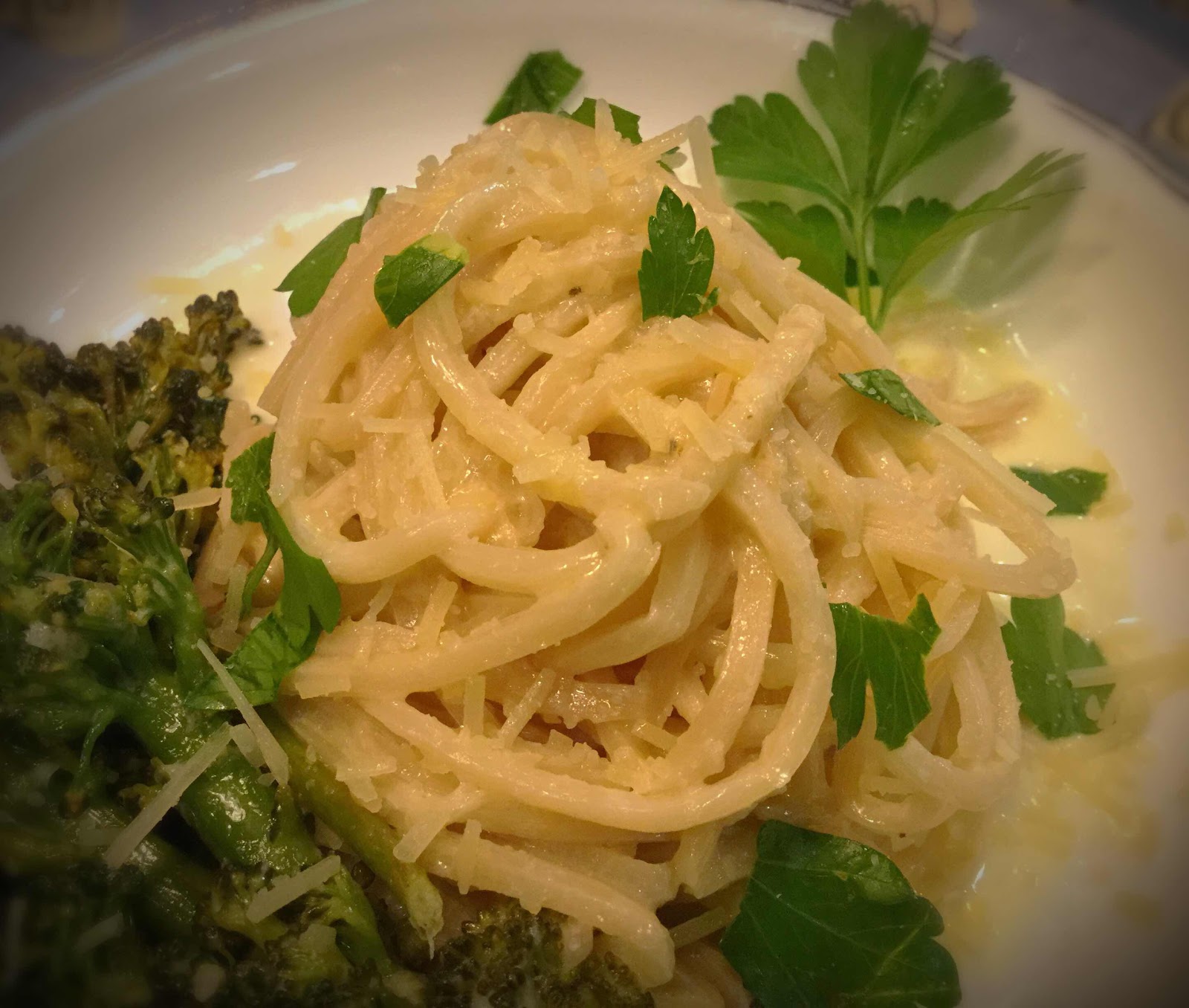
Keto Lemon Pasta
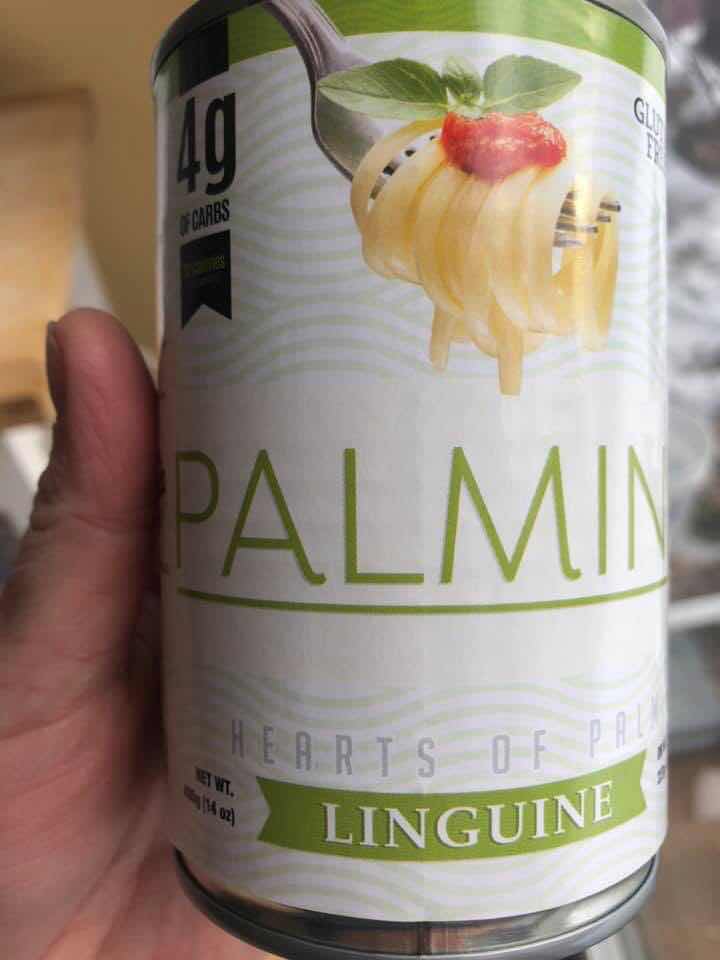
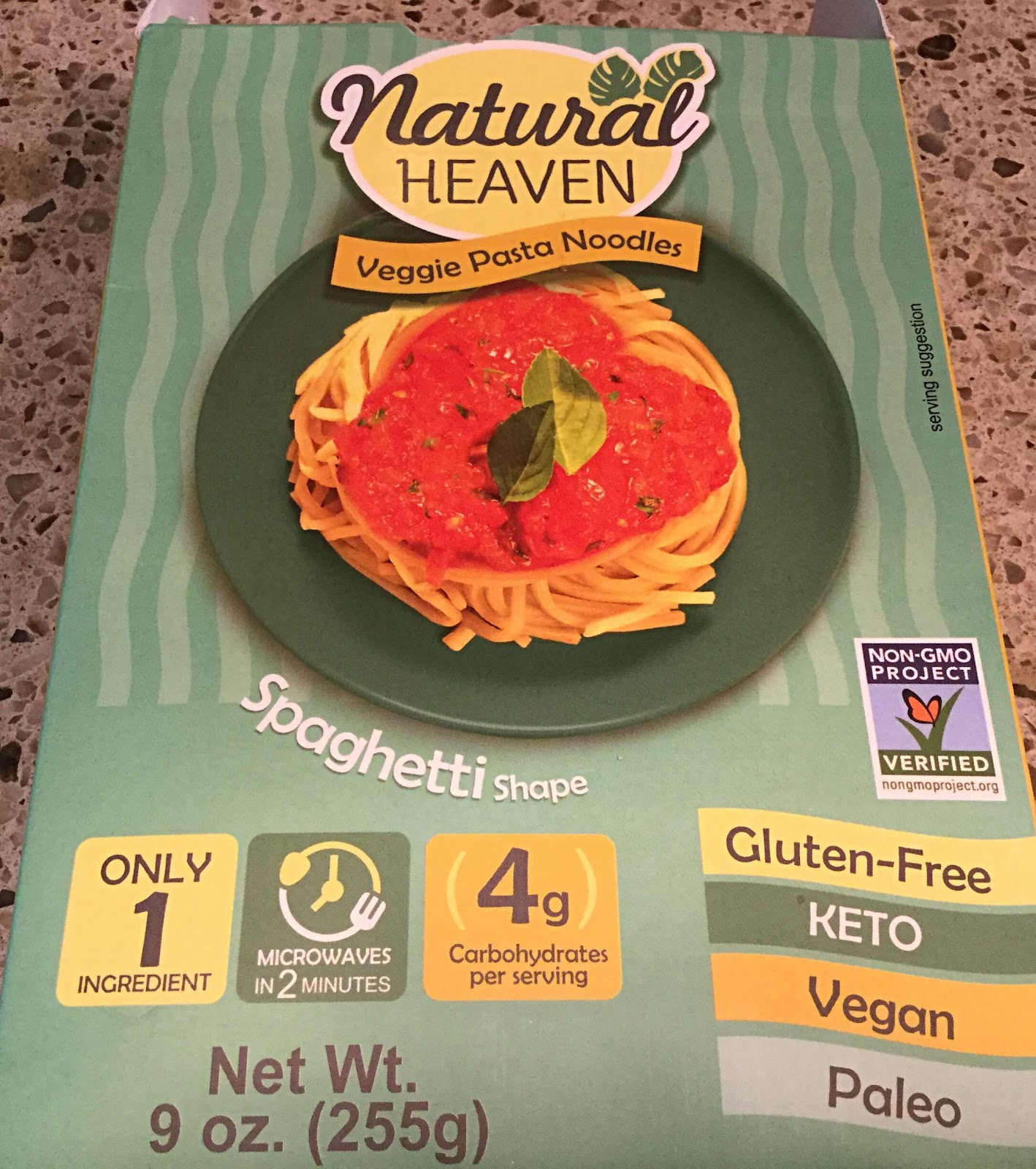
If you’re a diabetic and celiac and love pasta, your options are limited. For many years, I spirialized zucchini to make noodles or used shiritaki noodles, but I’ve since discovered noodles made from hearts of palm that are only 4 grams of carb per serving! They are far superior to any of the low carb options available and now they’re my go-to pasta alternative. There are two brands I recommend: Palmini brand, which can be purchased at WalMart, Costco, Sprouts, some other stores and online. My favorite that comes in spaghetti style is made by Natural Heaven and can be purchased on Amazon or on the company’s website.

Palmini Hearts of Palm Noodles
Natural Heaven Hearts of Palm Noodles
This recipe is excellent served alone as a vegetarian main or side dish, or served with fish or chicken. If you miss pasta, I highly recommend you give hearts of palm noodles a try soon!

Keto Lemon Pasta
Makes 2 servings

Sea salt or freshly ground pepper
1 package hearts of palm spaghetti or linguine noodles (9 oz)
4 tablespoons butter (1/2 stick)
1/4 cup heavy cream
Zest and juice of 1 lemon
Fresh chopped parsley for garnish
Shredded Parmesan cheese for garnish

1. Boil the hearts of palm noodles in salted water for a few minutes to soften.

2. Meanwhile, melt the butter in a large skillet. Add the zest and juice of one lemon, salt and pepper to taste and bring to a simmer. Add the heavy cream and continue to simmer until sauce is reduced and thickened slightly. When the sauce has thickened, strain the noodles and add them to the sauce. Toss the noodles in the sauce until well coated. If needed, continue to simmer until sauce reaches your desired consistency.

3. Divide the noodles and sauce between two serving plates. Garnish each with fresh parsley and parmesan. Serve immediately. (Store leftovers in an airtight container and refrigerate for up to five days. To reheat, gently warm in a covered, oven-proof dish at 350 degrees F for 25-30 minutes.)

Nutritional Information per serving (1/2 recipe): 347 calories, 7.6 g carbohydrate (2.9 g dietary fiber, 2 g sugars), 35.4 g total fat (21.8 g saturated fat), 102 mg cholesterol, 219 mg sodium, 36.5 mg calcium, 183 mg potassium, 352 mg Vit A, 16 mg Vit C, 2.1 g protein. Net carbs per serving: 4.7 grams

Photos and recipe by Kathy Sheehan, copyright 2019
All rights reserved. Please do not duplicate without the author’s permission.

Thursday, August 29, 2019

Blueberry Chaffles with Lemon Yogurt Cream

Blueberry Chaffle with Lemon Yogurt Cream
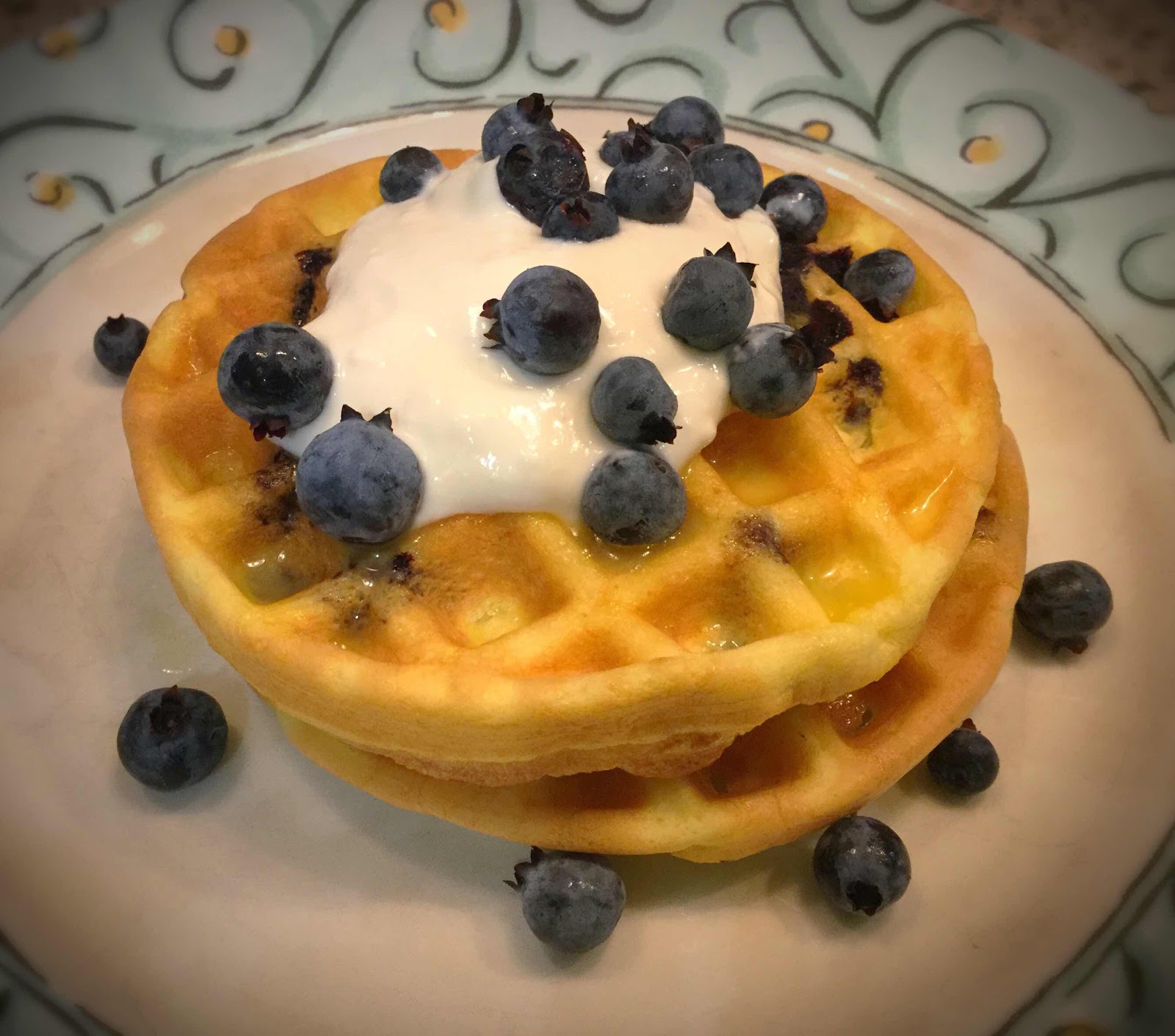
A chaffle wave is sweeping over the low carb world! What is a “chaffle?” It is a very low carb waffle made with a base of egg and cheese. They can be created in any flavor, from pizza to dessert, and are a good bread substitute for sandwiches, burgers and a bun for hotdogs. You can use any waffle maker, but the 4” Mini Dash Waffle Maker is just the right size, especially when making a single serving. This recipe makes two 4” chaffles. (If you’re using a larger waffle maker, you may need to double or triple this recipe.) The carb count is a very low 3.4g net carbs for two delicious chaffles bursting with fresh Maine blueberries! Of course, you can top them with your favorite sugar free syrup, but I enjoy mine with a dollop of Lemon Yogurt Cream. This is a quick and delicious breakfast and, because these mini waffles are so adorable, everyone in the family will want to join the chaffle craze! 

Blueberry Chaffles with Lemon Yogurt Cream
Makes 1 serving (two 4’ chaffles)

Chaffle Ingredients:
1 large egg, beaten
1 tablespoon cream cheese, softened (or substitute sour cream or ricotta)
1 tablespoon almond flour (or 1/2 tbsp coconut flour)
2-3 drops lemon extract, or to taste (can substitute 1/4 tsp vanilla extract)
5-6 drops Lakanto Monkfruit extract (or 1 tsp granulated erythritol)
1 teaspoon heavy cream
1/8 teaspoon baking powder
1 tablespoon fresh wild Maine blueberries (can use frozen, but choose the smaller, low bush berry, such as Wyman’s)

Lemon Yogurt Cream Ingredients:
1/4 cup plain, Greek yogurt
A few drops of lemon extract (or 1/2 tsp lemon zest)
4 drops of LaKanto Monkfruit extract (or stevia)

1. To make the chaffles, preheat your mini waffle maker. Whisk together all of the chaffle ingredients, except the blueberries, until a smooth batter forms. Add the blueberries and gently stir to incorporate. Spoon about 3-4 tablespoons of batter onto the preheated waffle maker and cook for about 3-4 minutes until golden brown. Remove to a wire rack to cool, meanwhile repeat with the remaining batter to make a second chaffle.

2. Make the Lemon Yogurt Cream by stirring the yogurt, extract (or zest) and sweetener together.

3. To serve, spread a small amount of butter on each chaffle, top with lemon cream and sprinkle with additional fresh blueberries. Enjoy!

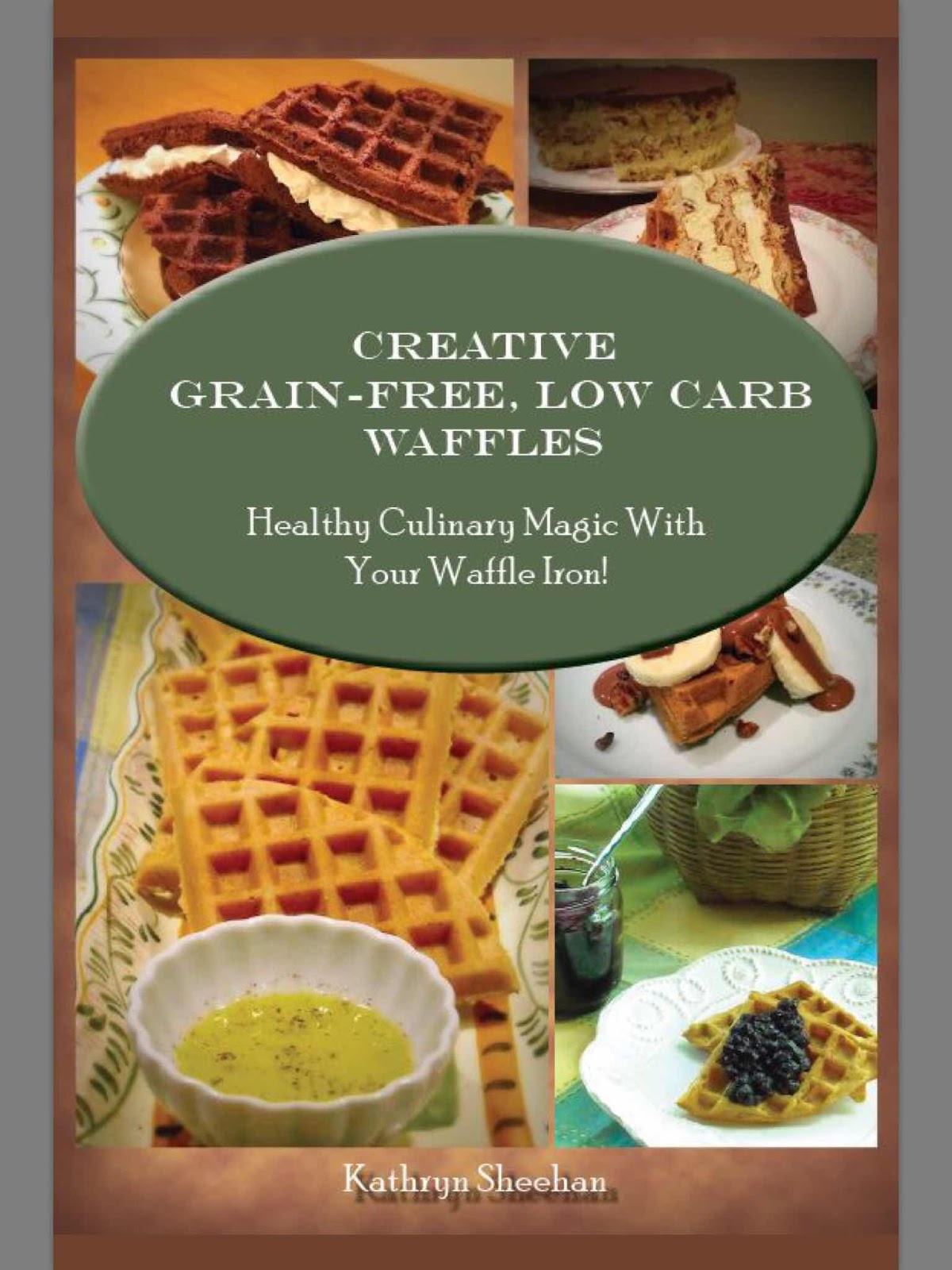
NOTE: If you’re looking for more low carb waffle and chaffle recipes, that can be made in any waffle maker, be sure to check out my book Creative Grain-Free, Low Carb Waffles: Healthy Culinary Magic With Your Waffle Iron available on Amazon Kindle or iBooks for only $2.99!

Creative Grain-Free, Low Carb Waffles
Nutritional Information per 2 chaffles (no topping): 176 calories, 4.4 g carbohydrate (1 g dietary fiber, 1.6 g sugars), 13.7 g total fat (5.4 g saturated fat, 0 g trans fat), 207 mg cholesterol, 171 mg sodium, 94.4 mg calcium, 128 mg potassium, 1 mg iron, 8.9 g protein. Net carbs per serving: 3.4 grams

Nutritional Information for Lemon Yogurt Cream: 56 calories, 2.5 g carbohydrate, 2.8 g total fat, 56.5 mg calcium, 5.1 g protein. 

Blueberry Chaffles
Photos and recipe by Kathy Sheehan, copyright 2019
All rights reserved. Please do not duplicate without the author’s permission. 
Wednesday, July 10, 2019

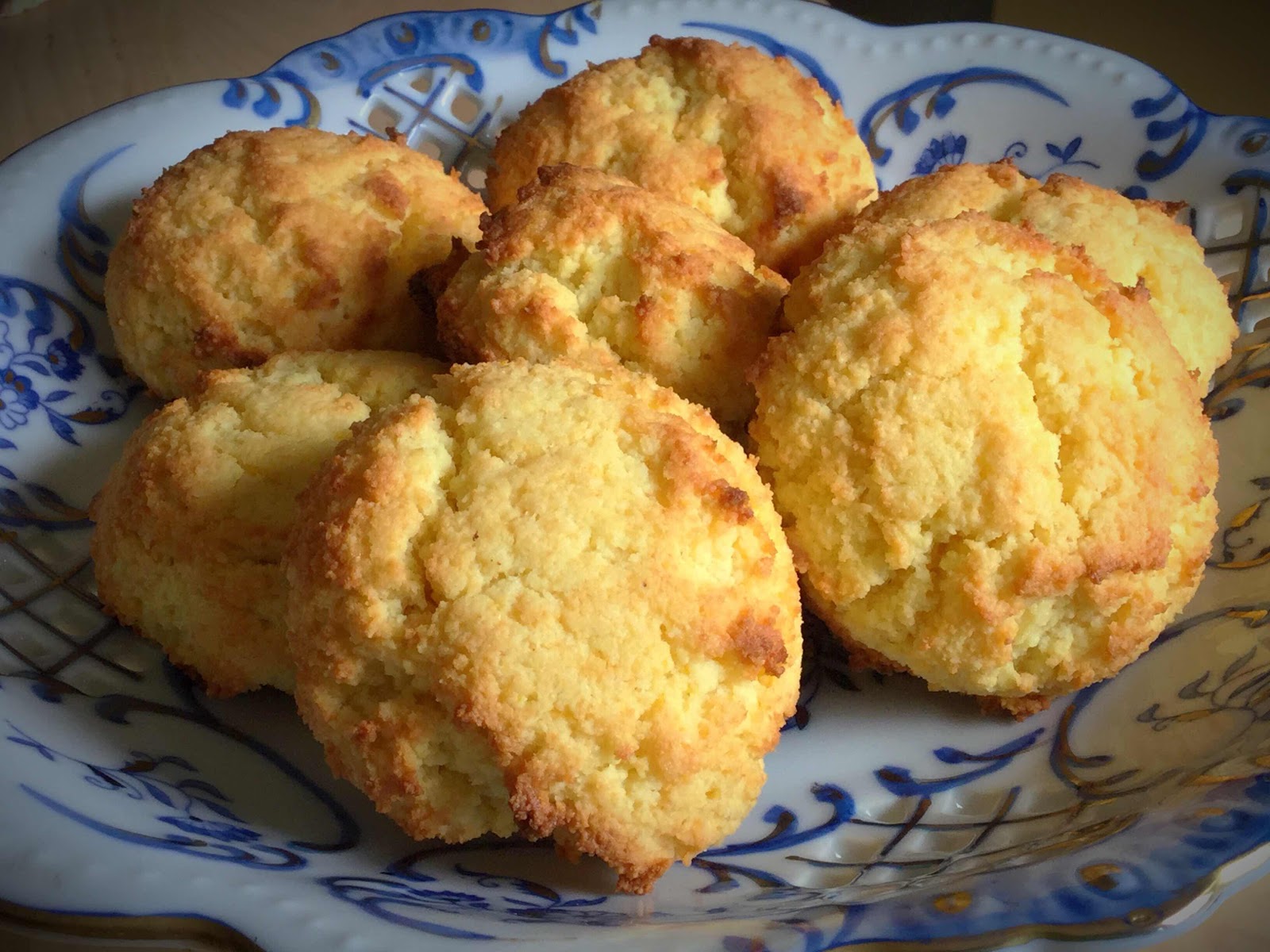
Low Carb Lemon Sour Cream Drop Scones

Low Carn Lemon Sour Cream Scones
These scones are perfect for breakfast or as the base for strawberry shortcake! Topped with fresh berries and drizzled with cream, these sweet biscuits are a heavenly summertime treat the whole family will enjoy.

Low Carb Lemon Sour Cream Drop Scones
Makes 10 scones

1/4 cup coconut flour
1-3/4 cup almond flour
1/3 cup granulated erythritol 
2 teaspoons baking powder
1/2 teaspoon xanthan gum
1/8 teaspoon salt
1/3 cup sour cream
2 large eggs, lightly beaten
2 tablespoons butter, melted
1 tablespoon fresh lemon juice
1 tablespoon lemon zest
1/4 teaspoon lemon extract

1. Preheat the oven to 350 degrees Fahrenheit. Grease or line a large baking sheet with parchment paper and set aside.

2. In a large mixing bowl, whisk together the coconut flour, almond flour, erythritol, baking powder, xanthan gum and salt until no lumps remain. Add the sour cream, beaten eggs, melted butter, lemon juice, lemon zest and extract and stir vigorously until well combined and a thick batter forms.

3. Using a large cookie scoop (or ice cream scoop), drop the batter onto the prepared baking sheet. With wet fingers, level out the tops slightly so the biscuits are not rounded, but do not press down or flatten. Bake for 25 minutes or until the scones are firm to the touch and lightly browned.

4. Remove from the oven and cool on a wire rack. These can be stored in an airtight container at room temperature for 2-3 days or be frozen for up to 3 months. To serve from frozen, thaw first and reheat in a 300 degree oven for 5-8 minutes.

5. Serving suggestion: Serve with Devonshire Clotted Cream or room temperature butter. Or cool the scones completely, split in half lengthwise and top with fresh berries and cream.

Nutritional Information per scone (no topping): 175 calories, 6.7 g carbohydrate (3.3 g dietary fiber, 0.9 g sugars), 14.9 g total fat (3.8 g saturated fat, 0 g trans fat), 46 mg cholesterol, 136 mg sodium, 125 mg calcium, 171 mg potassium, 1 mg iron, 170 mg Vit A, 2 mg Vit C, 6.1 g protein. Net carbs per serving: 3.4 grams

Photo and recipe by Kathy Sheehan, copyright 2019
All rights reserved. Please do not duplicate without the author’s permission. 
Friday, July 29, 2016

Blueberry Mug Muffin with Easy Cultured Butter


I was lying in bed this morning, thinking about what I might want for breakfast, when an idea flashed into my mind: Blueberry Muffin. This is a twist on my favorite Mug Cake recipes but, instead, it's a Mug Muffin! And to make it even extra healthy, I mixed together kefir cheese and butter to create a simple and quick cultured butter as a spread. YUM...so delicious! I highly recommend using the smaller wild Maine blueberries for this recipe so they won't sink to the bottom (like mine did in this picture) but, even if the bigger variety of berry is all you have, it will still taste amazing, especially topped with creamy butter. (It would also be great made with raspberries.) This delightful breakfast was a great way to start a beautiful summer day in Maine!

Blueberry Mug Muffin
Makes 2 servings

2 tablespoons almond flour/meal
2 teaspoons coconut flour
2 teaspoons LaKanto Monkfruit sweetener (or other erythritol sweetener)
1/4 + 1/8 teaspoon stevia powder (I used Sweet Leaf brand)
A pinch of salt
1/2 teaspoon baking powder
1/8 teaspoon lemon extract or 1 teaspoon lemon zest (or 2 drops dietary-grade lemon essential oil)
1/2 teaspoon vanilla extract
5 drops Lemon Drop stevia (I used Sweet Leaf brand)
1 large egg
1 tablespoon butter, melted (use ghee for dairy-free)
1 tablespoon small wild blueberries (fresh or frozen)

1. Melt the 1 tablespoon of butter in a mug by microwaving on high for about 15 seconds; set aside.

2. In a small mixing bowl, combine the almond flour, coconut flour, sweeteners, salt and baking powder. Stir with a fork until well combined and no lumps are visible.

3.  Add the melted butter, extracts, lemon stevia drops, and egg. Whisk with a fork until a smooth batter forms. Take a paper towel and coat the bottom and sides of the mug with any butter remaining in the mug. Add 1/2 of the blueberries to the batter and gently fold to incorporate and pour into the prepared mug. Top batter with remaining berries.

4. Microwave on high for about 45 seconds.* Remove and test by touching the muffin near the center. It is done when the batter on top of the muffin looks set and springs back when touched lightly. If additional cooking time is needed, microwave at 10 second intervals and retest. Do not overcook. Allow the muffin to cool in the mug for 1 minute.

5. Invert the muffin onto a serving plate and allow to cool for 1-2 minutes. Serve immediately with butter or store leftovers in an airtight container at room temperature for 1 day. This recipe makes 2 servings.

*To bake in the oven, divide batter into two greased muffin tins or ramekins and bake at 325-degree Fahrenheit for 16-18 minutes or until toothpick comes out clean when tested or muffins spring back when touched near the center. 

These muffins can be microwaved or baked in the oven. Both methods are equally delicious!
Nutritional Information per 1/2 recipe: 143 calories, 6 g carbohydrate (1.7 g dietary fiber, 0.9 g sugars, 4 g sugar alcohols), 11.7 g total fat (4.9 g saturated fat, 0 g trans fat), 113 mg cholesterol, 173 mg sodium, 114.5 mg calcium, 88 mg potassium, 5 g protein.  Net carbs per serving: 4.3 grams

Easy and Quick Cultured Butter: Mix together 2 tablespoons softened butter, 1 tablespoon kefir cheese (to make kefir cheese, click here) and 1/4 teaspoon honey.  This probiotic-rich buttery spread is excellent on muffins, pancakes and waffles.

Recipes by Kathy Sheehan, copyright 2016
All rights reserved. Do not duplicate without author's permission.

Monday, June 20, 2016

Shortcake in a Mug


It's strawberry season again and there's nothing that says summer like Strawberry Shortcake! I normally don't eat a lot of fruit but, when it's fresh, in season and local, I usually indulge in a pint or two. This is my favorite way to eat strawberries. The best part about this recipe is how quick and easy it is to make the shortcakes. Taking only 45 seconds in the microwave, this mug cake will be ready in minutes to split and share with a friend, topped with sweet berries and a dollop of whipped coconut cream laced with vanilla. (If you can't find a friend to share it with, save half of the shortcake for later.) The cake itself isn't overly sweet, so the flavor of the berries will shine forth. The slight hint of lemon gives it a nice touch and will go well with any fruit. Enjoy the summer!

Shortcake in a Mug
Makes 2 servings

1/4 cup almond flour
2 teaspoons golden flaxseed meal or coconut flour
1 tablespoon Lakanto Monkfruit sweetener (or other erythritol sweetener)
1/2 teaspoon baking powder
A pinch of salt
1 egg, slightly beaten
1 teaspoon lemon juice (or almond milk)
1/2 teaspoon lemon zest (or 1-2 drops dietary grade lemon essential oil)
1/2 teaspoon vanilla extract or unsweetened vanilla powder
5 drops monkfruit extract or liquid stevia
1 teaspoon melted butter (or ghee for dairy free)

1. In a small bowl, combine the first five dry ingredients with a fork until thoroughly mixed.  Add the egg, lemon juice or almond milk, lemon zest (or essential oil), vanilla extract, monkfruit extract or liquid stevia.

2. Melt the butter in an eight-ounce mug or ramekin and add to the batter mixture. With a paper towel, wipe any butter remaining in the mug around the sides and on the bottom of the mug; set aside.

3. With a fork, beat the cake batter until all ingredients are combined and pour into the greased mug or ramekin. Microwave on high for about 45 seconds or until the cake has risen, looks dry and the top springs back when touched lightly in the center. (Note: Cooking may take a bit less or more time, depending on the wattage of your microwave and the mug you are using. You may need to experiment to discover the best amount of time needed to cook your cake. When you have done this, make a note of the mug used and the proper cooking time so, the next time you make a mug cake, you'll know what works best for you.)

4. Allow the cake to cool for a few minutes before running a sharp knife around the edge and inverting your mug to release the shortcake.  Split the cake into two servings, top one half of the shortcake with your favorite berries and whipped cream or whipped coconut cream (recipe below).  Repeat with the other half of the shortcake or cool and store in an airtight container for later. Serve and enjoy.

To make whipped coconut cream: Place a can of full-fat coconut milk in the refrigerator overnight. Do NOT shake the can!! Open and spoon out the thickened coconut cream at the top and discard the liquid (or use for another purpose). Add stevia powder and vanilla to taste and whip with a whisk or fork until well combined and it has the consistency of whipped cream. Serve immediately or store in the refrigerator.

Nutritional Information per 1/2 shortcake (not including berries or topping): 144 calories, 5.3 g carbohydrate (2.2 g dietary fiber, 0.7 g sugars), 11.7 g total fat (2.4 g saturated fat, 0 g trans fat), 99 mg cholesterol, 153 mg sodium, 132 mg calcium, 152 mg potassium, 6.6 g protein. Net carbs per serving: 3.1 grams

Recipe by Kathy Sheehan, copyright 2016

Friday, December 11, 2015

Berry Blue Kefir Smoothie


More and more research is coming out that having dysbiosis (an imbalance of good and bad bacteria in the gut) is associated with obesity and most chronic illness, such as diabetes, neurological disorders, depression, anxiety, IBS, Crohn's disease and even cancer. It is important to include probiotic rich, cultured and fermented foods (such as yogurt, kefir, sauerkraut and fermented vegetables) in the diet and I have personally experienced fewer food sensitivities, more stable blood glucose levels and lower blood pressure since consuming these foods daily.  Making kefir at home is easy! (see my previous post here)  I include it as an ingredient in every morning smoothie I make.  It's creamy and delicious.  Another ingredient in this smoothie is Camu powder, made from a tropical berry.  Because it has one of the highest vitamin C content of any fruit, much more than an orange, I like to add it my smoothies especially at this time of year when colds and the flu are going around.  This smoothie is bright and refreshing and will give you a power boost of energy in the morning.  I like to add 1 tablespoon of melted coconut oil to this smoothie for added brain boosting and gut healing benefit.  When I have this kefir smoothie for breakfast, I'm not hungry again for many hours!

Berry Blue Kefir Smoothie
Makes 1 serving

1/2 cup plain, unsweetened coconut milk kefir (or dairy kefir, if you can tolerate dairy)
1 cup unsweetened non-dairy milk (I used flax milk, but almond would work well)
1/3 cup frozen blueberries
1/2 teaspoon camu powder
1/8 teaspoon stevia powder or to taste (I used Sweet Leaf brand)
1/4 teaspoon lemon extract or 2 drops dietary-grade lemon essential oil (optional)
3 ice cubes
1/4 cup water

Place all of the ingredients in a blender and blend until smooth and creamy.  Pour into a tall glass and serve immediately.

Nutritional Information per serving (made with coconut milk kefir): 311 calories, 11.4 g carbohydrate (0.9 g dietary fiber, 6.7 g sugar), 28.1 g total fat (18 g saturated fat from the coconut, 0 g trans fat), 0 mg cholesterol, 103 mg sodium, 302.2 mg calcium, 50 mg potassium, 1.8 g protein.  Net carbs per serving: 10.6 grams

Recipe by Kathy Sheehan, copyright 2015

Sunday, February 1, 2015

Lemon-Blueberry Dream Green Smoothie


This green smoothie is a delicious combination of lemon and blueberries. I can't even taste the greens, but knowing they are there makes me feel good!  This is alkalizing from the lemon and packed with healthy antioxidants and phytonutrients from the greens and blueberries and is one of my favorite breakfast smoothies.  I'm eating a very low carb, high fat diet, which is very successfully controlling my diabetes.  If I put too much fruit in my smoothie, it can upset my blood sugars and ruin my whole day!  This recipe easily fits into my daily allotment.  The addition of both healthy coconut and flax seed oil suppresses my hunger and prevents cravings by keeping my blood sugar steady throughout the morning.  (If desired, you can use half the amount of these oils, but both are healthy sources.  Healthy sources of fat play many important roles in the body and should not be feared or avoided.  Coconut oil contains medium-chain fatty acids and is fuel for the brain.  Flax seed oil is an excellent source of Omega 3's.)  If you're looking for a refreshing and energizing way to start your morning, look no further.  This smoothie will satisfy!

Lemon-Blueberry Dream Green Smoothie
Makes 1 serving

3/4 cup unsweetened flax or almond milk (or your favorite milk)*
1/4 cup full-fat plain coconut yogurt (or your favorite plain yogurt or kefir)*
2 tablespoons frozen wild blueberries
1-1/2 cups baby kale, spinach or swiss chard (I use an organic blend)
2 slices of lemon with peel, each slice 1/4" wide (organic is preferred)
1 teaspoon chia seeds
1 tablespoon flax seed oil
1 tablespoon coconut oil
10-15 drops of Lemon Drop flavored liquid stevia (I use Sweetleaf brand)
1/2 cup water
4-5 ice cubes

Place all of the ingredients in a blender and blend on high until smooth.  Pour into a tall glass and enjoy!

Nutritional Information per serving: 412 calories, 10 g carbohydrate (4 g dietary fiber, 3.1 g sugars), 40 g total fat (19.3 g healthy source of saturated fat, 0 g trans fat), 0 mg cholesterol, 141 mg sodium, 356 mg calcium, 26 mg potassium, 4.2 g protein.  Net carbs per serving: 6 grams

* For those with food allergies: To make a dairy free smoothie, use a non-dairy milk, yogurt or kefir.

Recipe by Kathy Sheehan, copyright 2015

Saturday, January 25, 2014

Drink Your Vegetables!


This is a continuation of the "Love Your Vegetables" post from last week and the theme this week is juicing.  What's all the hype about?  Many doctors recommend it as an additional way to get the micro-nutrients in fruits and vegetables.  Those micro-nutrients are easier to absorb without the bulk of fiber that accompanies the fresh produce.  But is it a healthy idea, especially for someone who has problems metabolizing carbohydrates?  Making fresh juice appealed to me, so I talked to my doctor about it and this is what he said:  Yes, juicing vegetables is an excellent idea but, because of the high sugar content of fruit, it should be limited, preferably to lower glycemic fruit that includes green apples, berries, cherries, grapefruit, lemons and limes.  Fresh vegetable juices can be tolerated and beneficial, if a person's blood sugar is fairly well managed.  For someone whose blood glucose isn't stable, drinking green smoothies might be a better choice.

I've been vegetable juicing now for several months and I've seen a reduction in my high blood pressure and I have more energy throughout the day.  My blood glucose readings have remained in the normal range and I enjoy making fresh juice!  I love that I can drink the nutrients from an entire, heaping plate of vegetables (see photo above). From my experience, the more vegetables I can consume, the better my health and well-being!

Before you run out to buy a juicer, here are some tips I would suggest:

1.  Do your homework before buying!  There are several types of juicers available that work in different ways and at various prices.  I'm not going to go into a whole lesson here, but I highly recommend that you consider carefully before investing in a juicer.  My #1 Rule: Try vegetable juicing without a juicer first, to see if you like the taste, before buying!  Try this method for several weeks to see if you're really serious or if the idea was a passing fancy. (See directions below for how to make juice without a juicing machine.)

2.  Go into it with the knowledge that you'll be juicing mostly vegetables, with maybe a small amount of fruit for sweetness.  If additional sweetness is desired, add drops of liquid Stevia to taste.

3.  To minimize a blood sugar spike, don't drink juice alone or an entire batch at once.  Combine an 8 ounce glass of fresh juice (or less) with a meal or snack that contains some protein and/or fat.  If you've made more than 8 ounces, pour the remainder into a glass water bottle, place it in the refrigerator and have a little with every meal throughout the day with the idea of consuming the entire batch within 24 hours for the most nutritional impact.  For a diabetic, it can be better tolerated to add back some of the fiber removed by juicing.  For example, sometimes I stir a spoonful of fiber powder into my fresh juice before drinking, especially if it contains a higher glycemic fruit.

4.  Test your blood sugar level 1 and 2 hours after consuming juice.  This will tell you how your body reacts to juice and whether it can be tolerated.  After two hours, your blood sugar reading should be below 150 or back to normal.

5.  Finally, vegetable juicing doesn't replace eating vegetables!  Fresh vegetables and fruit contain much needed fiber, that's often lacking from the standard diet.  Juicing is just another way to add more vegetables and their healthy micro-nutrients to your diet in a rather pleasant way.

RECIPE IDEA:  Green Lemonade!


Typically, I juice whatever vegetables I have on hand at the moment and throw in a clementine and lemon or green apple.  I have found that I can juice parts of a vegetable I normally wouldn't eat, such as broccoli stalks or the woody ends of asparagus.  In this recipe, the tart lemon becomes the predominate flavor that hides the more earthy or pungent flavors of the vegetables.  With a few drops of liquid Stevia, lemonade is the result!

Green Lemonade
Makes 2 servings

1 clementine
3 stalks of celery
1/4 savoy cabbage (or 2 cups other leafy greens)
2 carrots
1/2 or 1 small lemon, with peel
1/2 cucumber or zucchini
2 broccoli stalks (about 1-1/2 cups)
4-6 drops of liquid Stevia or to taste (add after juicing)

Wash and cut vegetables to the size that will feed into your juicer.  According to the manufacturer's instructions, juice the vegetables.  Add Stevia and stir.  Pour over ice and serve immediately.

To make juice without a juicing machine:  Cut up all of the vegetables and fruit and place into a blender.  Add enough water to allow the mixture to swirl freely.  Blend on high until mixture is smooth.  Strain through a couple of layers of cheese cloth or a nut milk bag until all the liquid has been extracted.  You may need to gently massage and squeeze the bag to drain thoroughly.  Add Stevia to taste and serve over ice.

Nutritional Information per serving: 71 calories, 21.3 g carbohydrate (1 g dietary fiber, 9 g sugars), 0.7 g total fat (0 g saturated fat), 0 mg cholesterol, 113 mg sodium, 115 mg calcium, 132.3 mg vitamin C, 830 mg potassium, 5 g protein.

Recipe by Kathy Sheehan, copyright 2014.

Tuesday, July 2, 2013

Lemon Mug Cake


Cake from a microwave?  Can it really be good?  The answer is YES!  This is a very quick, easy and versatile recipe.  If served as a single serving, it's delicious as the main course for breakfast, brunch, a quick and light lunch or, when divided into two portions, it makes a perfect snack or dessert.  The addition of flaxseed boosts the nutritional complexity, making this cake an excellent source of dietary fiber, Omega 3 and 6 fatty acids, thiamine, magnesium, manganese and copper.  Who would guess that something that tastes so decadent would deliver such a healthy punch?  The cake is meant to be eaten warm, right out of the microwave or oven.  Top it with crushed raspberries, strawberries or blueberries for even more antioxidants, vitamins and fiber.  It's gluten free, sugar free, and low carb -- who could ask for more?

Lemon Mug Cake
Makes 1 meal-size serving (or 2 dessert servings)

1/4 cup almond flour (or finely ground almonds)
1 Tablespoon ground flaxseed meal
1 Tablespoon gluten free all-purpose baking mix
1/2 teaspoon GF baking powder
1 and 1/2 Tablespoons Splenda granular (or other sweetener of your choice)
1 teaspoon fresh lemon zest
1/2 Tablespoon salted butter, melted and cooled slightly
1 large egg
juice from 1/2 lemon (about 1 TB)

1. Spray an 8 ounce microwaveable or oven-proof ramekin or mug with non-stick vegetable spray: set aside.  (If making two servings, prepare two 1/2 cup custard cups or mugs.) 

2. In a small bowl, mix together the dry ingredients (almond flour through lemon zest).  With a fork, stir until well mixed.  In another bowl, beat the egg, melted butter and lemon juice until blended.  Add all at once to the dry ingredients and whisk with a fork until all the dry ingredients are moistened.  Pour batter into the prepared dish(es). 

3.  Microwave on high for 1 minute and check for doneness.  The cake will puff up and begin to release from the ramekin or mug along the edges.  The center should be puffed and almost set (the cake will continue to cook slightly after being removed from the microwave).  If the center is still sunken and soft, microwave for an additional 15 seconds.  The cake should spring back when touched slightly off center.  Do not overcook.  Remove from microwave and allow to cool for about 5 minutes before serving.  (Note: For two dessert-size servings, divide batter into two dishes and microwave on high for 40 seconds and then test for doneness.  If more cooking is required, microwave in 10 second intervals until desired consistency is reached.)

4.  For oven cooking: Preheat oven to 350-degrees. Bake for about 12-14 minutes or until center springs back when touched.  Cool for about 10 minutes before serving.

5.  Top with berries that have been crushed with the tines of a fork and sweetened with 1 teaspoon Splenda and whipped cream, if desired (optional).

Nutritional Information per entire recipe (1 meal-size serving, no toppings): 353 calories, 18.6 g total carbohydrate (6.1 g dietary fiber, 3 g sugar), 27.3 g total fat (6.1 g saturated fat, 0 g trans fat), 210 mg cholesterol, 298 mg sodium, 270.4 mg calcium, 35 mg potassium, 14.4 g protein.  (Note: For a dessert size serving, divide the batter into two dishes and cut the nutritional information by half.)

Recipe by Kathy Sheehan, copyright 2013

Thursday, December 30, 2010

Limoncello Pasta

My husband and I spent a wonderful week in Rome about a month ago and I'm still dreaming about the incredible Lemon Pasta we had at La Sacarestia near the Pantheon (twice). Yesterday, I was thumbing through a fun Trader Joe's cookbook I received for Christmas from my sister and was intrigued by one of the recipes. It was pasta topped with a lemon-vodka sauce, which sounded like it might be similar. The only problem was that it called for an entire container of mascarpone cheese as a base for the sauce! Knowing it would be too high in saturated fat, I began thinking of a way to lighten the dish. I happen to have a bottle of limoncello liqueur in the fridge and thought it might boost the lemon flavor, as well. To make a long story short, let me just say that I may have found the perfect combination of ingredients and portion size that will allow me to feast on my Roman Lemon Pasta more often! It goes very well with simple, grilled chicken breasts or tenders. A side of sauted spinach completed this healthy, quick and delicious meal.

Limoncello Pasta
(Makes 4 side-dish servings)

4 oz. dry angel hair pasta (I used Dreamfield's)
1 tablespoon unsalted butter
1½ tablespoon all-purpose flour
2/3 cup chicken stock, warmed in microwave
Zest from one lemon
Juice from one lemon
1½ tablespoons limoncello liqueur
¼ cup mascarpone cheese
1 teaspoon dried basil leaves
Salt & freshly ground pepper to taste

1. Prepare the pasta according to package directions.

2. Meanwhile, in a medium saucepan, melt the butter. Add the flour, whisk and cook for about 45 seconds. Slowly add the warmed chicken stock while whisking constantly. Bring to a boil and reduce heat to a simmer. Cook, stirring frequently, until thickened. Add the lemon zest, juice, limoncello, mascarpone cheese, basil, salt and pepper. Stir until cheese has melted and mixture is smooth.

3. Drain pasta and toss with lemon sauce. Serve immediately.

Nutritional Information per serving: 203.2 calories, 25 g carbohydrate, 9.5 g total fat, 5.2 g saturated fat, 77.4 mg sodium, 2.7 g fiber, 4.9 g protein.

Original recipe by Kathy Sheehan, copyright 2010

Added 1/10/11:
I wanted to make this dish for an Italian Potluck reunion of my Rome traveling friends. To make this dish for a crowd and more portable, I first chose to use penne pasta instead of angel hair. I tripled the recipe, boiled the pasta for only 5 minutes, combined it with the sauce and poured it into a 13"x9" casserole dish. I topped it with a mixture of ½ cup breadcrumbs mixed with lemon pepper and 2 tablespoons olive oil. I baked it in a 400-degree oven for about 25 minutes. This variation makes 12 side dish portions.

Monday, April 26, 2010

Lemon Tart Thumbprint Cookies

Outside the sun is shining and my garden is blooming with daffodils and tulips. A spring day, such as this, calls out for something light and sweet. These delicate and delicious cookies, with their beautiful sunny-yellow centers, taste like miniature lemon tarts.

The secret ingredient that gives these cookies their bright, citrus flavor is lemon curd. Once a speciality item, it is now commonly found in most supermarkets in the jelly and jam section. The thing that is so wonderful about lemon curd is that a tiny bit packs a flavorful punch! In this recipe, I've used it both in the dough and as a filling to give this cookie a delightfully bold lemon flavor that will linger on your palette. If you like these sweet gems, you might enjoy substituting lime curd, lime zest and juice for the lemon for a slightly different taste experience. Also, when the two flavors are arranged together on a plate, they'll make an attractive presentation of spring colors for your next get-together.

Lemon Tart Thumbprint Cookies
(Makes 30 cookies)

1 cup almond flour (or finely ground blanched almonds)
¾ cup all-purpose flour
1 teaspoon baking soda
½ teaspoon baking powder
¼ teaspoon salt
Zest and juice from 1 lemon (strain juice of pulp)
4 tablespoons unsalted butter, softened
2 tablespoons mascarpone cheese
¾ cup Splenda granular (not baking blend)
2 tablespoons lemon curd
1 large egg
2 teaspoons lemon extract
2½ tablespoons lemon curd for filling

1. Preheat oven to 375-degrees. If desired, line cookie sheet with parchment paper; set aside.

2. In a small mixing bowl, sift together the flours, baking soda, baking powder, lemon zest and salt; set aside.

3. In a large mixing bowl, cream together the butter and mascarpone cheese with a handheld or standing mixer until light and fluffy. Add Splenda and beat on medium speed until combined. Add egg, lemon extract and the 2 tablespoons lemon curd and beat on high speed until well incorporated and thickened slightly, about 2 minutes. Add lemon juice and continue beating until just combined.

4. With a wooden spoon, fold in dry ingredients until a soft dough forms. Drop by rounded teaspoon approximately 2 inches apart onto the prepared cookie sheet. Use your thumb to press a slight indentation into the center of each cookie and fill with ¼ teaspoon lemon curd. (If necessary, dip your thumb into flour to prevent dough from sticking.) Bake until set, about 8-10 minutes. Cookies will not brown much, except around edges, so watch carefully and do not overbake. Immediately remove from cookie sheet onto wire rack to cool.

Nutritional Information per cookie: 64.8 calories, 5.6 g carbohydrates, 4 g total fat, 1.4 g saturated fat, 0.5 g fiber, 77.8 mg sodium, 1.4 g protein.

Original recipe by Kathy Sheehan, copyright 2010

Wednesday, February 17, 2010

Lemon Pasta Primavera

I am reading a book in which the author moved to Rome to live (and eat) after an agonizing divorce. As she strolls the winding streets of this magnificent city, dining in one tucked away restaurant after another, I am reminded of my two visits to Italy and all the wonderful food. The saying is, "You can't get a bad meal in Rome," and it's true! My husband, daughter and I found a wonderful little place not far from the Pantheon where my daughter ordered the most delicious Lemon Spaghetti. After one taste, I couldn't stop my fork from wandering over into her plate for more and more, until I had eaten at least half of her dinner. (Don't worry, I shared my Carbonara with her, so she didn't starve.) On a return trip to Rome a few years later, we found that restaurant again and I ordered my own plate of this never-to-be-forgotten pasta and savored every tangy mouthful.

Reading this book had me dreaming of that unique pasta dish again, so I had to think of a way to fit it into my food plan. Considering I rarely eat pasta anymore and will never sit down to a heaping plate of it again (until I return to Rome), I decided that a variety of fresh sauted vegetables and only a little pasta might just satisfy my craving. It worked! This makeover recipe has the exact, same tangy flavor that so captivated my senses in Rome and I feel good knowing it is made with healthier ingredients. You might also enjoy adding shrimp along with the vegetables to boost the protein. (Sadly, my husband is allergic to shellfish, so I had to leave it out.) The small amount of pasta interspersed among the beautiful plate of spring vegetables is just enough to make me think I'm eating the real deal! All I have to do is close my eyes and I'm back in Italy again.

Just an aside: If you're looking for a meatless meal this Lenten season, give this one a try. But I must warn you, if suffering and sacrifice is your main objective, then maybe save this recipe for another day because you will not feel deprived in any way while eating this!

Lemon Pasta Primavera
(Makes 4 servings)

Zest and juice of 2 lemons
3½ tablespoons + ½ teaspoon extra-virgin olive oil, divided
2½ ounces dry linguini or spaghetti noodles (I suggest Dreamfield's or Carba-Nada)
4 ounces sliced white mushrooms
½ small onion, thinly sliced
2 cups broccoli florets
1 small to medium yellow summer squash, cut into half-moons
1 small to medium zucchini, cut into half-moons
½ pound asparagus, cut into bite-size pieces (about 1½ cups)
2 cloves garlic, minced
1 teaspoon dried basil leaves
Salt and pepper
1/3 cup grated parmesan cheese

1. In a small bowl, mix together 3½ tablespoons olive oil, lemon zest and lemon juice; set aside. Prepare pasta according to package directions until just al dente.

2. Meanwhile, saute mushrooms in a large, dry, non-stick skillet until moisture has been released and evaporated. Add sliced onion, ½ teaspoon olive oil and a pinch of salt to pan. Continue cooking, stirring frequently, until onion is soft. Add broccoli, squashes, asparagus and garlic to pan and saute until vegetables are tender crisp. Add basil, olive oil & lemon mixture to pan and stir to combine. Add salt and pepper to taste.

3. Drain pasta and stir into vegetable mixture. Add parmesan cheese and toss to coat. Serve immediately.

Nutritional Information per serving (made with Dreamfield's pasta): 287.7 calories, 24.7 g carbohydrate, 18.7 g total fat, 3.7 g saturated fat, 5.7 g fiber, 12.7 g protein.

Original recipe by Kathy Sheehan, copyright 2010

How does this compare with traditional Lemon Spaghetti made from an authentic Italian recipe? The traditional recipe is loaded with saturated fat and carbs, without the benefit of vitamins and minerals from vegetables because a traditional recipe doesn't include any vegetables. Although its tart, lemony flavor may taste "light," do not be deceived. The nutritional information per serving of a traditionally prepared Lemon Spaghetti is an alarming 670 calories, 86 g carbohydrate, 27.2 g total fat, 13.5 g saturated fat, 4.6 g fiber, 25.5 g protein.